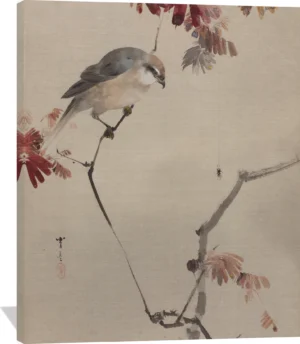
Birds on a Branch
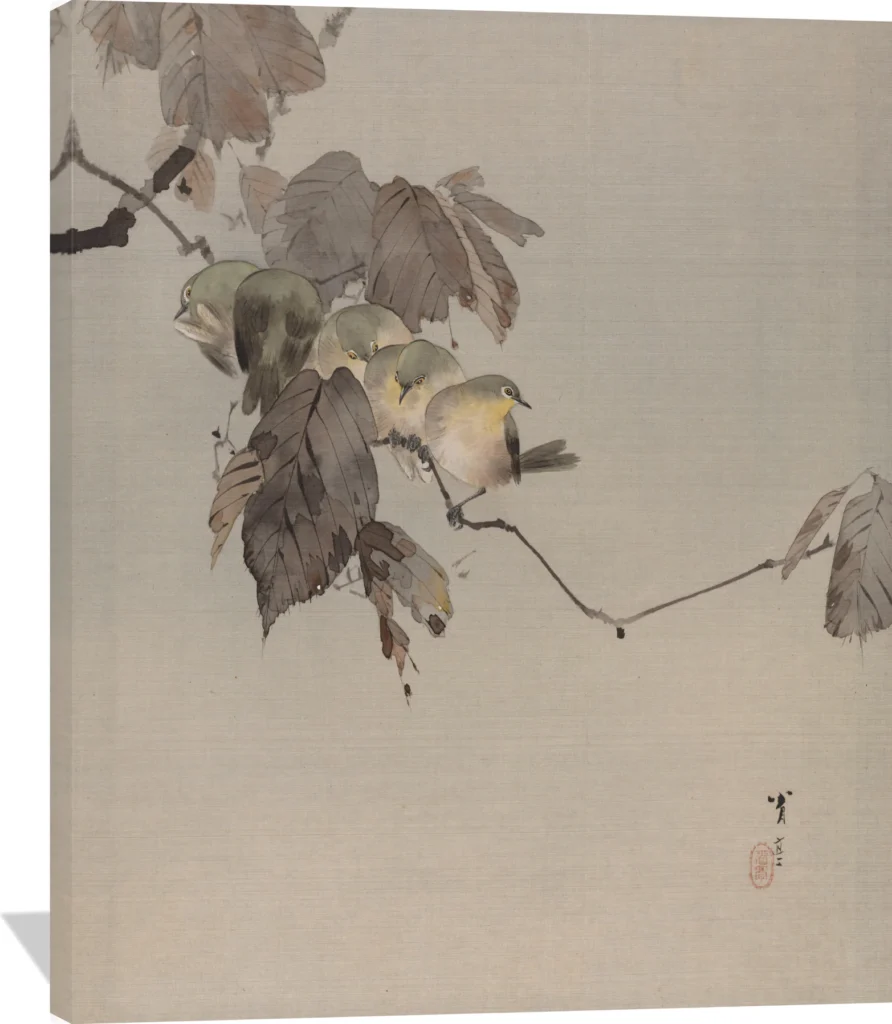
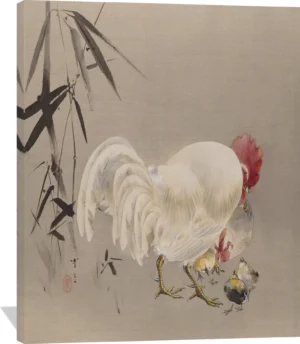
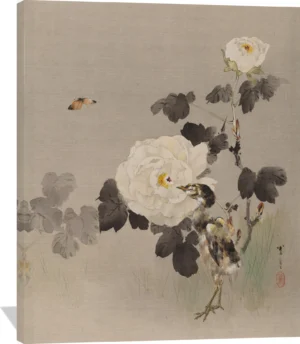
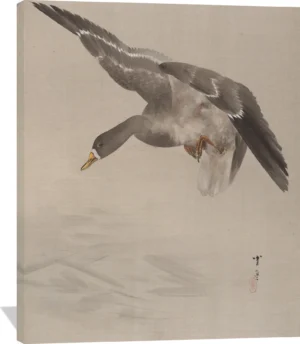
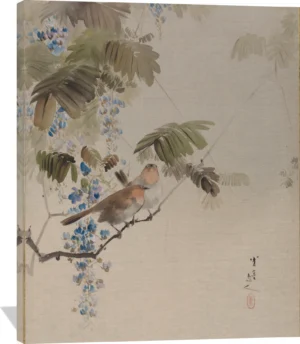
The Watanabe Seitei Birds on a Branch canvas captures a serene moment of nature with exquisite Japanese elegance. Soft tones of sage green, muted gold, and warm brown unfold across delicate brushwork, evoking calm and balance. The composition’s gentle asymmetry and airy background create a sense of quiet movement and refined simplicity.
This timeless wall art brings a touch of contemplative beauty to any space—perfect for a living room, study, or entryway. A masterful example of Seitei’s 19th-century artistry, this canvas print invites harmony and grace into modern interiors while celebrating the enduring poetry of nature.
Watanabe Seitei (Japanese, 1851–1918) was a pivotal figure in the evolution of modern Japanese painting, celebrated for his elegant fusion of traditional aesthetics with a refined naturalism that resonated both in Japan and abroad.
Artistic Style and Approach
Seitei is best known for his luminous kachōga, or bird-and-flower paintings, which combine meticulous observation with atmospheric delicacy. His works balance classical Japanese techniques with subtle Western influences, resulting in compositions that feel both timeless and fresh. This distinctive blend made him a leading voice in the Meiji-era effort to modernize Japanese art without sacrificing its poetic essence.
Subjects and Themes
Nature was Seitei’s enduring muse. He depicted birds, blossoms, foliage, and seasonal moments with exceptional sensitivity, often capturing fleeting gestures a wing in motion, a branch trembling with life. His illustrations and woodblock prints show a masterful command of line and color, revealing a deep reverence for the natural world.
Legacy and Significance
As one of the first Japanese painters to exhibit in Europe, Seitei introduced international audiences to a modern interpretation of Nihonga. His influence extended through his publications and designs, which helped define a new artistic vocabulary grounded in tradition yet open to global exchange. Today, his work is admired for its serenity, precision, and the subtle vitality that marks him as a key innovator of modern Japanese painting.
Trust & policies
- 🚚 Free worldwide shipping
- 🔁 30-day returns (change of mind)
- 🛡️ If damaged/defective/misprinted: free replacement or full refund
- 🌍 Printed in US/CA/EU/UK/AU (based on delivery location)
- 💎 Made to order using acid-free, fade-resistant canvas
- 💎 Solid wood stretcher bars • Pine floating frames
- 🪝 Ready to hang

John F. Kensett
George Augustus Baker Jr.Canvas from
142,00 leiSelect options This product has multiple variants. The options may be chosen on the product pageLake of Orta
J. Carroll BeckwithCanvas from
142,00 leiSelect options This product has multiple variants. The options may be chosen on the product pageThe Pipe Dance
Ralph Albert BlakelockCanvas from
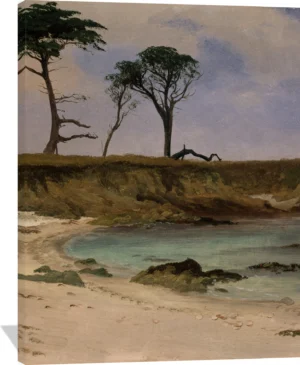
222,00 leiSelect options This product has multiple variants. The options may be chosen on the product pageSea Cove
Albert BierstadtCanvas from
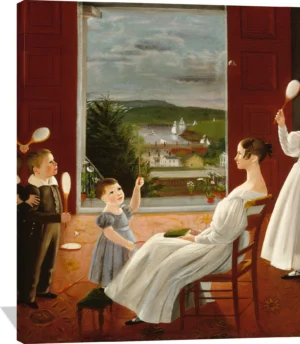
147,00 leiSelect options This product has multiple variants. The options may be chosen on the product pageThe Children of Nathan Starr
Ambrose AndrewsCanvas from
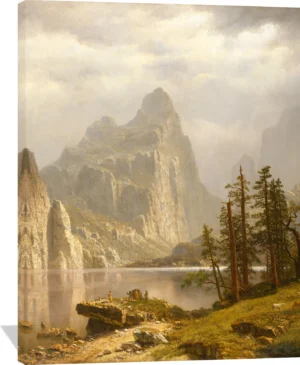
142,00 leiSelect options This product has multiple variants. The options may be chosen on the product pageMerced River, Yosemite Valley
Albert BierstadtCanvas from
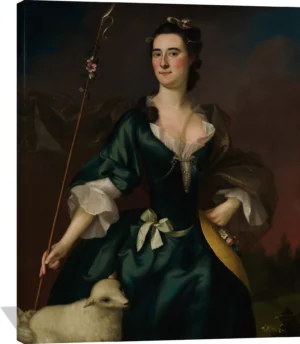
147,00 leiSelect options This product has multiple variants. The options may be chosen on the product pageMary Sylvester
Joseph BlackburnCanvas from
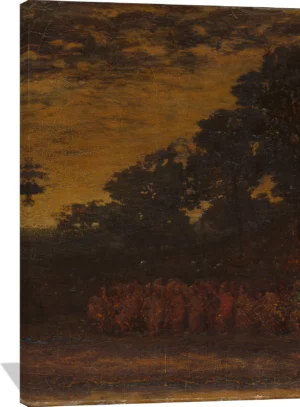
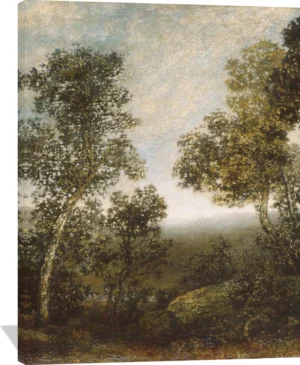
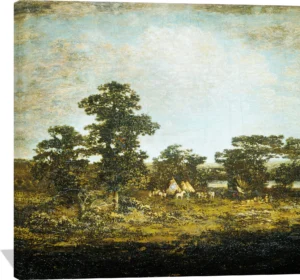
142,00 leiSelect options This product has multiple variants. The options may be chosen on the product pageLandscape
Ralph Albert BlakelockCanvas from
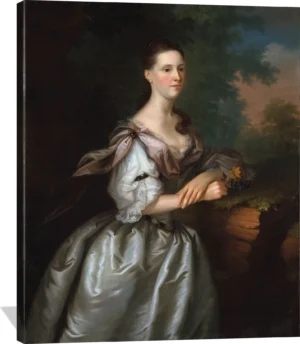
147,00 leiSelect options This product has multiple variants. The options may be chosen on the product pageMrs. Samuel Cutts
Joseph BlackburnCanvas from
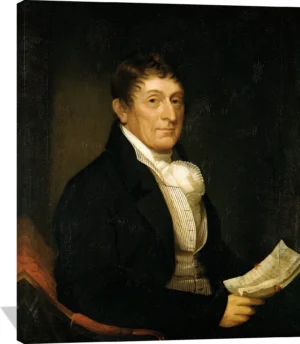
142,00 leiSelect options This product has multiple variants. The options may be chosen on the product pagePhilip Van Cortlandt
Ezra AmesCanvas from
142,00 leiSelect options This product has multiple variants. The options may be chosen on the product pageAn Indian Encampment
Ralph Albert BlakelockCanvas from
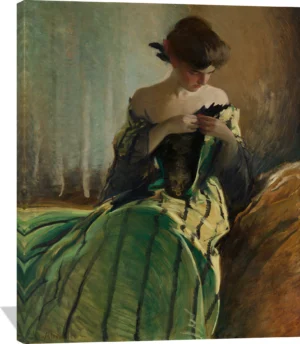
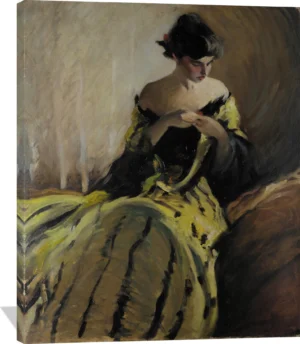
195,00 leiSelect options This product has multiple variants. The options may be chosen on the product pageStudy in Green and Black
John White AlexanderCanvas from
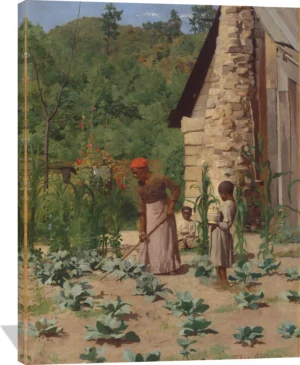
142,00 leiSelect options This product has multiple variants. The options may be chosen on the product pageThe Way They Live
Thomas AnshutzCanvas from
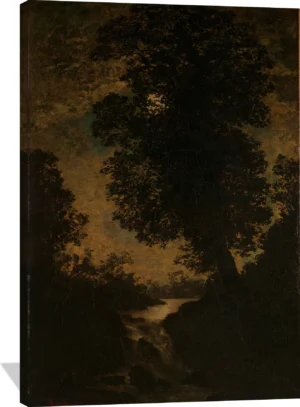
147,00 leiSelect options This product has multiple variants. The options may be chosen on the product pageA Waterfall, Moonlight
Ralph Albert BlakelockCanvas from
222,00 leiSelect options This product has multiple variants. The options may be chosen on the product pageWalt Whitman
John White AlexanderCanvas from
142,00 leiSelect options This product has multiple variants. The options may be chosen on the product pageEmma Homan
John BradleyCanvas from
142,00 leiSelect options This product has multiple variants. The options may be chosen on the product pageEleanor Hardy Bunker
Dennis Miller BunkerCanvas from
142,00 leiSelect options This product has multiple variants. The options may be chosen on the product pageCorn Husking
David Gilmour BlytheCanvas from
147,00 leiSelect options This product has multiple variants. The options may be chosen on the product pageJanet Halleck Drake
Henry InmanCanvas from
142,00 leiSelect options This product has multiple variants. The options may be chosen on the product pageMountain Scene
Albert BierstadtCanvas from
147,00 leiSelect options This product has multiple variants. The options may be chosen on the product pageSamuel Cutts
Joseph BlackburnCanvas from
142,00 leiSelect options This product has multiple variants. The options may be chosen on the product pageMeditation
John George BrownCanvas from
142,00 leiSelect options This product has multiple variants. The options may be chosen on the product page
Explore Watanabe Seitei
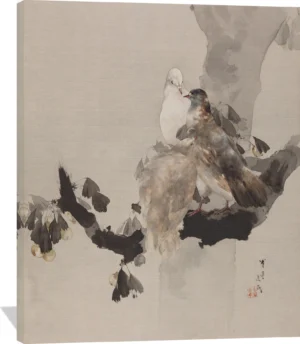
Pigeons in a Tree
Watanabe SeiteiCanvas from
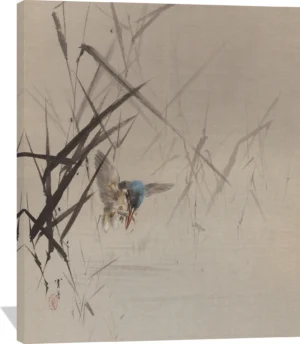
142,00 leiSelect options This product has multiple variants. The options may be chosen on the product pageBird Catching Fish Among Reeds
Watanabe SeiteiCanvas from
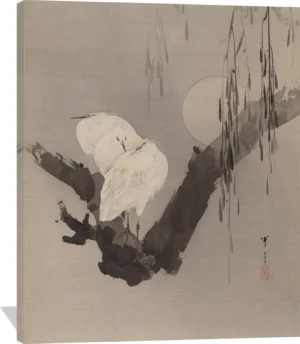
142,00 leiSelect options This product has multiple variants. The options may be chosen on the product pageEgrets in a Tree at Night
Watanabe SeiteiCanvas from
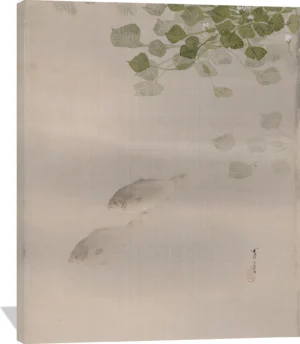
142,00 leiSelect options This product has multiple variants. The options may be chosen on the product pageFishes
Watanabe SeiteiCanvas from
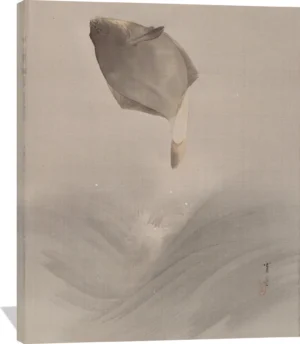
142,00 leiSelect options This product has multiple variants. The options may be chosen on the product pageJumping fish
Watanabe SeiteiCanvas from
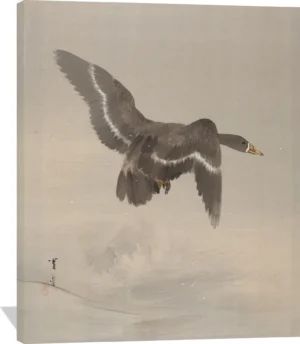
142,00 leiSelect options This product has multiple variants. The options may be chosen on the product pageFlying Goose
Watanabe SeiteiCanvas from
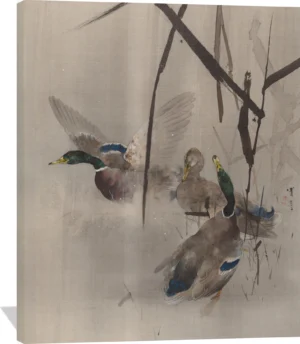
142,00 leiSelect options This product has multiple variants. The options may be chosen on the product pageDucks in the Rushes
Watanabe SeiteiCanvas from
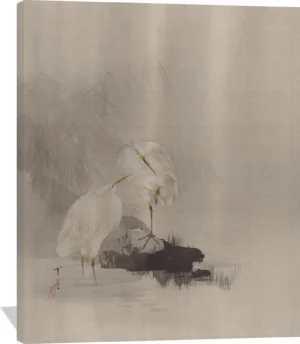
142,00 leiSelect options This product has multiple variants. The options may be chosen on the product pageEgrets at the Water’s Edge
Watanabe SeiteiCanvas from
142,00 leiSelect options This product has multiple variants. The options may be chosen on the product pageRooster and Hen with Chicks
Watanabe SeiteiCanvas from
142,00 leiSelect options This product has multiple variants. The options may be chosen on the product pageRoses, Young Bird and a Butterfly
Watanabe SeiteiCanvas from
142,00 leiSelect options This product has multiple variants. The options may be chosen on the product pageBird on Branch Watching Spider
Watanabe SeiteiCanvas from
142,00 leiSelect options This product has multiple variants. The options may be chosen on the product pageDuck
Watanabe SeiteiCanvas from
142,00 leiSelect options This product has multiple variants. The options may be chosen on the product pageBirds and Flowers
Watanabe SeiteiCanvas from
142,00 leiSelect options This product has multiple variants. The options may be chosen on the product pageSparrows Flying
Watanabe SeiteiCanvas from
142,00 leiSelect options This product has multiple variants. The options may be chosen on the product pageBirds on a Flowering Branch
Watanabe SeiteiCanvas from
142,00 leiSelect options This product has multiple variants. The options may be chosen on the product page
Explore Animals
The Black Horse
John AthertonCanvas from
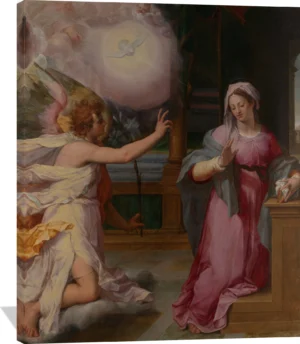
147,00 leiSelect options This product has multiple variants. The options may be chosen on the product pageThe Annunciation
Peter Candid (Pieter de Witte, Pietro Candido)Canvas from
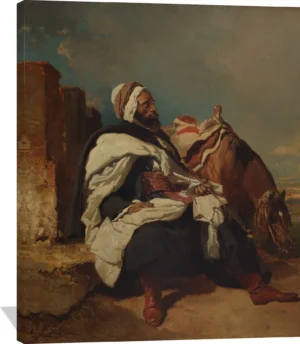
142,00 leiSelect options This product has multiple variants. The options may be chosen on the product pageSeated Arab Man with Horse
Alfred DedreuxCanvas from
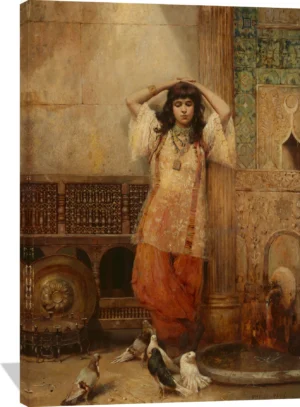
142,00 leiSelect options This product has multiple variants. The options may be chosen on the product pageGirl in a Courtyard, Algiers (formerly Courtyard in Tangier)
Philippe PavyCanvas from
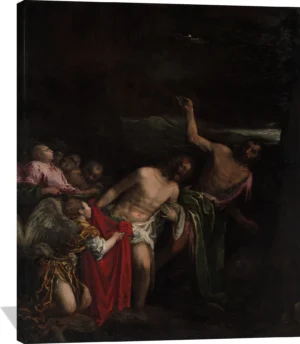
222,00 leiSelect options This product has multiple variants. The options may be chosen on the product pageThe Baptism of Christ
Jacopo Bassano (Jacopo da Ponte)Canvas from
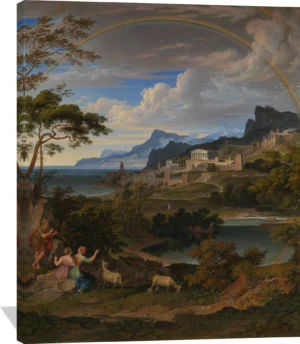
142,00 leiSelect options This product has multiple variants. The options may be chosen on the product pageHeroic Landscape with Rainbow
Joseph Anton KochCanvas from
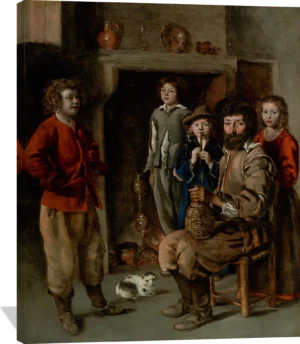
142,00 leiSelect options This product has multiple variants. The options may be chosen on the product pageA Peasant Family
Antoine Le NainCanvas from
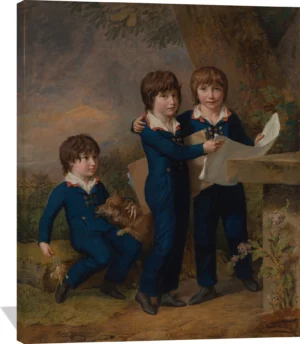
142,00 leiSelect options This product has multiple variants. The options may be chosen on the product pageThe Children of Martin Anton Heckscher: Johann Gustav Wilhelm Moritz (1797–1865), Carl Martin Adolph (1796–1850), and Leopold (born 1792)
Johann Heinrich Wilhelm TischbeinCanvas from
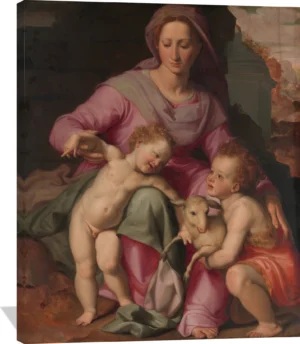
142,00 leiSelect options This product has multiple variants. The options may be chosen on the product pageMadonna and Child with the Infant Saint John the Baptist
Santi di TitoCanvas from
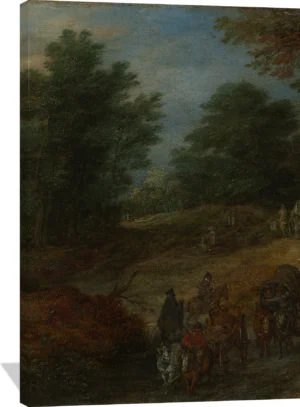
142,00 leiSelect options This product has multiple variants. The options may be chosen on the product pageLandscape with Travelers on a Woodland Path
Jan Brueghel the ElderCanvas from
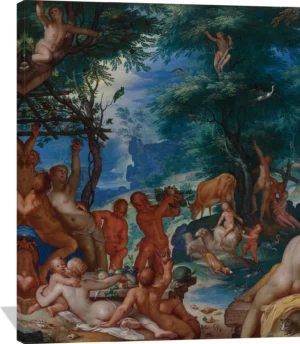
222,00 leiSelect options This product has multiple variants. The options may be chosen on the product pageThe Golden Age
Joachim WtewaelCanvas from
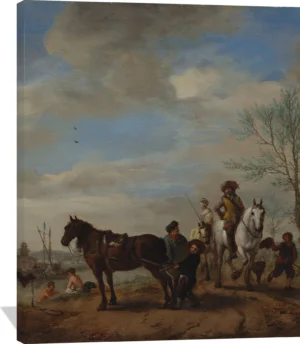
142,00 leiSelect options This product has multiple variants. The options may be chosen on the product pageA Man and a Woman on Horseback
Philips WouwermanCanvas from
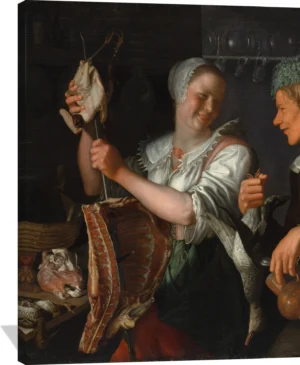
142,00 leiSelect options This product has multiple variants. The options may be chosen on the product pageKitchen Scene
Peter WtewaelCanvas from
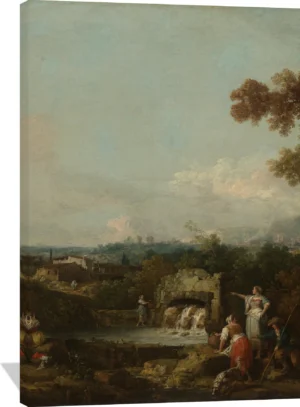
147,00 leiSelect options This product has multiple variants. The options may be chosen on the product pageLandscape with Peasants at a Fountain
Francesco ZuccarelliCanvas from
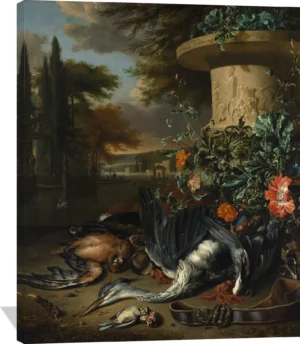
222,00 leiSelect options This product has multiple variants. The options may be chosen on the product pageGamepiece with a Dead Heron
Jan WeenixCanvas from
142,00 leiSelect options This product has multiple variants. The options may be chosen on the product pageThe Pigeon House
Roelof van VriesCanvas from
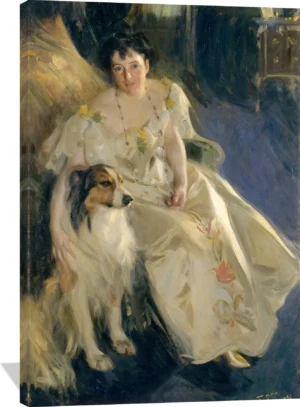
142,00 leiSelect options This product has multiple variants. The options may be chosen on the product pageMrs. Walter Rathbone Bacon (Virginia Purdy Barker, 1862–1919)
Anders ZornCanvas from
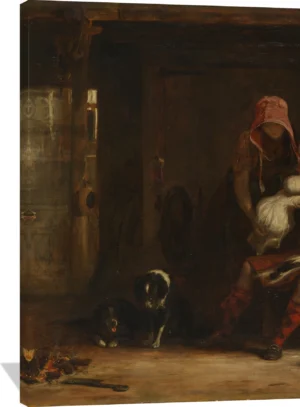
222,00 leiSelect options This product has multiple variants. The options may be chosen on the product pageThe Highland Family
Sir David WilkieCanvas from
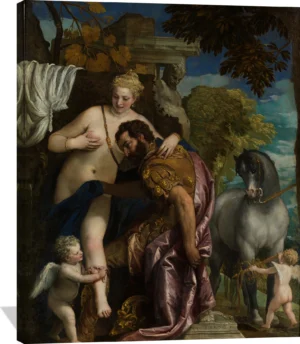
222,00 leiSelect options This product has multiple variants. The options may be chosen on the product pageMars and Venus United by Love
Paolo Veronese (Paolo Caliari)Canvas from
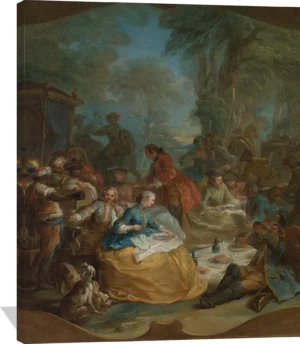
142,00 leiSelect options This product has multiple variants. The options may be chosen on the product pageHalt of the Hunt
Carle (Charles André) VanlooCanvas from
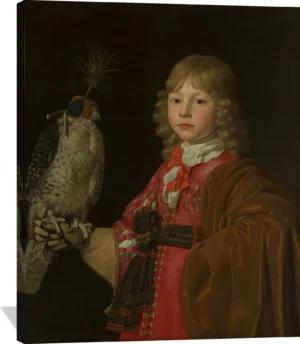
142,00 leiSelect options This product has multiple variants. The options may be chosen on the product pagePortrait of a Boy with a Falcon
Wallerant VaillantCanvas from
142,00 leiSelect options This product has multiple variants. The options may be chosen on the product page
Explore Aesthetic
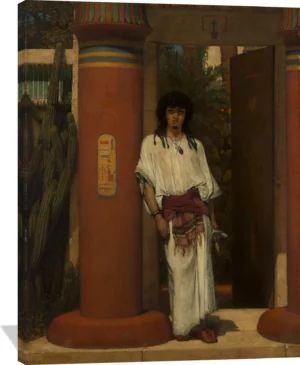
An Egyptian in a Doorway
Sir Lawrence Alma-TademaCanvas from
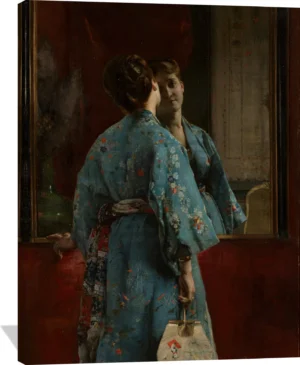
147,00 leiSelect options This product has multiple variants. The options may be chosen on the product pageThe Japanese Robe
Alfred StevensCanvas from
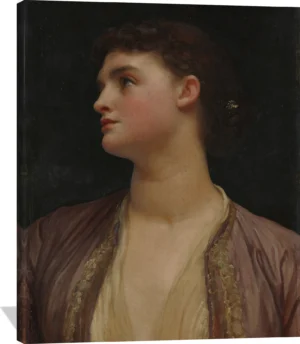
147,00 leiSelect options This product has multiple variants. The options may be chosen on the product pageLucia
Frederic, Lord LeightonCanvas from
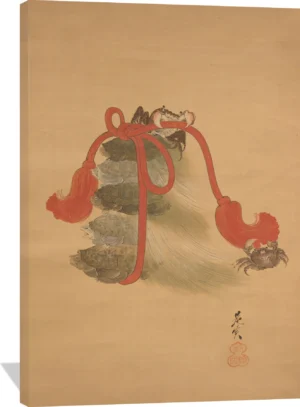
142,00 leiSelect options This product has multiple variants. The options may be chosen on the product pageTortoises and Crabs
Shibata ZeshinCanvas from
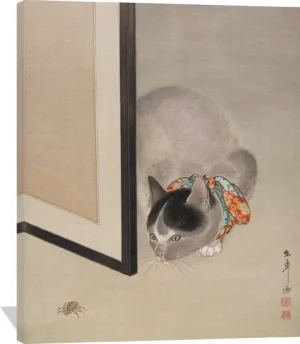
222,00 leiSelect options This product has multiple variants. The options may be chosen on the product pageCat Watching a Spider
Oide TōkōCanvas from
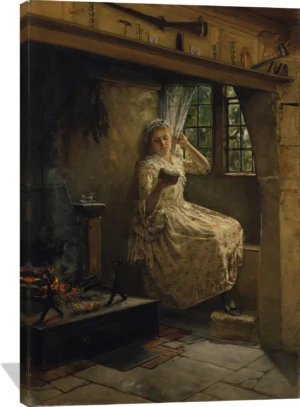
142,00 leiSelect options This product has multiple variants. The options may be chosen on the product pageA Cosey Corner
Frank MilletCanvas from
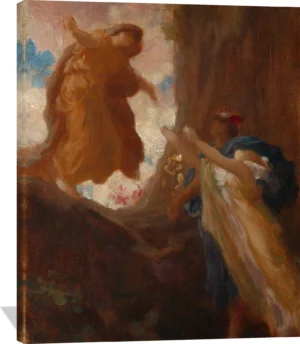
222,00 leiSelect options This product has multiple variants. The options may be chosen on the product pageThe Return of Persephone
Frederic, Lord LeightonCanvas from
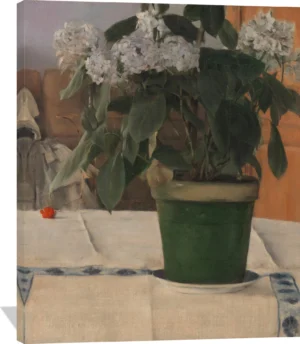
142,00 leiSelect options This product has multiple variants. The options may be chosen on the product pageHortensia
Fernand KhnopffCanvas from
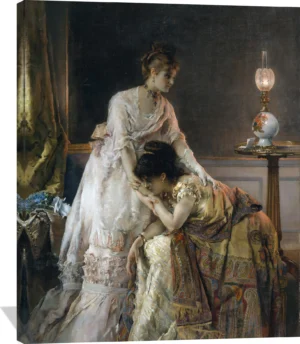
142,00 leiSelect options This product has multiple variants. The options may be chosen on the product pageAfter the Ball
Alfred StevensCanvas from
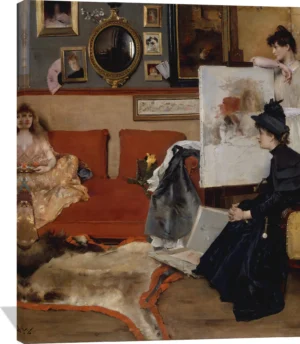
142,00 leiSelect options This product has multiple variants. The options may be chosen on the product pageIn the Studio
Alfred StevensCanvas from
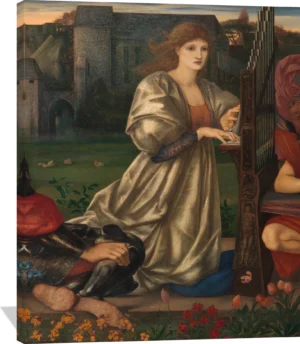
142,00 leiSelect options This product has multiple variants. The options may be chosen on the product pageThe Love Song
Sir Edward Burne-JonesCanvas from
142,00 leiSelect options This product has multiple variants. The options may be chosen on the product pageSchool of Fishes
Seki ShūkōCanvas from
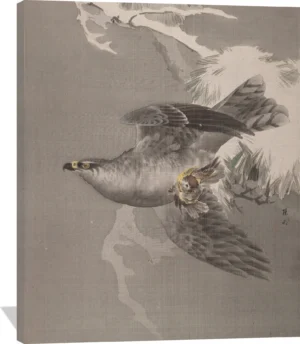
142,00 leiSelect options This product has multiple variants. The options may be chosen on the product pageHawk Holding a Small Bird
Okada BaisonCanvas from
142,00 leiSelect options This product has multiple variants. The options may be chosen on the product pageParody of Murasaki, from “Lavender” (Wakamurasaki), chapter 5 of the Tale of Genji
Kawamata TsuneyukiCanvas from
142,00 leiSelect options This product has multiple variants. The options may be chosen on the product pageArrangement in Black: Girl Reading
James McNeill WhistlerCanvas from
142,00 leiSelect options This product has multiple variants. The options may be chosen on the product pageThe Green Bodice
Julian Alden WeirCanvas from
147,00 leiSelect options This product has multiple variants. The options may be chosen on the product pageThe Cup of Love
Elihu VedderCanvas from
142,00 leiSelect options This product has multiple variants. The options may be chosen on the product pageStudy in Black and Green (Oil Sketch)
John White AlexanderCanvas from
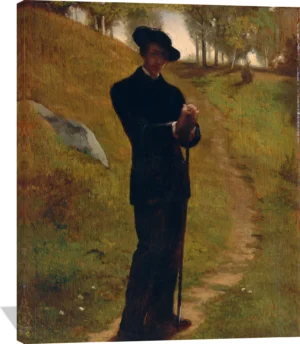
142,00 leiSelect options This product has multiple variants. The options may be chosen on the product pagePortrait of the Painter
John La FargeCanvas from
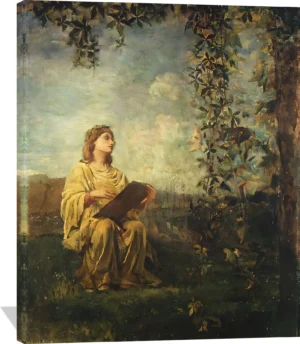
142,00 leiSelect options This product has multiple variants. The options may be chosen on the product pageThe Muse of Painting
John La FargeCanvas from
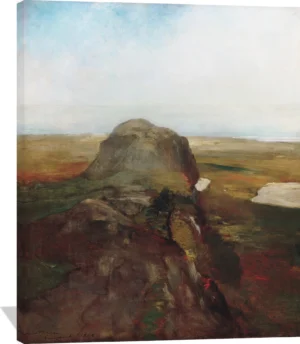
142,00 leiSelect options This product has multiple variants. The options may be chosen on the product pageAutumn Study, View over Hanging Rock, Newport, R.I.
John La FargeCanvas from
142,00 leiSelect options This product has multiple variants. The options may be chosen on the product page

Explore Mammals
The Start of the Race of the Riderless Horses
Horace VernetCanvas from
142,00 leiSelect options This product has multiple variants. The options may be chosen on the product pageAbraham’s Parting from the Family of Lot
Jan VictorsCanvas from
142,00 leiSelect options This product has multiple variants. The options may be chosen on the product pageGoing to Market
Constant TroyonCanvas from
142,00 leiSelect options This product has multiple variants. The options may be chosen on the product pageSaint Margaret of Cortona
Gaspare TraversiCanvas from
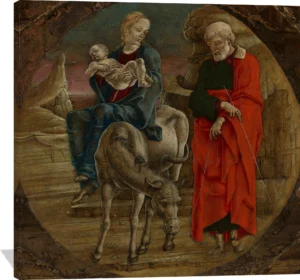
147,00 leiSelect options This product has multiple variants. The options may be chosen on the product pageThe Flight into Egypt
Cosmè Tura (Cosimo di Domenico di Bonaventura)Canvas from
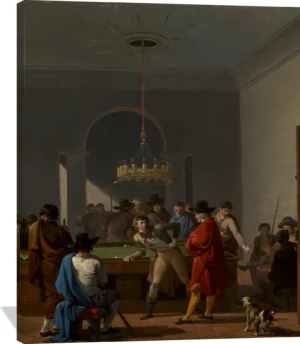
195,00 leiSelect options This product has multiple variants. The options may be chosen on the product pageThe Billiard Room
Nicolas Antoine TaunayCanvas from
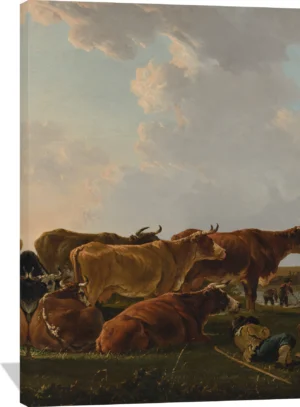
142,00 leiSelect options This product has multiple variants. The options may be chosen on the product pageLandscape with Cattle
Jacob van StrijCanvas from
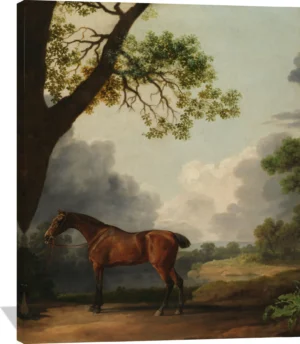
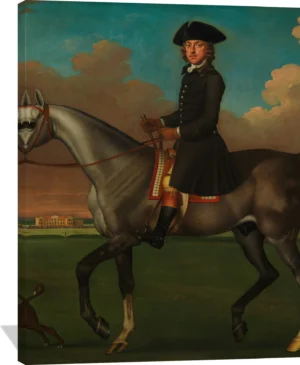
142,00 leiSelect options This product has multiple variants. The options may be chosen on the product pageThe Third Duke of Dorset’s Hunter with a Groom and a Dog
George StubbsCanvas from
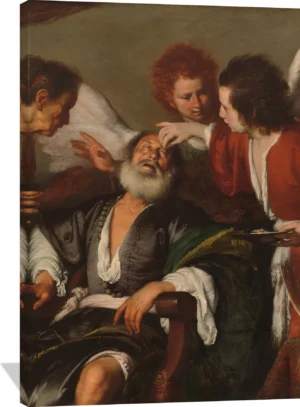
142,00 leiSelect options This product has multiple variants. The options may be chosen on the product pageTobias Curing His Father’s Blindness
Bernardo StrozziCanvas from
222,00 leiSelect options This product has multiple variants. The options may be chosen on the product pagePortrait of a Horseman
James SeymourCanvas from
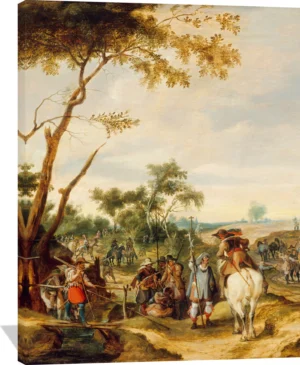
147,00 leiSelect options This product has multiple variants. The options may be chosen on the product pageSoldiers Bivouacking
Pieter SnayersCanvas from
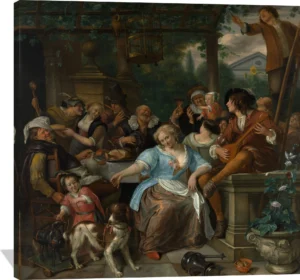
147,00 leiSelect options This product has multiple variants. The options may be chosen on the product pageMerry Company on a Terrace
Jan SteenCanvas from
195,00 leiSelect options This product has multiple variants. The options may be chosen on the product pagePortrait of a Woman
Rolán de MoysCanvas from
142,00 leiSelect options This product has multiple variants. The options may be chosen on the product pageThe Journey of the Magi
Sassetta (Stefano di Giovanni)Canvas from
147,00 leiSelect options This product has multiple variants. The options may be chosen on the product pageRustic Interior
David Ryckaert IIICanvas from
142,00 leiSelect options This product has multiple variants. The options may be chosen on the product pageSir James Dashwood (1715–1779)
Enoch Seeman the YoungerCanvas from
222,00 leiSelect options This product has multiple variants. The options may be chosen on the product pageLost: Souvenir of Auvergne
August Friedrich Albrecht SchenckCanvas from
222,00 leiSelect options This product has multiple variants. The options may be chosen on the product pageMarket by the Seashore
Salomon van RuysdaelCanvas from
222,00 leiSelect options This product has multiple variants. The options may be chosen on the product pagePallas Athena and the Herdsman’s Dogs
Briton RiviereCanvas from
222,00 leiSelect options This product has multiple variants. The options may be chosen on the product pageFishing
Edouard ManetCanvas from
222,00 leiSelect options This product has multiple variants. The options may be chosen on the product pageCopy after Rubens’s “Wolf and Fox Hunt”
Sir Edwin Henry LandseerCanvas from
222,00 leiSelect options This product has multiple variants. The options may be chosen on the product page