Artistic Style
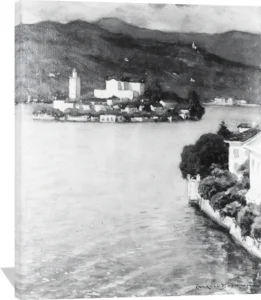
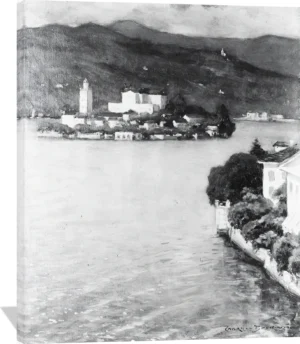
Beckwith’s work is marked by a harmonious balance of realism and painterly elegance. Influenced by his academic training in Paris, he favored controlled brushwork, nuanced color, and subtle modeling of form. His paintings often reveal a quiet sophistication, reflecting both the discipline of European academic tradition and the evolving sensibilities of American modernity.
Subjects and Notable Contributions
Portraiture formed the core of Beckwith’s output. He captured sitters with an attentive eye for character, rendering expressions and posture with restraint rather than embellishment. In addition to portraits, he produced figure studies and occasional genre scenes, many of which display his interest in mood, light, and atmospheric depth.
Beyond his own studio practice, Beckwith played a significant role as an instructor at the Art Students League of New York. His influence helped shape a generation of young American artists, and his dedication to teaching remains one of his most enduring contributions to the nation’s artistic landscape.
Cultural and Historical Significance
Beckwith’s paintings reflect a period when American art was negotiating its identity between European academic foundations and the emerging desire for a distinct national voice. His refined portraits offer a window into the cultural life of his era, portraying individuals with insight and dignity while showcasing the technical mastery valued in his time.
Today, J. Carroll Beckwith is appreciated for his elegant craftsmanship and for the quiet yet influential role he played in shaping American artistic practice during a transformative period in its history.