Artistic Style and Innovation
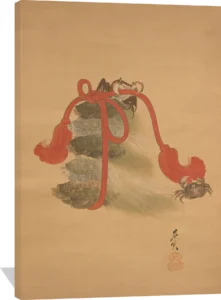
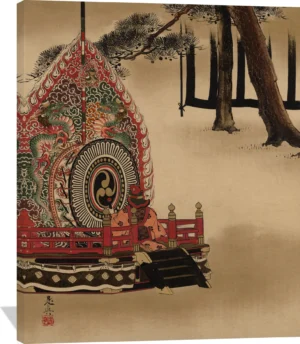
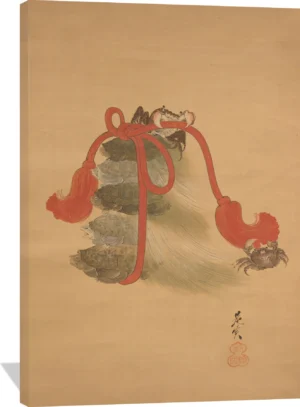
Zeshin is renowned for elevating traditional lacquerwork to new expressive heights. He pioneered techniques that allowed lacquer to mimic materials such as metal, fabric, and stone, giving his works an extraordinary sense of texture and depth. His paintings often integrated lacquer directly onto paper or silk, a groundbreaking approach that blurred the boundaries between mediums. This distinctive fusion of craft and fine art remains one of his most enduring contributions.
Subjects and Themes
Working within the spirit of the Edo and Meiji periods, Zeshin drew inspiration from nature, folklore, and everyday life. He depicted birds, insects, flowers, and seasonal motifs with remarkable sensitivity, balancing delicate forms with striking compositional clarity. Even in small-scale works, Zeshin achieved an elegant harmony that reflected the aesthetic ideals of his time.
Cultural Significance
As Japan transitioned from the Edo era to the modernizing Meiji era, Zeshin became a key figure representing the continuity of traditional craftsmanship. His mastery of lacquer recognized as a pinnacle of Japanese decorative arts made him an influential ambassador of Japanese aesthetics both domestically and abroad. Through his technical mastery and creative vision, he helped define the visual language of a changing nation.
Legacy
Today, Zeshin is celebrated as one of the most important lacquer artists in history. His works exemplify a rare combination of innovation, precision, and artistic poetry. Collectors and museums value his creations not only for their technical brilliance but also for their quiet beauty and timeless refinement. Zeshin’s legacy endures as a touchstone for craftsmanship and artistic ingenuity.