Artistic Style and Approach
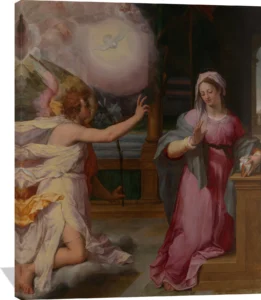
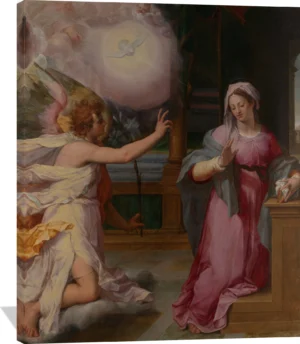
Candid’s work is distinguished by its refined draftsmanship, luminous color, and elegant compositions. His style reflects the influence of the Florentine and Roman schools, enriched by the detailed observational habits of Northern European painting. This fusion allowed him to create images of striking clarity and sophistication, marked by a balance of emotional intensity and courtly poise.
Notable Contributions
As a court painter in Munich, Candid played a central role in shaping the visual culture of the Bavarian court during the late sixteenth and early seventeenth centuries. He contributed extensively to fresco cycles, altarpieces, and tapestry designs, bringing a distinctly international sensibility to the region. His work for the Munich Residenz, particularly its grand decorative programs, remains one of his most enduring achievements.
Subjects and Themes
Candid excelled in religious narratives, mythological scenes, and richly staged allegories. His figures display graceful movement and finely rendered emotion, set within architectural or landscape settings that reveal his mastery of spatial harmony. Whether illustrating dramatic biblical events or serene devotional subjects, he conveyed a sense of narrative clarity and visual harmony that defined his mature work.
Legacy and Significance
Remembered as a pivotal artistic mediator between North and South, Candid brought together the expressive possibilities of Mannerism with the polished technique of Northern Renaissance tradition. His versatility, international training, and ability to adapt across media secured his status as one of the most influential artists of the Bavarian court. Today, his paintings and designs continue to be appreciated for their elegance, technical mastery, and cross-cultural artistic vision.