Artistic Style
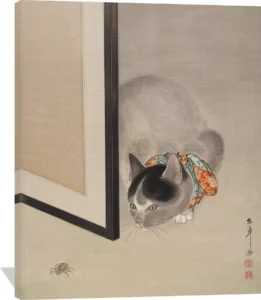
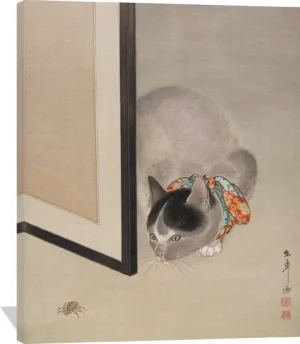
Tōkō worked primarily within the Nihonga tradition, valuing delicate brushwork, mineral pigments, and a harmonious balance of line and color. His compositions are marked by a serene clarity, with carefully modulated tones and an emphasis on atmospheric depth. This disciplined yet lyrical technique positioned him as a respected figure in sustaining the elegance of pre‑modern Japanese painting as Western influences grew.
Subjects and Themes
He is known for subjects drawn from nature, classical literature, and historical motifs. Landscapes, seasonal scenes, and poetic natural details appear frequently in his work, rendered with an understated emotional resonance. Tōkō’s paintings often evoke a contemplative mood, inviting viewers to appreciate the subtle beauty of everyday phenomena.
Cultural Significance
Working during a transformative moment in Japan’s artistic history, Tōkō contributed to the continuity of classical methods while helping shape their adaptation for a modern audience. His dedication to traditional training and materials exemplified a commitment to cultural preservation, making him a valued link between established schools of painting and the emerging Meiji‑era identity.
Oide Tōkō’s artistry endures for its gentle sophistication, technical purity, and ability to capture both the visible world and the quiet sensibilities underlying it.