Artwork by Joseph Blackburn

Joseph Blackburn (active 1752–ca. 1778) was an English-born portraitist whose refined technique helped shape the visual identity of colonial America. Known for his elegant handling of fabrics and poised, graceful sitters, Blackburn produced some of the most polished portraits of the mid‑18th century.

More about Joseph Blackburn

Products

Showing all 4 results

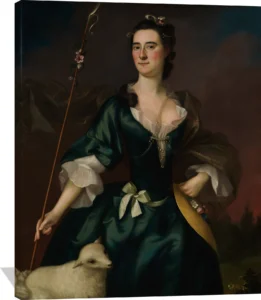
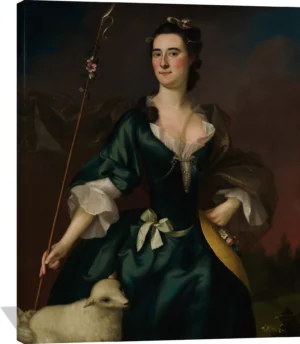
  • Mary Sylvester by Joseph Blackburn, canvas print

    Mary Sylvester

    Joseph Blackburn

    Canvas from

    $44.00

    The Joseph Blackburn Mary Sylvester canvas captures the refined grace of 18th-century portraiture with luminous detail and poise. Draped in rich emerald tones with soft ivory accents, the subject’s calm confidence and the gentle presence of a lamb evoke serenity and elegance. Subtle rose and gold hues in the background lend warmth and depth to…

    Select optionsLoading Done This product has multiple variants. The options may be chosen on the product page
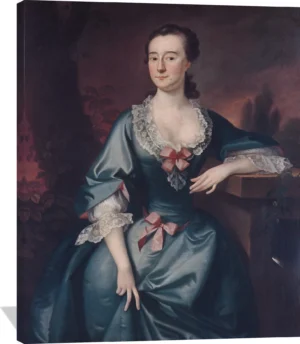
  • Mrs. David Chesebrough by Joseph Blackburn, canvas print

    Mrs. David Chesebrough

    Joseph Blackburn

    Canvas from

    $44.00

    The Joseph Blackburn Mrs. David Chesebrough canvas captures the refined elegance of 18th‑century portraiture. Rendered in Blackburn’s graceful style, the composition features a poised sitter in lustrous teal satin, accented by soft lace and rose‑pink ribbons. Warm tones of mauve, ivory, and deep shadow create a serene yet dignified atmosphere that draws the viewer in….

    Select optionsLoading Done This product has multiple variants. The options may be chosen on the product page
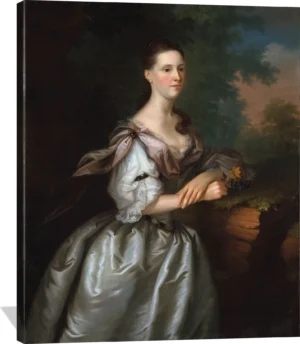
  • Mrs. Samuel Cutts by Joseph Blackburn, canvas print

    Mrs. Samuel Cutts

    Joseph Blackburn

    Canvas from

    $44.00

    The Joseph Blackburn Mrs. Samuel Cutts canvas captures 18th-century elegance with luminous detail and refined grace. Rendered in soft silvers, muted mauves, and gentle greens, this portrait radiates poise against a tranquil garden backdrop. Blackburn’s masterful brushwork and delicate use of light bring timeless sophistication to any modern interior. This premium canvas print evokes the…

    Select optionsLoading Done This product has multiple variants. The options may be chosen on the product page
  • Samuel Cutts by Joseph Blackburn, canvas print

    Samuel Cutts

    Joseph Blackburn

    Canvas from

    $44.00

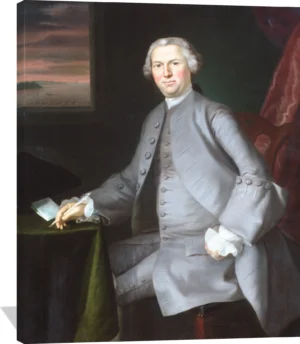
    The Joseph Blackburn Samuel Cutts canvas captures the refined elegance of 18th-century portraiture with remarkable grace. Rendered in soft grays, muted greens, and warm flesh tones, this dignified composition conveys poise and intellect through subtle light and texture. The sitter’s composed expression and tailored attire evoke a timeless sense of sophistication and presence. This exquisite…

    Select optionsLoading Done This product has multiple variants. The options may be chosen on the product page

Showing 4 of 4 products

About Joseph Blackburn

Artistic Style

Blackburn’s work is distinguished by its smooth surfaces, delicate coloration, and highly finished renderings of silk, lace, and jewelry. His portraits often highlight the social stature of his subjects, using sumptuous textures and refined compositions to convey sophistication and presence.

Subjects and Contributions

Specializing in portraits of prominent families in New England and the Caribbean, Blackburn captured the rising colonial elite with an attention to costume and demeanor that set a new standard for local painters. His skill in depicting luxurious textiles became a hallmark of his practice and influenced younger artists of the period, including John Singleton Copley.

Cultural Significance

As one of the few highly trained European painters working in America before the Revolution, Blackburn played a pivotal role in elevating colonial portraiture. His work provides a vivid record of 18th‑century fashion, identity, and aspiration, offering insight into a culture on the cusp of transformation. Today, his portraits are valued for their craftsmanship and for their contribution to the development of early American art.