Artistic Style and Approach
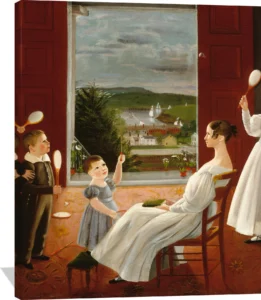
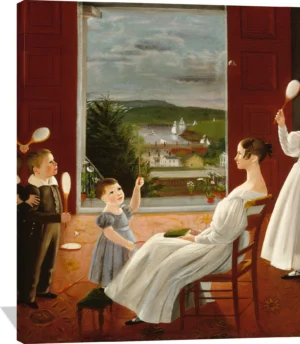
Andrews developed a refined portrait style characterized by crisp detailing, carefully modulated color, and a balanced sense of composition. His paintings often reveal a quiet directness, combining realistic observation with the subtle idealization typical of American portraiture before the advent of photography. He frequently incorporated domestic interiors and symbolic objects, giving his works a narrative depth that set them apart from more conventional likenesses of the period.
Subjects and Notable Contributions
Best known for his portraits of families, children, and community figures, Andrews had a particular talent for dual or group portraits that conveyed the relationships between his sitters. Works such as the celebrated Double Portrait of Mr. and Mrs. Elisha Swift demonstrate his ability to create harmony between two distinctive personalities within a single pictorial space. His attention to gesture and gaze brought an intimate immediacy to these compositions, contributing to the broader development of American folk and academic portrait traditions.
Cultural and Historical Significance
Andrews’s career spanned a transformative moment in American art, from itinerant portrait painting to the rise of photography. His work preserves an invaluable visual record of everyday citizens during a period of social and economic change. Although he never achieved national fame in his lifetime, his paintings now hold significance for their authenticity, their regional character, and their contribution to the evolving visual identity of nineteenth‑century America.
Today, Ambrose Andrews is recognized for his distinctive portrait sensibility and his role in shaping the visual heritage of early America. His paintings continue to resonate for their craftsmanship, quiet intimacy, and enduring historical relevance.