Artistic Style
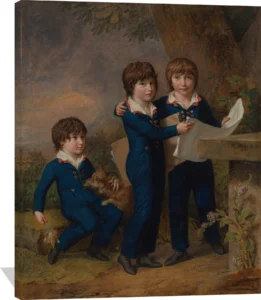
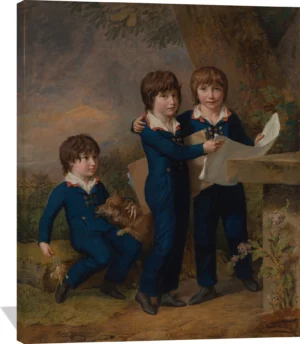
Tischbein’s work is defined by balanced compositions, harmonious proportions, and a disciplined yet lyrical approach to the human figure. His embrace of Neoclassicism is evident in the calm precision of his lines and the measured elegance of his subjects, while his sensitivity to atmosphere reflects a deep engagement with classical antiquity and the Italian landscape.
Notable Contributions
Often referred to as the “Goethe-Tischbein,” he is best known for his iconic portrait Goethe in the Roman Campagna, a masterpiece that captures both the intellectual spirit of its sitter and the timeless allure of Italy. Through such works, Tischbein helped shape the visual identity of Germany’s late Enlightenment era, portraying leading cultural figures with a heightened sense of introspection and dignity.
Subjects and Significance
Tischbein painted portraits, mythological scenes, and historical themes, infusing each with a refined clarity that became his hallmark. His depictions of writers, thinkers, and aristocrats convey the aspirations of an age that valued reason, beauty, and the revival of classical ideals. His paintings remain significant for their role in articulating the visual language of the Neoclassical movement and for their contribution to the cultural dialogue between Germany and Italy.
Enduring Legacy
Today, Tischbein is remembered for his ability to merge intellectual depth with visual grace. His best works embody a distinctive poetic restraint, offering viewers an enduring glimpse into the artistic and cultural currents of late eighteenth-century Europe. Through his portraits and narrative scenes, he secured a lasting place among the influential painters of his era.