Artistic Style and Approach
Bunker’s early works reflect the disciplined precision of European academic training, yet he soon gravitated toward a more luminous, expressive handling of paint. His mature style is marked by vibrant brushwork, nuanced tonal shifts, and a keen sensitivity to natural light. This fusion of realism and Impressionist technique became a defining hallmark of his artistic voice.
Notable Themes and Subjects
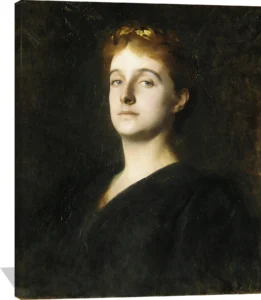
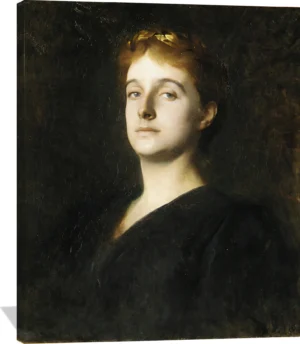
Bunker is celebrated for his evocative landscapes and intimate figure studies. His scenes of New England fields, rivers, and gardens capture the fleeting qualities of sunlight and seasonal change, often rendered with a quiet emotional resonance. Works such as Meadow Lands and The Pool, Medfield exemplify his ability to convey atmosphere with both accuracy and poetic subtlety. In portraiture, he demonstrated exceptional skill in revealing psychological depth through restrained composition and carefully modulated light.
Legacy and Significance
Despite his short life, Bunker left a lasting mark on American art. His collaboration and friendship with artists in the emerging American Impressionist movement, including John Singer Sargent, helped shape the direction of late nineteenth-century painting in the United States. His canvases remain admired for their clarity, sensitivity, and masterful interplay of form and light. Today, Bunker is recognized as a pivotal figure whose work embodies the transition from academic tradition to the more modern, light-filled aesthetics of Impressionism.