Artistic Style
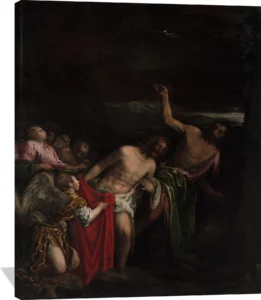
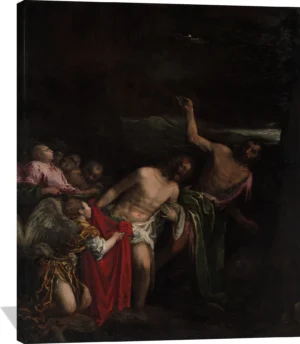
Bassano’s work is defined by luminous color, energetic brushwork, and an inventive blending of Venetian elegance with rustic, pastoral detail. He drew inspiration from the Venetian masters while forging a unique approach that emphasized dramatic lighting and emotionally charged compositions. His ability to integrate landscape, figure, and still-life elements made his paintings feel both grounded and deeply atmospheric.
Signature Subjects
He is particularly known for religious scenes that incorporate everyday rural life. Biblical narratives such as The Adoration of the Shepherds or The Last Supper often unfold amid countryside settings populated with animals, humble objects, and natural textures rendered with remarkable specificity. This fusion of sacred storytelling with familiar surroundings became a hallmark of his art and set him apart from his contemporaries.
Notable Contributions
Bassano played a crucial role in expanding the possibilities of genre painting during the Renaissance. His inclusion of rural motifs and expressive animal studies helped bridge the gap between devotional imagery and daily experience. He was also an early adopter of nocturnal scenes, using bold contrasts of light and shadow to heighten drama and mood. His workshop, managed collaboratively with his sons, became a flourishing center that spread his influence widely.
Legacy
Esteemed for his originality and technical mastery, Jacopo Bassano left a lasting impact on both Venetian painting and the evolution of genre subjects in European art. His work remains admired for its warmth, humanity, and the subtle yet powerful ways it connects the sacred with the lived world. Today he is remembered as a painter of exceptional sensitivity whose art reflects the richness of rural life and the expressive potential of color and light.