Artistic Style and Approach
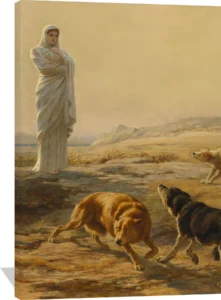
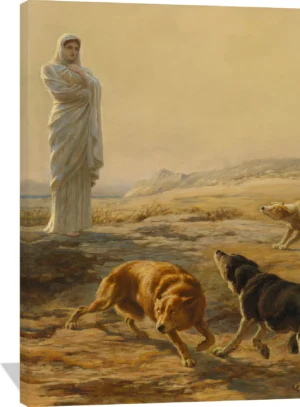
Riviere’s paintings are characterized by refined realism, subtle dramatic tension, and a deep understanding of animal anatomy and behavior. His meticulous technique allowed him to blend naturalistic detail with expressive storytelling, creating works that feel both intimate and theatrically composed. Often working in oil, he embraced rich coloration and carefully observed lighting to heighten the emotional impact of each scene.
Notable Themes and Subjects
While he produced portraits and historical subjects, Riviere is best known for paintings centered on animals particularly dogs portrayed with striking dignity and emotional presence. Works such as Requiescat and Sympathy exemplify his ability to convey complex sentiment through posture, gaze, and atmosphere. His animal subjects frequently interact with human narratives, resulting in scenes that explore loyalty, solitude, courage, and companionship.
Legacy and Significance
As a prominent figure in late Victorian art, Riviere contributed meaningfully to the era’s fascination with narrative realism. His skill in capturing the inner life of animals set him apart, influencing later generations of painters who sought to portray animals as expressive beings rather than mere accessories to human stories. His work remains celebrated for its blend of technical mastery and emotional storytelling, securing his place as a leading interpreter of animal symbolism in British art.