Artistic Style
Wtewael’s paintings are known for their vivid palette, polished surfaces, and carefully orchestrated compositions. He often explored complex spatial arrangements and expressive figural poses, creating works that balance dramatic narrative with a sense of courtly grace. His style reveals a sophisticated understanding of light and texture, bringing vitality to scenes drawn from mythology, religion, and everyday life.
Subjects and Themes
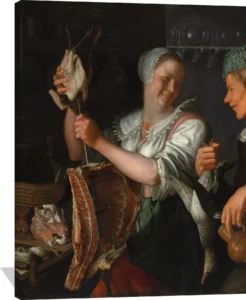
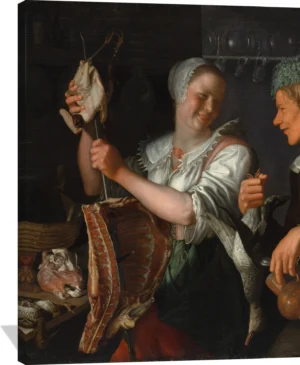
His subjects range from intimate genre scenes to mythological allegories, frequently infused with subtle wit and symbolic detail. Wtewael’s interest in human expression and gesture lends emotional nuance to his work, while his attentive rendering of fabric, skin, and still-life elements underscores his technical mastery. When depicting stories from antiquity, he transformed familiar tales into visually sumptuous tableaux, elevating them with a distinctive sense of theatricality.
Legacy and Significance
As a prominent figure in Utrecht’s artistic milieu, Peter Wtewael contributed to the evolution of Dutch painting during a period of stylistic transition. His ability to merge the dramatic innovations of Caravaggism with the ornamental qualities of late Mannerism resulted in a body of work that remains admired for its richness and refinement. Today, Wtewael is recognized for maintaining the family’s artistic legacy while forging a voice uniquely his own.