Artistic Style
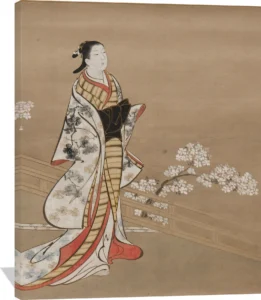
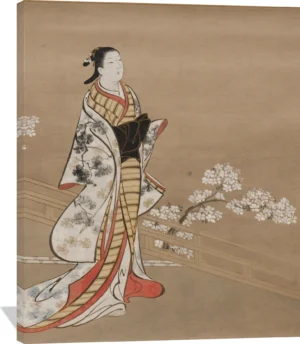
Tsuneyuki’s work is recognized for its refined linework, balanced compositions, and graceful figures. His approach emphasized clarity and elegance, blending the subtle sensibilities of classical Yamato-e painting with the lively energy that would come to define ukiyo-e. Many of his surviving works display a focus on harmonious silhouettes, intricate garment patterns, and a gentle yet expressive handling of facial features.
Subjects and Themes
He is best known for portraits of women, actors, and scenes drawn from the pleasure districts of Edo. These images capture both the sophistication and everyday vitality of urban life, depicting courtesans, entertainers, and fashionable townspeople with attentive detail. In addition to figure studies, Tsuneyuki contributed to early illustrated books and albums, helping to establish formats that later artists expanded.
Legacy and Significance
Tsuneyuki played an important role in transitioning ukiyo-e from a predominantly painting-based practice to one increasingly shaped by printed media. His works influenced later generations of artists by demonstrating how elegant pictorial conventions could coexist with the more accessible and reproducible format of woodblock prints. The Kawamata school, shaped in part by his contributions, became known for its focus on aesthetically refined depictions of contemporary life.
Today, Kawamata Tsuneyuki is remembered for his graceful visual language and his early impact on the evolution of ukiyo-e. His artworks, whether stand-alone paintings or illustrations within albums, offer an evocative window into the cultural sophistication of Edo-period urban society.