Artistic Style and Approach
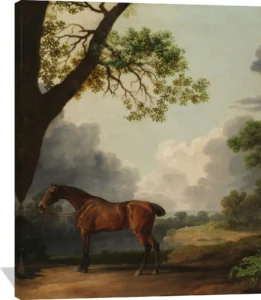
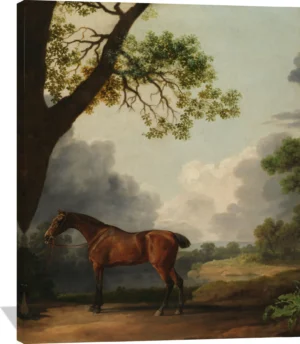
Stubbs is celebrated for his precise naturalism, achieved through extensive anatomical study. His work blends refined draughtsmanship with a calm, balanced sense of composition, giving his paintings a clarity and restraint that set them apart from the more theatrical styles of his contemporaries. His commitment to exacting detail elevated animal portraiture into a discipline of remarkable elegance and intellectual rigor.
Notable Subjects and Contributions
Horses dominate Stubbs’s oeuvre, and his portrayals whether in motion, at rest, or engaged in dramatic encounters remain among the most iconic in British art. Works such as Whistlejacket demonstrate his ability to convey both anatomical accuracy and psychological presence. His groundbreaking publication on equine anatomy established him as a pioneering figure whose research informed countless subsequent artists.
Cultural and Historical Significance
Stubbs’s refined approach to animal portraiture resonated strongly with Britain’s rising interest in sporting culture, rural life, and scientific inquiry. His paintings offered a fresh visual language that honored the vitality and dignity of his subjects. Today, he is recognized as a central figure in the history of British art, valued for his innovative realism and enduring influence on the genre of sporting and animal painting.