Artistic Style
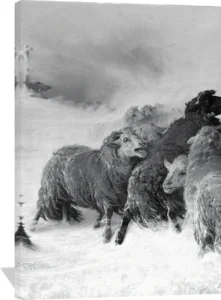
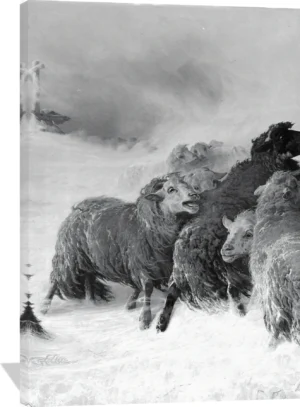
Schenck’s style blends academic realism with a Romantic sensitivity to mood. His mastery of tonal contrasts and expressive lighting heightens the psychological charge of his compositions. Animals, particularly sheep and oxen, serve not merely as pastoral subjects but as vehicles for exploring solitude, struggle, and the fragile balance between life and nature.
Notable Contributions
His best‑known works, including the celebrated Anguish, demonstrate his ability to transform rural subjects into powerful allegories. Schenck’s paintings often evoke a sense of quiet tension, capturing moments of vulnerability with striking empathy. Through careful observation and a distinctive emotional register, he brought new dignity to animal painting during the nineteenth century.
Cultural Significance
Schenck became a prominent figure among artists in Écouen, contributing to the region’s reputation as a center for naturalist and rural painting. His work resonated with viewers across Europe for its atmospheric depth and its meditation on endurance and isolation. Today, Schenck’s paintings remain valued for their poetic realism and their unique blend of technical precision and emotional storytelling.