Artistic Style
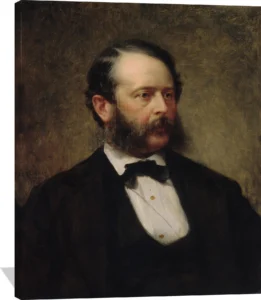
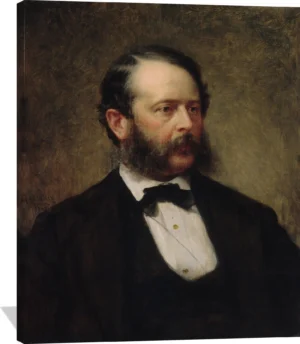
Baker’s work is characterized by a polished, graceful realism that reflects the influence of mid‑19th‑century American academic painting. His portraits reveal a delicate handling of light and a subtle, almost atmospheric softness that enhances both likeness and mood. Known for his meticulous attention to complexion, fabric, and gesture, he elevated portraiture with a distinctive blend of precision and warmth.
Subjects and Themes
Celebrated for his portrayals of women and children, Baker captured sitters with a rare combination of technical mastery and emotional resonance. His subjects often convey a calm interiority, rendered with exquisite detail in features, attire, and setting. Whether depicting prominent social figures or intimate domestic scenes, Baker’s paintings reflect the ideals of refinement and beauty that defined American taste before the Civil War.
Legacy and Significance
Baker emerged as a leading portrait painter in New York during a period when the nation’s cultural identity was rapidly evolving. His contributions helped shape the visual language of American portraiture, and his influence extended through his work with artistic institutions and fellow painters. Today, he is recognized for his exceptional craftsmanship and his ability to convey both elegance and individuality in every image.
Collectors and admirers continue to value Baker’s portraits for their harmonious composition, nuanced coloration, and the quiet sophistication that remains the hallmark of his enduring artistic legacy.