Artistic Style and Technique
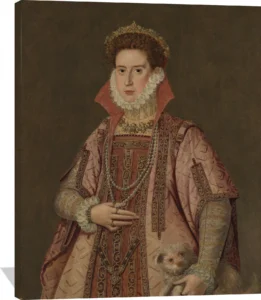
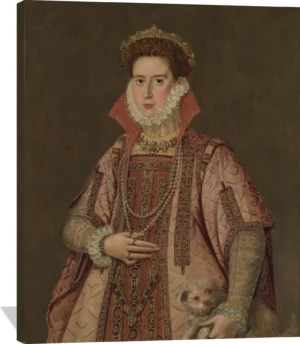
De Moys is recognized for his meticulous handling of detail, a hallmark of Netherlandish tradition, combined with the expressive elegance characteristic of sixteenth‑century Mannerism. His works often reveal carefully modeled figures, luminous color harmonies, and an attentive approach to surface textures. This blend of northern clarity and southern stylization gives his paintings their distinctive presence.
Notable Themes and Subjects
Religious imagery formed the core of de Moys’s output, reflecting the devotional demands of his Spanish patrons. He excelled in creating emotionally resonant altarpieces and narrative scenes that balanced spiritual gravitas with refined visual rhythm. Portraiture also played a meaningful role in his practice, where he captured sitters with a measured balance of realism and idealization. Such works demonstrate his ability to unify introspective character studies with the broader aesthetic trends of his era.
Cultural and Historical Significance
By settling in Zaragoza, de Moys became part of a dynamic artistic environment shaped by both local traditions and international influences. His presence contributed to the growing appreciation for northern techniques in Spain, and his paintings exemplify the cultural dialogue between Flanders and the Iberian courts. Revered for his technical sophistication and his ability to translate northern visual language into the Spanish context, he occupies an important position within the wider history of Renaissance art.
Enduring Legacy
Rolán de Moys’s work today stands as a testament to the mobility and interconnectedness of sixteenth‑century artists. His synthesis of Netherlandish precision with Iberian expressive tendencies continues to draw admiration for its balance of craftsmanship and poetic atmosphere. Through his contributions, he helped shape the visual identity of a transformative moment in European art, leaving a legacy marked by subtlety, depth, and enduring artistic refinement.