Artistic Style
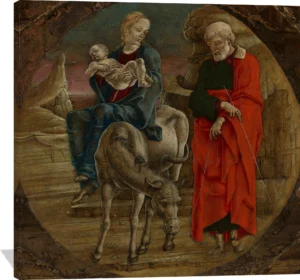
Tura’s work is defined by sharply sculpted forms, metallic surfaces, and dramatic linear rhythms, giving his figures a distinctive tension and vitality. His palette often combined cool tonalities with jewel‑like highlights, creating an effect that feels both mystical and meticulously crafted. This highly individual style became a hallmark of the early Ferrarese school.
Subjects and Themes
He excelled in religious compositions, courtly allegories, and devotional panels, infusing familiar themes with striking emotional depth. Whether portraying saints, Madonnas, or mythological figures, Tura elevated each subject with intricately detailed drapery, expressive faces, and a sense of spiritual intensity.
Legacy and Significance
Tura served as court painter to the Este family, placing him at the center of one of Italy’s most vibrant humanist circles. His rigorous draftsmanship and visionary approach influenced generations of Ferrarese artists and helped define the region’s artistic identity. Today, he is recognized as a pioneering force whose work bridges late Gothic refinement and the emerging Renaissance spirit, a creator of hauntingly imaginative and distinctly personal images.