Artistic Style
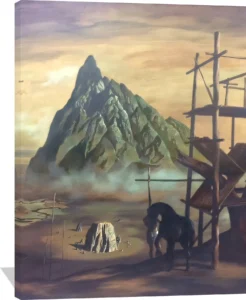
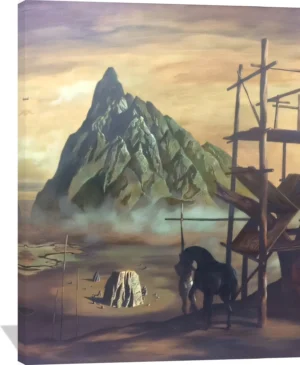
Atherton developed a distinctive approach that merged clear, meticulously rendered forms with quietly surreal or symbolic undertones. His compositions often balanced crisp detail with a sense of spacious calm, revealing an artist attuned to structure, atmosphere, and visual metaphor. This synthesis made him a prominent contributor to the era’s emerging American modernist sensibility.
Subjects and Themes
Known for both easel paintings and editorial illustrations, Atherton frequently depicted landscapes, everyday objects, and industrial motifs. Even in his commercial work, he elevated ordinary subjects by presenting them with striking clarity and deliberate compositional balance. Whether painting rural scenery or arranging objects with near‑architectural precision, he conveyed a contemplative mood that became a hallmark of his oeuvre.
Notable Contributions
Atherton gained national visibility through his illustration work, including memorable magazine covers that showcased his ability to merge artistic sophistication with broad cultural appeal. His fine art, meanwhile, was exhibited in major American institutions, underscoring his role in shaping a visual language in which realism could be both accessible and subtly imaginative. His ability to move fluidly between editorial commissions and gallery painting marked him as a versatile creator with a distinctly American voice.
Cultural Significance
Atherton’s legacy rests in his capacity to capture the spirit of his time while maintaining a personal, introspective sensibility. His images reflect the twentieth‑century fascination with industry, nature, and the quiet poetry of the everyday. Today, collectors value his work for its craftsmanship, atmospheric restraint, and its place within the broader evolution of American illustration and painting. His career continues to stand as a testament to the power of thoughtful realism and the enduring appeal of art that merges precision with imagination.