Artistic Style
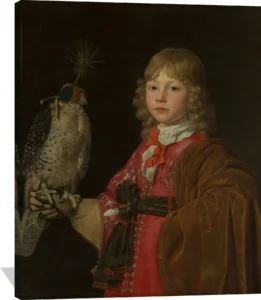
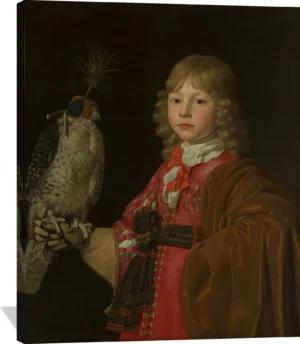
Vaillant is best known for his meticulously rendered portraiture, characterized by soft illumination, subtle psychological depth, and a polished finish influenced by both Flemish and Dutch painting traditions. His mastery of color harmonies and controlled chiaroscuro gave his sitters a quiet but compelling presence.
Notable Contributions
Widely regarded as one of the earliest masters of the mezzotint technique, Vaillant played a transformative role in the development of this medium. His experimentation helped establish mezzotint as a powerful method for reproducing paintings with remarkable tonal richness. This innovation made him a significant figure in the spread of printed imagery during the Baroque period, contributing to the broader dissemination of art across Europe.
Typical Subjects
Vaillant’s works often depict statesmen, scholars, merchants, and members of the Dutch elite, capturing both likeness and character with remarkable sensitivity. Beyond formal portraiture, he also produced genre scenes, still lifes, and religious subjects, many of which reveal his interest in texture, gesture, and the subtleties of human expression.
Cultural and Historical Significance
As a cosmopolitan artist who moved fluidly between major European cultural centers, Vaillant bridged Flemish finesse with Dutch realism, leaving a distinct mark on 17th‑century art. His role in advancing mezzotint secured his reputation as a technical innovator, while his portraits remain admired for their quiet elegance and enduring humanity.