Artistic Style
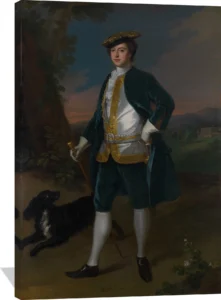
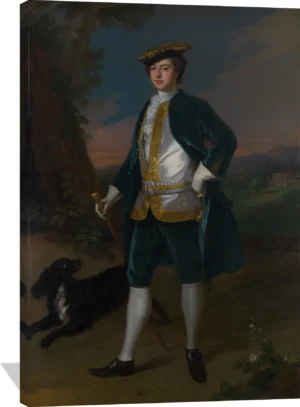
Seeman’s work is defined by its elegant balance of realism and subtle idealization. His portraits display disciplined draftsmanship, smooth brushwork, and a quiet luminosity that highlights the sitter’s presence without excess ornamentation. He favored richly textured fabrics and carefully modulated flesh tones, integrating them into compositions that exude poise and understated sophistication.
Typical Subjects
Known primarily for his portraits, Seeman captured members of the English gentry, nobility, and prominent cultural figures. His sitters are often portrayed with a calm self-assurance, emphasizing dignity and social stature. Beyond likeness, he conveyed psychological nuance, offering viewers a sense of the personality behind each refined façade.
Notable Contributions
Seeman played a significant role in shaping Britain’s portrait tradition during a period of cultural expansion and shifting tastes. Working in London at a time when demand for personal and dynastic representation surged, he contributed to the visual language that defined Georgian society. His ability to combine technical clarity with a perceptive, humanizing touch made him a valued contemporary and a respected figure in the evolution of eighteenth‑century portraiture.
Cultural Significance
As an artist who bridged continental training with English artistic expectations, Seeman brought a distinctive blend of Northern European precision and British elegance to his work. His paintings offer a window into the aspirations, identities, and social rituals of early Georgian England, making them historically rich as well as visually compelling. Today, his portraits are appreciated for their enduring refinement and their contribution to the development of the British portrait tradition.