Artistic Style
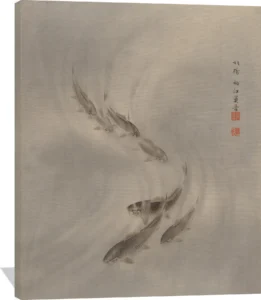
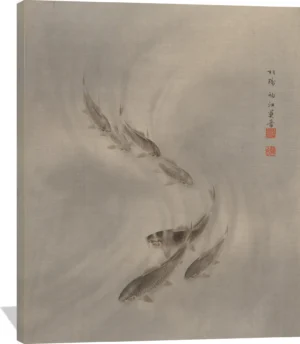
Shūkō is associated with the broad tradition of Nihonga, characterized by mineral pigments, delicate linework, and an emphasis on atmosphere. His paintings reveal a disciplined clarity, favoring compositional harmony over embellishment. The resulting imagery feels contemplative, yet vividly rooted in the natural world. His mastery of subtle tonal transitions and elegant brush handling gave his surfaces a distinctive quiet luminosity, making his style instantly recognizable.
Subjects and Themes
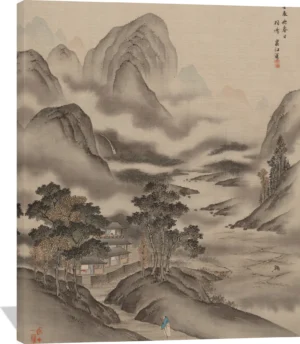
Nature was central to Shūkō’s work. Landscapes, seasonal scenery, and botanical studies appear frequently, each rendered with a measured restraint that highlights their inherent beauty. Whether depicting serene mountain vistas or the fleeting bloom of flowers, he approached his subjects with a poetic sensibility that reflects the Japanese tradition of observing the natural world as a mirror of human experience.
Legacy and Significance
Working during a period of cultural redefinition, Shūkō contributed to the preservation and evolution of Japanese painting. While Western techniques were becoming increasingly influential, he remained committed to the foundational principles of Japanese pictorial art, helping sustain their relevance in a changing society. His paintings continue to be admired for their meditative tone and the way they embody a distinctly Japanese vision of landscape and nature.
Collectors value Shūkō’s work for its refined craftsmanship and for the way it captures the essence of traditional Japanese aesthetics through a modernizing lens. His enduring appeal lies in the quiet confidence of his technique and the timeless serenity of his imagery.