Artistic Style and Approach
Anshutz is known for his refined realism, marked by precise draftsmanship, controlled compositions, and a quiet emotional depth. While rooted in academic training, his work often reveals a progressive sensibility through its direct observation of everyday life. His celebrated piece The Ironworkers’ Noontime exemplifies his interest in depicting contemporary subjects with clarity and dignity, bridging the gap between academic portraiture and a more modern social awareness.
Subjects and Themes
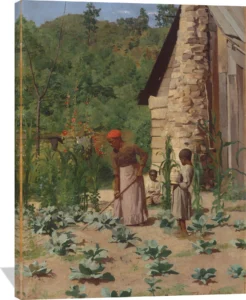
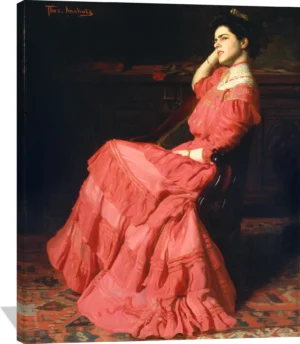
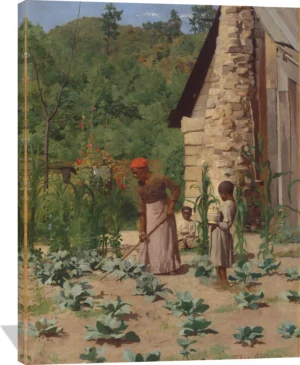
Across portraiture, genre scenes, and landscapes, Anshutz focused on the expressive subtleties of human presence and the character of the American environment. His portraits display a careful attention to gesture and individuality, while his outdoor studies capture atmosphere with a delicacy that reflects his admiration for nature. Whether portraying workers, students, or quiet rural settings, his imagery feels grounded, observant, and deeply human.
Legacy and Significance
A revered teacher, Anshutz guided students who would later transform American art, cementing his reputation as a pivotal figure in the nation’s artistic evolution. His commitment to craft and his willingness to embrace new ideas placed him at a meaningful crossroads in art history. Today, his paintings are valued for their compositional strength, subtle emotion, and their role in shaping a more modern, confidently American visual language. His work stands as a testament to the enduring power of thoughtful realism and the importance of skilled, observant artistry.