Artistic Style
Alma-Tadema is renowned for his meticulous archaeological accuracy and luminous, marble-filled compositions. His work blends academic precision with an atmospheric softness, creating scenes that feel both scholarly and sensuous. His palette is marked by radiant light, intricate textures, and the delicate rendering of materials such as stone, fabric, and flowers.
Themes and Subjects
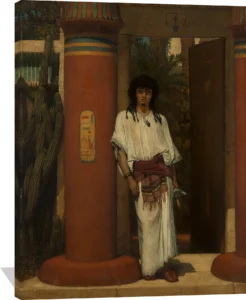
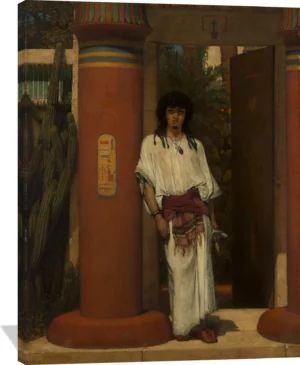
His paintings often depict daily life in ancient Rome, Greece, and Egypt, portraying intimate domestic moments, ceremonial gatherings, and serene architectural vistas. With an almost cinematic attention to detail, Alma-Tadema infused classical settings with human warmth and narrative richness. Works like The Roses of Heliogabalus exemplify his ability to transform historical motifs into emotionally evocative tableaux.
Legacy and Significance
Alma-Tadema’s influence extended far beyond the Victorian period. His vivid reconstruction of antiquity informed later visual culture, inspiring set designers, filmmakers, and generations of historical painters. Admired for his unparalleled technical finesse and his evocative reimagining of ancient life, he remains a defining figure of nineteenth-century academic art.