Walt Whitman
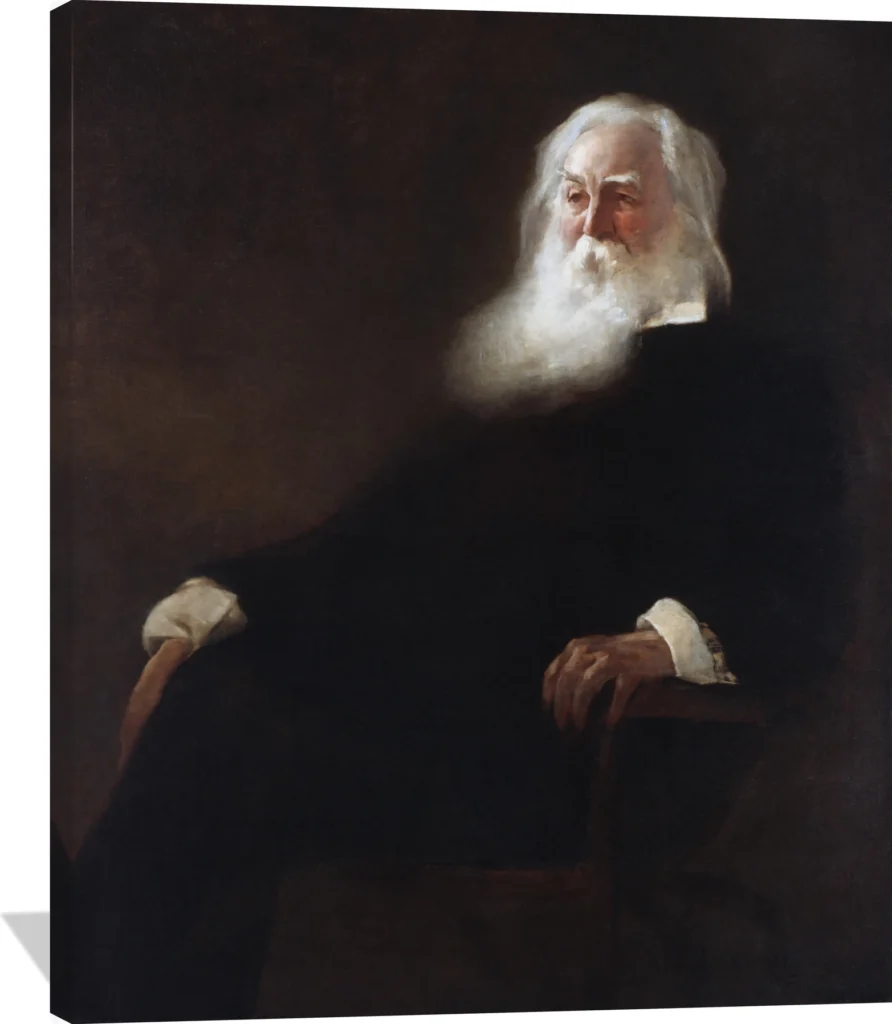
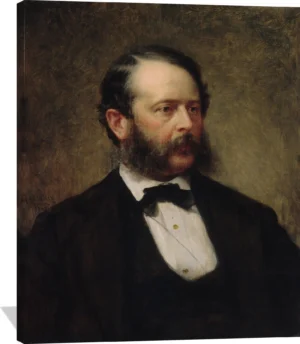
The John White Alexander Walt Whitman canvas captures the quiet dignity and reflective spirit of the famed poet through masterful use of light and shadow. Deep browns, soft whites, and warm flesh tones merge in a luminous composition that evokes wisdom and serenity. The subtle play of highlights against a dark background gives the portrait a timeless, contemplative presence.
This elegant wall art brings a sense of depth and intellect to any setting—perfect for a study, library, or sophisticated living space. A premium Walt Whitman canvas print that celebrates both artistic mastery and enduring literary legacy.
John White Alexander (1856–1915) was an American painter celebrated for his refined draftsmanship, atmospheric elegance, and the poetic fluidity of his compositions. Born in Allegheny, Pennsylvania, and later active in New York, he emerged as a prominent figure of the American Gilded Age, admired for his ability to merge tonal harmony with expressive, modern sensibilities.
Artistic Style
Alexander developed a distinctive style characterized by sweeping curves, soft contours, and a subtle yet rich palette. His work often blended elements of Tonalism and Aestheticism, resulting in compositions that feel both serene and emotionally resonant. Figures seem to drift within their environments, shaped by rhythmic lines and atmospheric light. This lyrical approach became a hallmark of his mature period and contributed significantly to his enduring reputation.
Subjects and Themes
He is best known for his expressive portraits, elegant depictions of women, and symbolic interiors, many rendered with a sense of quiet introspection. His sitters, often poised in flowing garments, appear suspended in luminous environments that elevate mood over narrative. Alexander also created murals and allegorical works, expanding his visual language beyond portraiture while maintaining his signature grace.
Cultural Significance
A respected figure in American art circles, Alexander helped shape the nation’s transition toward more modern pictorial forms. His ability to merge American realism with European artistic influences reflects his international perspective and professional experience abroad. Today, his works stand as important examples of late 19th- and early 20th-century American painting, admired for their lyricism and refined sense of design.
Trust & policies
- 🚚 Free worldwide shipping
- 🔁 30-day returns (change of mind)
- 🛡️ If damaged/defective/misprinted: free replacement or full refund
- 🌍 Printed in US/CA/EU/UK/AU (based on delivery location)
- 💎 Made to order using acid-free, fade-resistant canvas
- 💎 Solid wood stretcher bars • Pine floating frames
- 🪝 Ready to hang

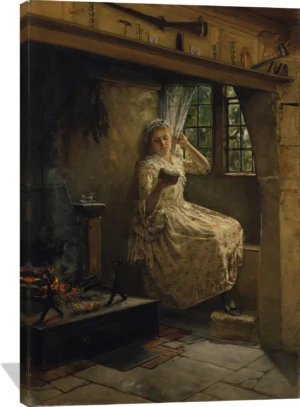
Meditation
John George BrownCanvas from
142,00 leiSelect options This product has multiple variants. The options may be chosen on the product pageThe Pipe Dance
Ralph Albert BlakelockCanvas from
222,00 leiSelect options This product has multiple variants. The options may be chosen on the product pageFur Traders Descending the Missouri
George Caleb BinghamCanvas from
142,00 leiSelect options This product has multiple variants. The options may be chosen on the product pageShipwreck off Nantucket (Wreck off Nantucket after a Storm)
William BradfordCanvas from
222,00 leiSelect options This product has multiple variants. The options may be chosen on the product pageLandscape
Ralph Albert BlakelockCanvas from
147,00 leiSelect options This product has multiple variants. The options may be chosen on the product pageLeete Farm, West Claremont, New Hampshire
Francis AlexanderCanvas from
222,00 leiSelect options This product has multiple variants. The options may be chosen on the product pageJanet Halleck Drake
Henry InmanCanvas from
142,00 leiSelect options This product has multiple variants. The options may be chosen on the product pageSunrise on the Matterhorn
Albert BierstadtCanvas from
142,00 leiSelect options This product has multiple variants. The options may be chosen on the product pageMerced River, Yosemite Valley
Albert BierstadtCanvas from
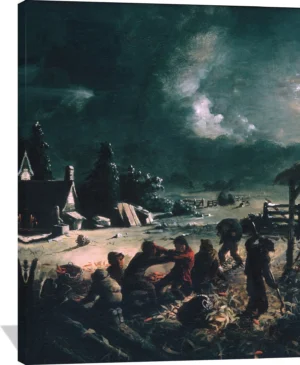
147,00 leiSelect options This product has multiple variants. The options may be chosen on the product pageCorn Husking
David Gilmour BlytheCanvas from
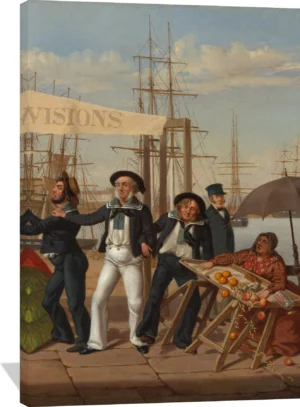
147,00 leiSelect options This product has multiple variants. The options may be chosen on the product pageAfter a Long Cruise
John CarlinCanvas from
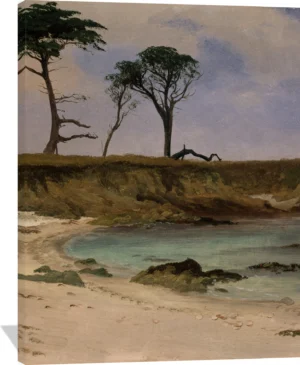
222,00 leiSelect options This product has multiple variants. The options may be chosen on the product pageSea Cove
Albert BierstadtCanvas from
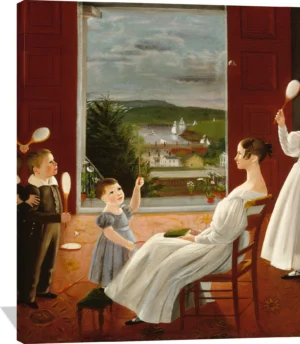
147,00 leiSelect options This product has multiple variants. The options may be chosen on the product pageThe Children of Nathan Starr
Ambrose AndrewsCanvas from
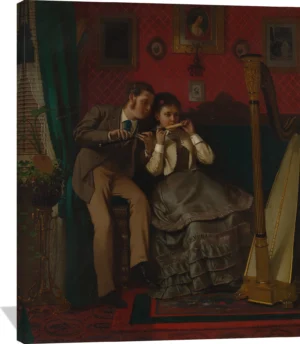
142,00 leiSelect options This product has multiple variants. The options may be chosen on the product pageThe Music Lesson
John George BrownCanvas from
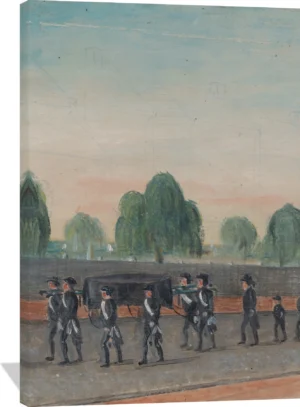
142,00 leiSelect options This product has multiple variants. The options may be chosen on the product pageAdult Funeral Procession
William P. ChappelCanvas from
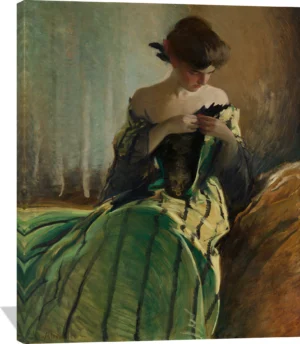
222,00 leiSelect options This product has multiple variants. The options may be chosen on the product pageStudy in Green and Black
John White AlexanderCanvas from
142,00 leiSelect options This product has multiple variants. The options may be chosen on the product pageJohn F. Kensett
George Augustus Baker Jr.Canvas from
142,00 leiSelect options This product has multiple variants. The options may be chosen on the product pageMountain Scene
Albert BierstadtCanvas from
147,00 leiSelect options This product has multiple variants. The options may be chosen on the product pageIn the Laboratory
Henry AlexanderCanvas from
142,00 leiSelect options This product has multiple variants. The options may be chosen on the product pageThe Way They Live
Thomas AnshutzCanvas from
147,00 leiSelect options This product has multiple variants. The options may be chosen on the product pageMrs. Benjamin Simons
Henry BenbridgeCanvas from
142,00 leiSelect options This product has multiple variants. The options may be chosen on the product pageMrs. Samuel Cutts
Joseph BlackburnCanvas from
142,00 leiSelect options This product has multiple variants. The options may be chosen on the product page




Explore John White Alexander
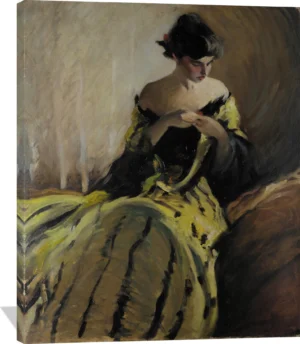
Study in Black and Green (Oil Sketch)
John White AlexanderCanvas from
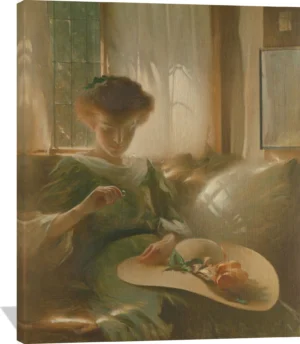
142,00 leiSelect options This product has multiple variants. The options may be chosen on the product pageThe Ring
John White AlexanderCanvas from
142,00 leiSelect options This product has multiple variants. The options may be chosen on the product pageStudy in Green and Black
John White AlexanderCanvas from
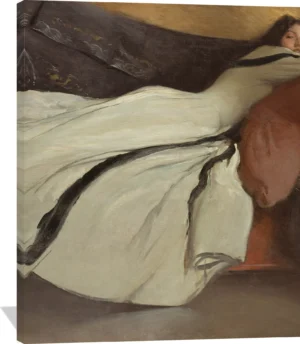
142,00 leiSelect options This product has multiple variants. The options may be chosen on the product pageRepose
John White AlexanderCanvas from
142,00 leiSelect options This product has multiple variants. The options may be chosen on the product pageStudy in Black and Green (Oil Sketch)
John White AlexanderCanvas from
142,00 leiSelect options This product has multiple variants. The options may be chosen on the product pageThe Ring
John White AlexanderCanvas from
142,00 leiSelect options This product has multiple variants. The options may be chosen on the product page
Explore Portraits
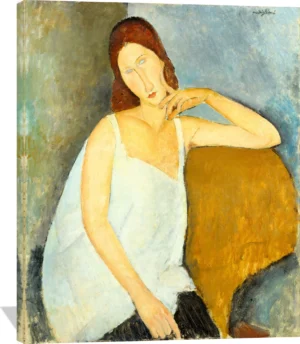
Jeanne Hébuterne
Amedeo ModiglianiCanvas from
142,00 leiSelect options This product has multiple variants. The options may be chosen on the product pageGirl in a Sailor’s Blouse
Amedeo ModiglianiCanvas from
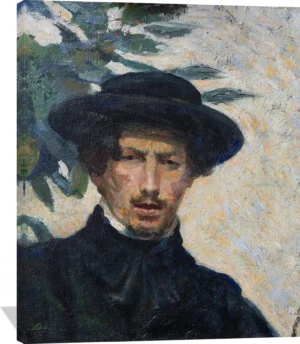
147,00 leiSelect options This product has multiple variants. The options may be chosen on the product pageSelf-Portrait
Umberto BoccioniCanvas from
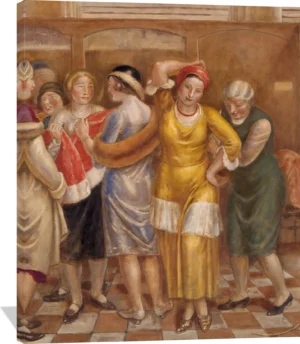
142,00 leiSelect options This product has multiple variants. The options may be chosen on the product pageThe Fitting Room
Kenneth Hayes MillerCanvas from
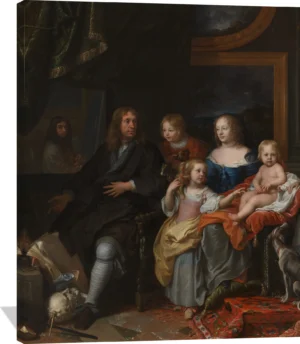
142,00 leiSelect options This product has multiple variants. The options may be chosen on the product pageThe Jabach Family
Charles Le BrunCanvas from
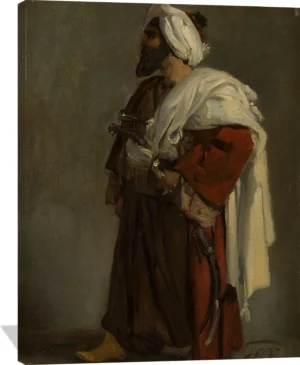
142,00 leiSelect options This product has multiple variants. The options may be chosen on the product pageArab Warrior
Horace VernetCanvas from
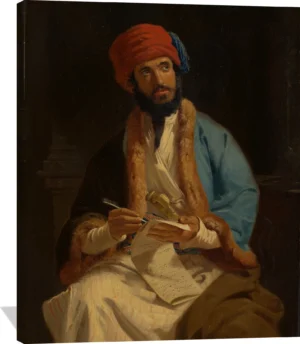
147,00 leiSelect options This product has multiple variants. The options may be chosen on the product pageThe Arab Sage
German PainterCanvas from
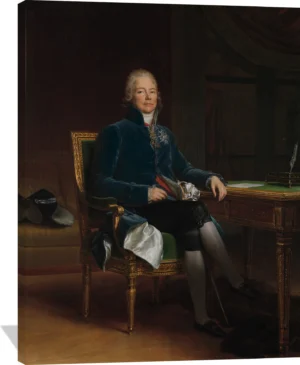
142,00 leiSelect options This product has multiple variants. The options may be chosen on the product pageCharles Maurice de Talleyrand Périgord (1754–1838), Prince de Bénévent
baron François GérardCanvas from
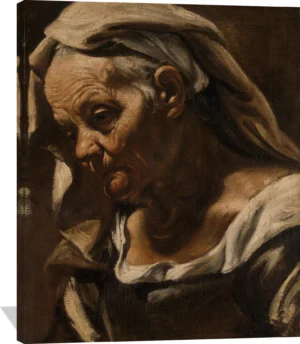
147,00 leiSelect options This product has multiple variants. The options may be chosen on the product pageHead of an Old Woman
Orazio BorgianniCanvas from
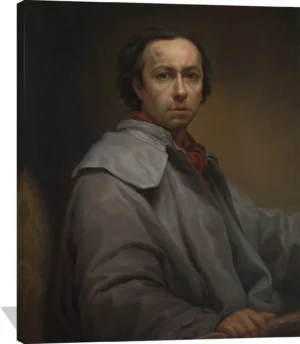
142,00 leiSelect options This product has multiple variants. The options may be chosen on the product pageSelf-Portrait
Anton Raphael MengsCanvas from
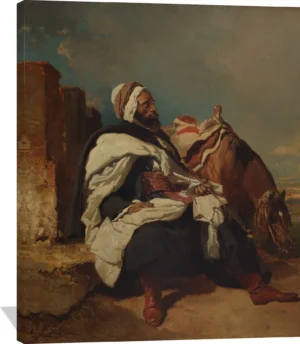
142,00 leiSelect options This product has multiple variants. The options may be chosen on the product pageSeated Arab Man with Horse
Alfred DedreuxCanvas from
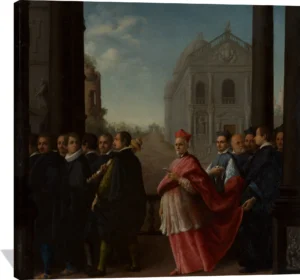
142,00 leiSelect options This product has multiple variants. The options may be chosen on the product pageA Cardinal’s Procession
Ottavio Leoni (Il Padovano)Canvas from
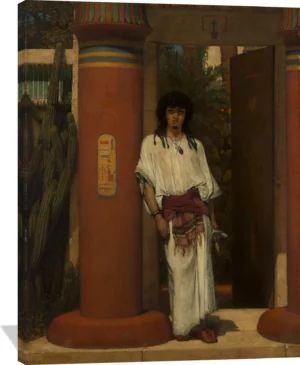
195,00 leiSelect options This product has multiple variants. The options may be chosen on the product pageAn Egyptian in a Doorway
Sir Lawrence Alma-TademaCanvas from
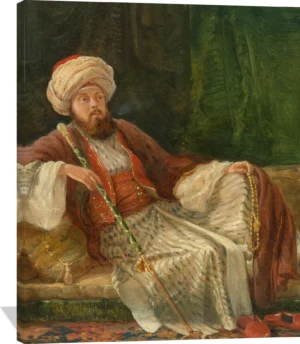
147,00 leiSelect options This product has multiple variants. The options may be chosen on the product pageWestern Gentleman in Oriental Costume
British PainterCanvas from
142,00 leiSelect options This product has multiple variants. The options may be chosen on the product pageA Female Martyr Saint
Carlo Francesco NuvoloneCanvas from
142,00 leiSelect options This product has multiple variants. The options may be chosen on the product pageGirl in a Courtyard, Algiers (formerly Courtyard in Tangier)
Philippe PavyCanvas from
222,00 leiSelect options This product has multiple variants. The options may be chosen on the product pageLute Player
Valentin de BoulogneCanvas from
142,00 leiSelect options This product has multiple variants. The options may be chosen on the product pageThe Opium Smokers
Georges ClairinCanvas from
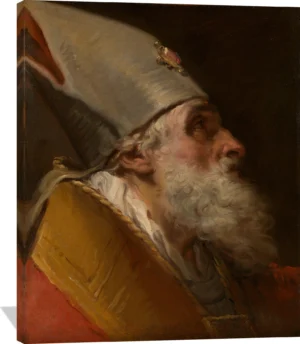
195,00 leiSelect options This product has multiple variants. The options may be chosen on the product pageHead of a Bishop
Gaetano GandolfiCanvas from
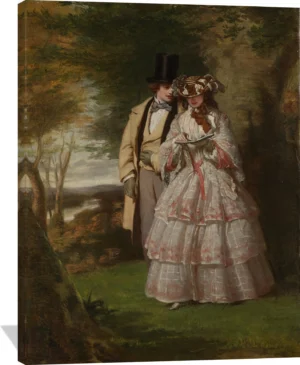
142,00 leiSelect options This product has multiple variants. The options may be chosen on the product pageThe Two Central Figures in “Derby Day”
William Powell FrithCanvas from
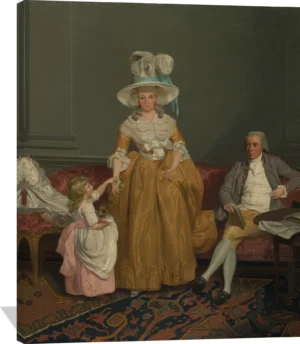
147,00 leiSelect options This product has multiple variants. The options may be chosen on the product pageThe Saithwaite Family
Francis WheatleyCanvas from
142,00 leiSelect options This product has multiple variants. The options may be chosen on the product page

Explore Aesthetic
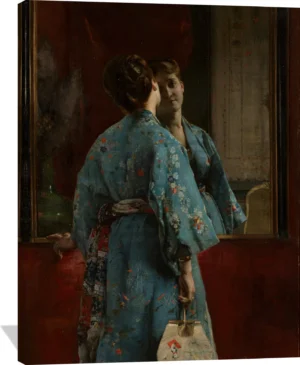
The Japanese Robe
Alfred StevensCanvas from
147,00 leiSelect options This product has multiple variants. The options may be chosen on the product pageLucia
Frederic, Lord LeightonCanvas from
142,00 leiSelect options This product has multiple variants. The options may be chosen on the product pageTortoises and Crabs
Shibata ZeshinCanvas from
222,00 leiSelect options This product has multiple variants. The options may be chosen on the product pagePigeons in a Tree
Watanabe SeiteiCanvas from
142,00 leiSelect options This product has multiple variants. The options may be chosen on the product pageCat Watching a Spider
Oide TōkōCanvas from
142,00 leiSelect options This product has multiple variants. The options may be chosen on the product pageA Cosey Corner
Frank MilletCanvas from
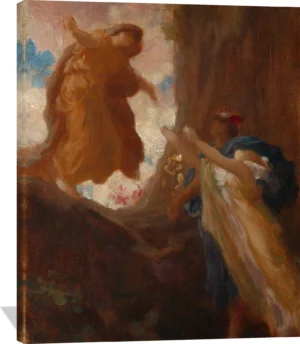
222,00 leiSelect options This product has multiple variants. The options may be chosen on the product pageThe Return of Persephone
Frederic, Lord LeightonCanvas from
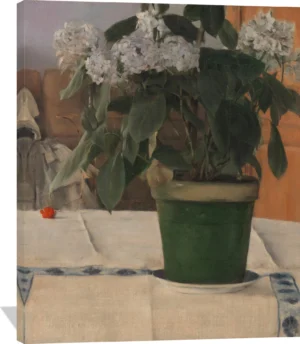
142,00 leiSelect options This product has multiple variants. The options may be chosen on the product pageHortensia
Fernand KhnopffCanvas from
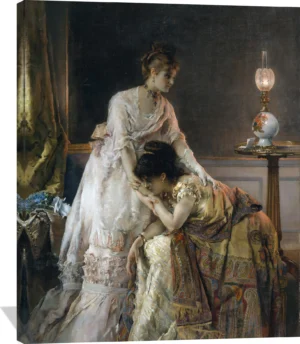
142,00 leiSelect options This product has multiple variants. The options may be chosen on the product pageAfter the Ball
Alfred StevensCanvas from
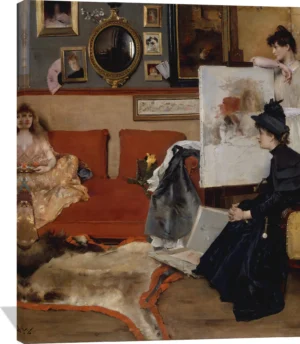
142,00 leiSelect options This product has multiple variants. The options may be chosen on the product pageIn the Studio
Alfred StevensCanvas from
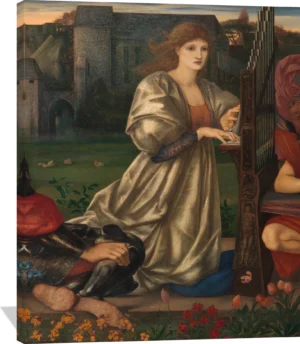
142,00 leiSelect options This product has multiple variants. The options may be chosen on the product pageThe Love Song
Sir Edward Burne-JonesCanvas from
142,00 leiSelect options This product has multiple variants. The options may be chosen on the product pageSchool of Fishes
Seki ShūkōCanvas from
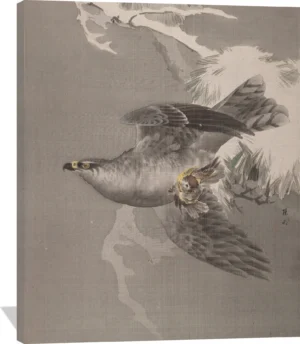
142,00 leiSelect options This product has multiple variants. The options may be chosen on the product pageHawk Holding a Small Bird
Okada BaisonCanvas from
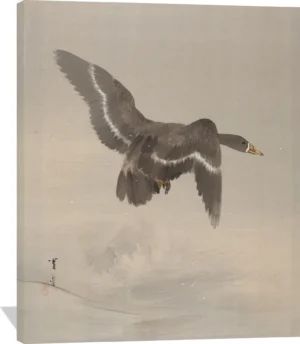
142,00 leiSelect options This product has multiple variants. The options may be chosen on the product pageFlying Goose
Watanabe SeiteiCanvas from
142,00 leiSelect options This product has multiple variants. The options may be chosen on the product pageBirds on a Branch
Watanabe SeiteiCanvas from
142,00 leiSelect options This product has multiple variants. The options may be chosen on the product pageParody of Murasaki, from “Lavender” (Wakamurasaki), chapter 5 of the Tale of Genji
Kawamata TsuneyukiCanvas from
142,00 leiSelect options This product has multiple variants. The options may be chosen on the product pageArrangement in Black: Girl Reading
James McNeill WhistlerCanvas from
142,00 leiSelect options This product has multiple variants. The options may be chosen on the product pageThe Green Bodice
Julian Alden WeirCanvas from
147,00 leiSelect options This product has multiple variants. The options may be chosen on the product pageThe Cup of Love
Elihu VedderCanvas from
142,00 leiSelect options This product has multiple variants. The options may be chosen on the product pagePortrait of the Painter
John La FargeCanvas from
142,00 leiSelect options This product has multiple variants. The options may be chosen on the product pageThe Muse of Painting
John La FargeCanvas from
142,00 leiSelect options This product has multiple variants. The options may be chosen on the product page

Explore Religious Figures
Saint Francis in Ecstasy
Giovanni Benedetto Castiglione (Il Grechetto)Canvas from
147,00 leiSelect options This product has multiple variants. The options may be chosen on the product pageDead Christ Supported by Angels
Francesco TrevisaniCanvas from
142,00 leiSelect options This product has multiple variants. The options may be chosen on the product pageThe Agony in the Garden
Nicolas PoussinCanvas from
142,00 leiSelect options This product has multiple variants. The options may be chosen on the product pageThe Tears of Saint Peter
Jusepe de Ribera (called Lo Spagnoletto)Canvas from
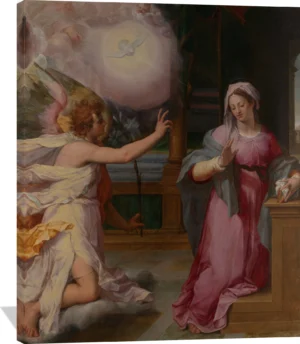
147,00 leiSelect options This product has multiple variants. The options may be chosen on the product pageThe Annunciation
Peter Candid (Pieter de Witte, Pietro Candido)Canvas from
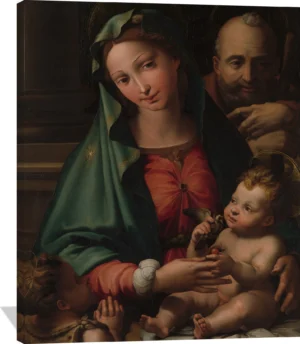
142,00 leiSelect options This product has multiple variants. The options may be chosen on the product pageThe Holy Family with the Infant Saint John the Baptist
Perino del Vaga (Pietro Buonaccorsi)Canvas from
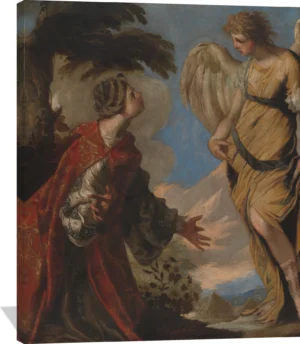
142,00 leiSelect options This product has multiple variants. The options may be chosen on the product pageHagar and the Angel
Francesco MaffeiCanvas from
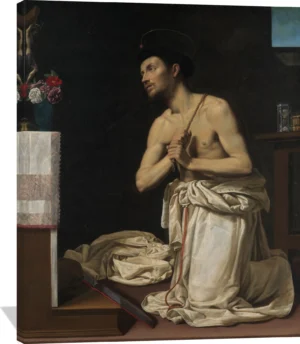
142,00 leiSelect options This product has multiple variants. The options may be chosen on the product pageSaint Dominic in Penitence
Filippo TarchianiCanvas from
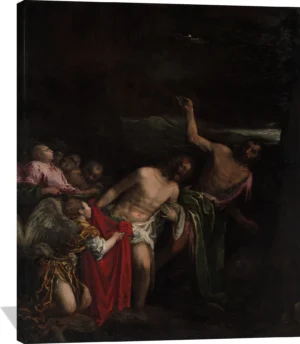
142,00 leiSelect options This product has multiple variants. The options may be chosen on the product pageThe Baptism of Christ
Jacopo Bassano (Jacopo da Ponte)Canvas from
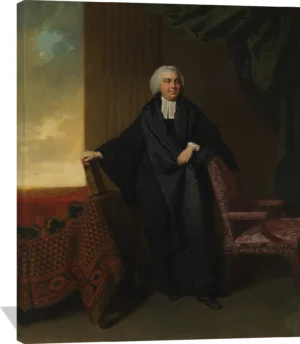
142,00 leiSelect options This product has multiple variants. The options may be chosen on the product pageThe Reverend Philip Cocks (1735–1797)
Johan Joseph ZoffanyCanvas from
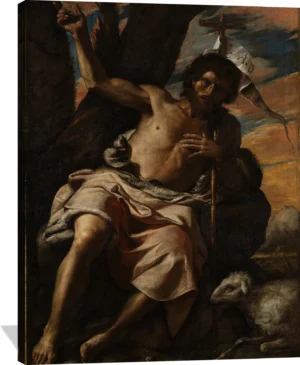
142,00 leiSelect options This product has multiple variants. The options may be chosen on the product pageSaint John the Baptist Preaching
Mattia Preti (Il Cavalier Calabrese)Canvas from
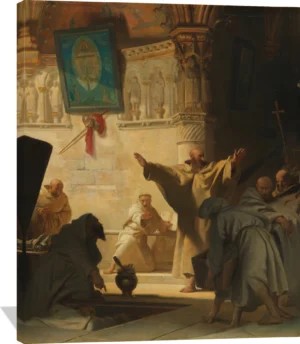
147,00 leiSelect options This product has multiple variants. The options may be chosen on the product pageDramatic Scene with Monks in a Crypt
Alexandre Evariste FragonardCanvas from
142,00 leiSelect options This product has multiple variants. The options may be chosen on the product pageSaint Francis
Federico BarocciCanvas from
142,00 leiSelect options This product has multiple variants. The options may be chosen on the product pageMadonna and Child
Francesco Granacci (Francesco di Andrea di Marco)Canvas from
142,00 leiSelect options This product has multiple variants. The options may be chosen on the product pagePope Gregory XVI Visiting the Church of San Benedetto at Subiaco
Jean-François MontessuyCanvas from
195,00 leiSelect options This product has multiple variants. The options may be chosen on the product pageThe Denial of Saint Peter
Ludovico CarracciCanvas from
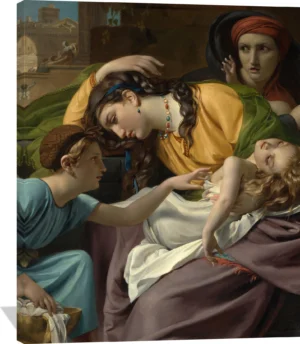
222,00 leiSelect options This product has multiple variants. The options may be chosen on the product pageThe Massacre of the Innocents
François Joseph NavezCanvas from
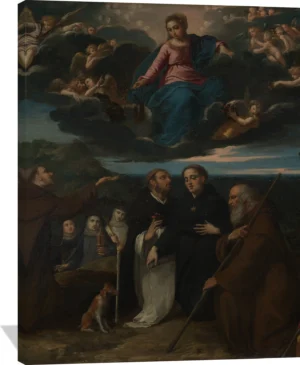
142,00 leiSelect options This product has multiple variants. The options may be chosen on the product pageThe Virgin Adored by Saints
Scarsellino (Ippolito Scarsella)Canvas from
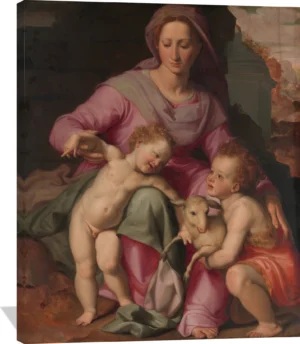
147,00 leiSelect options This product has multiple variants. The options may be chosen on the product pageMadonna and Child with the Infant Saint John the Baptist
Santi di TitoCanvas from
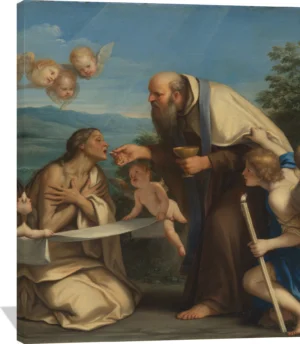
142,00 leiSelect options This product has multiple variants. The options may be chosen on the product pageThe Last Communion of Saint Mary of Egypt
Marcantonio FranceschiniCanvas from
142,00 leiSelect options This product has multiple variants. The options may be chosen on the product pageThe Young Virgin
Francisco de ZurbaránCanvas from
142,00 leiSelect options This product has multiple variants. The options may be chosen on the product page