Artistic Style
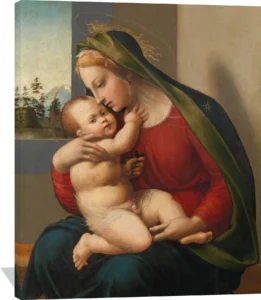
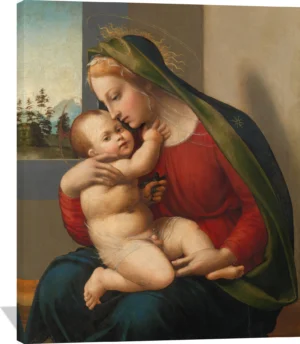
Granacci’s work is characterized by serene compositions, harmonious proportions, and a vibrant yet controlled palette. His paintings often reflect the transition from the linear clarity of the early Renaissance to the richer chromatic expression of the High Renaissance. Known for his confident draftsmanship and gentle modeling of figures, he crafted scenes infused with calm dignity and narrative clarity.
Subjects and Themes
He frequently depicted religious themes, including altarpieces, devotional panels, and narrative cycles. His scenes from the lives of saints and biblical figures display a finely tuned sense of staging, with architectural backdrops and landscapes that heighten the emotional impact. Works such as The Triumph of Camillus reveal his ability to blend historical storytelling with expressive detail and a strong sense of theatricality.
Legacy and Significance
Granacci’s enduring importance lies in his contribution to the flourishing artistic culture of Renaissance Florence. Though often working within collaborative workshop settings, he maintained a distinctive voice shaped by both traditional Florentine principles and the emerging innovations of his era. Today, he is recognized as a skilled painter whose artistry illuminates the vibrant creative environment that produced some of the Renaissance’s most influential masters, offering collectors and admirers a window into the elegance and spiritual depth of the period.