Artistic Style
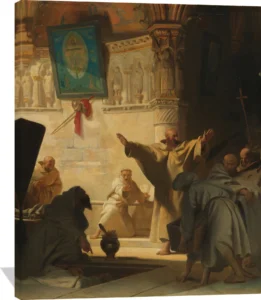
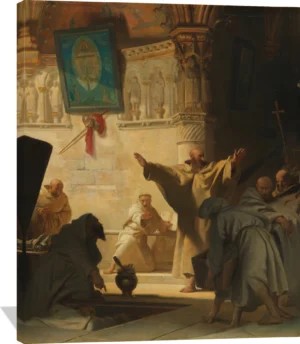
Fragonard’s style is marked by precise linework, polished surfaces, and an affinity for historical and literary themes. While his Rococo lineage is evident in his fluid handling and occasional pastoral charm, his mature work reflects the measured compositions and balanced forms associated with Neoclassical art. His drawings and designs, in particular, reveal a strong command of contour and a keen narrative sensibility.
Subjects and Contributions
He often depicted scenes from ancient history, mythology, and national heritage, treating each subject with clarity and restraint. Decorative arts benefited significantly from his talent; he produced designs for porcelain, engravings, and interior ornamentation that blended elegance with scholarly rigor. His ability to shift between painting, sculpture, and design made him a versatile contributor to France’s artistic landscape during a period of cultural transformation.
Cultural Significance
Fragonard played an important role in transitioning French art from the exuberance associated with his father’s generation to the more structured visual language of the nineteenth century. His work embodies the nuanced evolution of French taste, offering a bridge between two major artistic eras. Celebrated for his refined draftsmanship and thoughtful storytelling, he remains a notable figure whose creations continue to inspire appreciation for their balance of elegance and precision.