Artistic Style
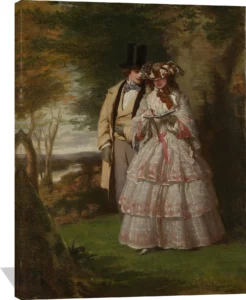
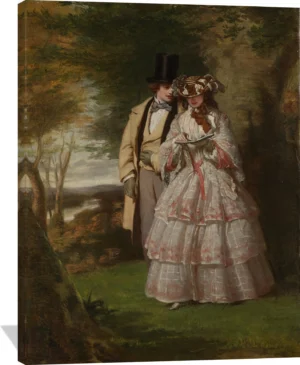
Frith’s work is distinguished by meticulous detail, strong storytelling, and a keen observational eye. He favored richly populated compositions, orchestrating figures with a theatrical sense of arrangement. His style combined realism with a subtle moral undercurrent, offering viewers both visual delight and insightful commentary.
Notable Contributions
Renowned for his ambitious panoramic scenes, Frith excelled at capturing the bustle and diversity of everyday life. Works such as Ramsgate Sands and Derby Day exemplify his ability to transform ordinary public gatherings into grand visual narratives. These paintings secured his reputation as a leading interpreter of Victorian society and earned him recognition within the Royal Academy, where he became a key figure.
Subjects and Themes
Frith frequently depicted leisure activities, public spectacles, and the subtle dramas found in crowded spaces. His compositions highlight interactions across different social classes, making his art both accessible and revealing. Attention to costume, gesture, and character allowed him to create scenes that feel alive, intimate, and richly descriptive.
Cultural Significance
Frith’s work remains valued for its historical depth and its ability to encapsulate the rhythms and values of nineteenth-century Britain. As a master storyteller in paint, he offered a window into the world around him, preserving its charm, contradictions, and complexities. His legacy endures in the enduring appeal of his socially observant, narrative-rich paintings.