Artistic Style and Approach
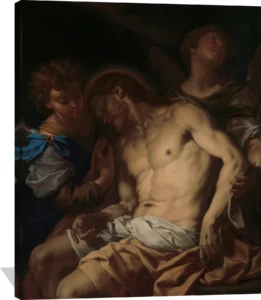
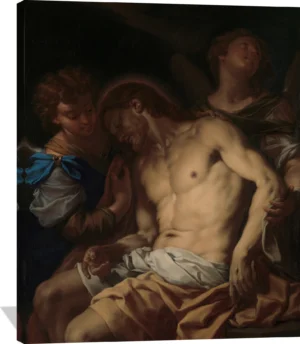
Trevisani’s paintings are distinguished by their delicate coloration, graceful compositions, and expressive yet controlled emotional tone. His work often reveals a careful balance between vitality and restraint, marked by subtle lighting and polished surfaces. These qualities helped position him as a leading figure among the Roman painters moving toward a more lyrical aesthetic.
Notable Subjects and Themes
Renowned for religious and mythological scenes, Trevisani excelled at depicting moments of contemplation, devotion, or quiet drama. He frequently portrayed saints, allegorical figures, and narratives from classical antiquity, infusing each subject with clarity and emotional resonance. His portraiture likewise demonstrated a sensitivity to character, capturing sitters with both dignity and gentle realism.
Legacy and Significance
Working for prominent patrons and ecclesiastical institutions, Trevisani contributed significantly to the artistic landscape of early eighteenth‑century Rome. His harmonious synthesis of Baroque dynamism and Rococo refinement left a lasting mark on contemporaries and successors alike. Celebrated for his elegant compositional clarity and his ability to convey spirituality with understated drama, Trevisani remains an important figure in the evolution of Italian painting.