Artistic Style and Approach
Gandolfi’s work blends the expressive brilliance of the Bolognese Baroque with emerging eighteenth‑century classicism. His compositions often reveal spirited movement, graceful figuration, and a refined sensitivity to light. These qualities, paired with his command of anatomy and gesture, make him a distinctive voice in the transition between stylistic eras.
Subjects and Themes
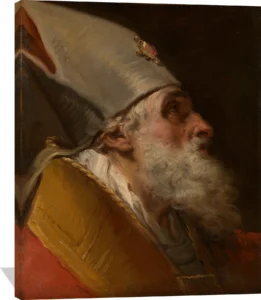
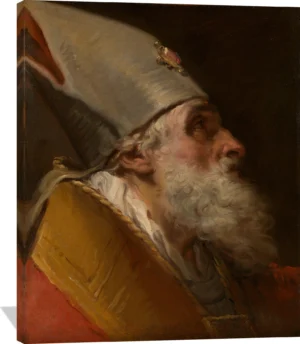
He painted a wide range of themes, from religious and mythological narratives to elegant portraiture. His altarpieces display a vivid theatricality, while his secular commissions often explore human emotion with clarity and sophistication. Studies of heads and characterful figures highlight his ability to capture personality with immediacy and charm.
Legacy and Cultural Significance
As one of the most celebrated members of the Gandolfi artistic dynasty, he played a central role in sustaining Bologna’s artistic reputation during the eighteenth century. His influence extended through his teaching and the widespread admiration of his vigorous, expressive style. Today, Gandolfi is remembered for his masterful draftsmanship and his eloquent synthesis of Baroque vitality and classical restraint.