Artistic Vision and Style
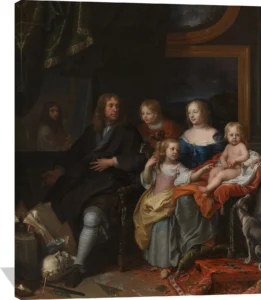
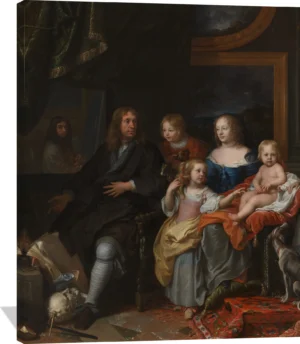
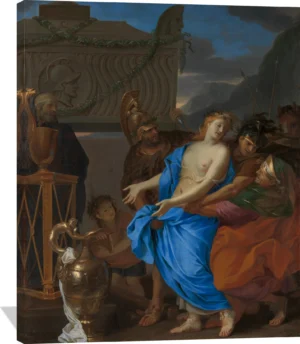
Le Brun’s work is distinguished by its harmonious compositions, expressive figures, and a disciplined sense of order rooted in classical principles. His paintings often balance emotional intensity with intellectual clarity, reflecting his belief that art should elevate the viewer through beauty and reason. He is particularly known for his mastery of grand narrative scenes and for creating visually cohesive cycles that celebrate power, virtue, and mythological grandeur.
Notable Contributions
As the first painter to the king and a driving force within the Royal Academy of Painting and Sculpture, Le Brun played a pivotal role in shaping artistic standards in seventeenth‑century France. His direction of major decorative projects at the Palace of Versailles, including the celebrated Hall of Mirrors and the series The Battles of Alexander, exemplifies his ability to orchestrate large-scale works that merge painting, architecture, and symbolism into a unified, majestic whole.
Legacy and Significance
Le Brun’s authority as both artist and theorist helped define the aesthetic principles that would guide French art for generations. His writings on facial expression and emotional depiction influenced academic training, while his monumental achievements at Versailles established a visual language of royal magnificence. Today, he is remembered as a central architect of the French Baroque and as a figure whose disciplined vision and command of narrative grandeur continue to resonate in the history of European art.