Artistic Style
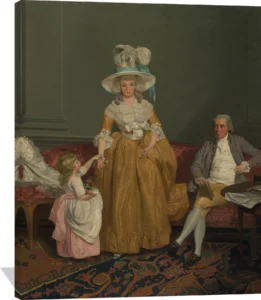
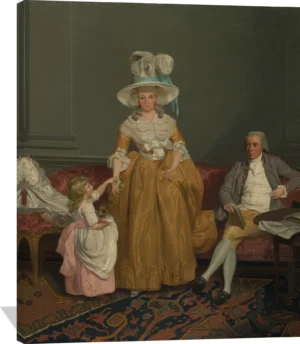
Wheatley worked primarily in the idiom of late‑18th‑century British genre and portrait painting, marked by soft coloration, harmonious composition, and a poised, almost stage-like presentation of figures. His work often reflects the influence of contemporaries in the Royal Academy, blending naturalistic detail with a gently idealized atmosphere.
Notable Contributions
Wheatley is best remembered for his celebrated series The Cries of London, a suite of paintings depicting street vendors engaged in everyday commerce. These images elevated common urban subjects into refined, collectible art, helping to shape a growing taste for picturesque scenes of daily life. His ability to render expressive figures and convey social character made these works enduringly influential.
Subjects and Themes
Although he painted portraits and historical subjects, Wheatley excelled in genre scenes that depicted domestic harmony, civic life, and moments of gentle narrative drama. He frequently explored themes of community, labor, and sentiment, presenting them through balanced compositions and a distinctively graceful narrative touch.
Cultural Significance
Wheatley’s art offers a vivid window into the rhythms and textures of Georgian London. His portrayals of everyday figures artisans, vendors, families capture both the charm and dignity of ordinary experience. Through these works, he contributed meaningfully to the development of British genre painting and remains valued for his sensitive treatment of character and his enduring influence on urban pictorial traditions.