Artistic Style
Alexander’s work is distinguished by its gentle modeling, graceful tonal transitions, and a polished surface that reflects the influence of early nineteenth‑century American and European portrait traditions. His figures often possess a serene presence, with attention to expressive eyes and carefully rendered fabrics. This blend of clarity and softness became a hallmark of his mature style.
Subjects and Themes
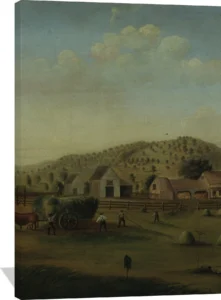
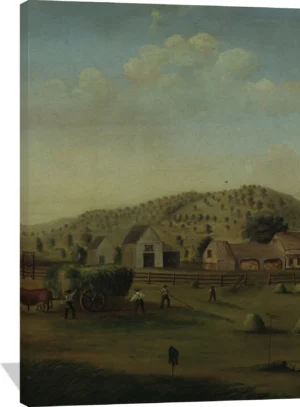
Primarily a portrait painter, Alexander captured prominent cultural figures, intellectuals, and members of fashionable society. His portraits, including the well‑known likeness of the author of Uncle Tom’s Cabin, reveal his talent for portraying individuality without sacrificing aesthetic harmony. He also produced a limited number of genre scenes, yet it was his ability to immortalize character through portraiture that secured his reputation.
Contribution and Significance
Alexander played a meaningful role in shaping early American portraiture, helping establish the genre as both a cultural record and a refined art form. His work reflects a transitional moment in American painting, bridging the more austere early republic style with the richer, more expressive tendencies that followed. Through his sensitive technique and commitment to capturing the human spirit, he contributed to a growing appreciation of portraiture as more than documentation it became an art of presence.
Legacy
Remembered today for his elegant portrayals and for his place within the evolution of nineteenth‑century American art, Francis Alexander’s paintings continue to offer a compelling window into the personalities and social textures of his era. His works remain valued for their refinement, emotional resonance, and enduring artistry.