Artistic Style
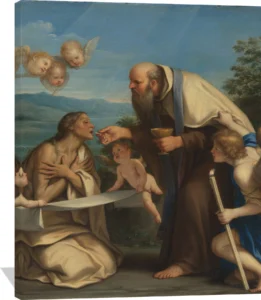
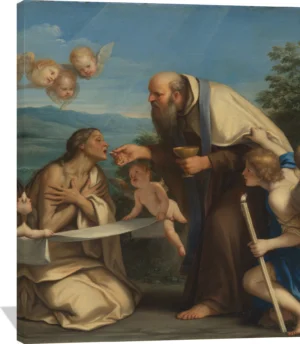
Franceschini’s paintings are characterized by luminous color, poised compositions, and gently idealized figures. His approach reflects a devotion to classical balance, avoiding the dramatic excesses of the High Baroque in favor of a more measured and elegantly restrained aesthetic. Soft contours, polished surfaces, and a calm emotional register distinguish his work, creating a visual language that feels both elevated and accessible.
Subjects and Themes
He specialized in religious and mythological subjects, often portraying saints, angels, and allegorical figures with a refined sense of poise. His treatment of sacred narratives emphasized spiritual grace over theatrical intensity, while his mythological scenes conveyed courtly sophistication. Whether depicting a celestial vision or a classical tale, Franceschini infused his compositions with clarity and gentle monumentality.
Notable Contributions
Working extensively in Bologna and across Italy, Franceschini produced major altarpieces, frescoes, and decorative cycles for churches, noble residences, and international patrons. His contributions to large-scale projects demonstrated his mastery of coherent, balanced storytelling on both intimate and monumental surfaces. His collaborations with renowned patrons further cemented his reputation as a leading interpreter of late Baroque classicism.
Legacy
Marcantonio Franceschini’s influence endures through the serene beauty and refined craftsmanship of his oeuvre. His work embodies the classical dimension of the Bolognese tradition, offering a vision of the Baroque that is contemplative, harmonious, and timeless. Today he is celebrated for his ability to unite technical finesse with an understated, enduring sense of grace.