Artistic Style
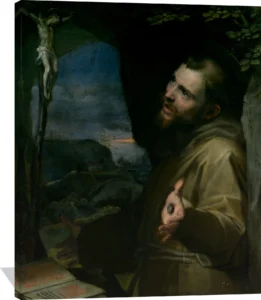
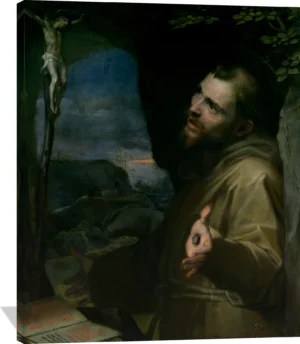
Barocci is renowned for his radiant palette, delicate modeling of light, and harmonious interplay of gesture and gaze. His paintings often reveal a subtle, atmospheric softness that makes figures appear both vivid and ethereal. These qualities helped shape the transition toward the emerging Baroque sensibility, particularly through his use of dynamic diagonals and compelling emotional resonance.
Subjects and Themes
While he worked across genres, Barocci is most celebrated for his devotional works and altarpieces. His portrayals of the Virgin and Child, saints, and scenes from the life of Christ are marked by tenderness and human warmth. Even in narrative settings, he emphasized empathy and inner life, inviting viewers into a contemplative experience rather than a purely dramatic one.
Legacy and Significance
Barocci’s influence extended across Italy, inspiring artists who sought a balance between Renaissance clarity and the emerging vigor of the Baroque. His meticulous preparatory studies, including pastels and oil sketches, reflect a deep commitment to natural observation and emotional truth. Today, he is recognized as a pivotal figure whose art embodies the graceful shift from Renaissance refinement to the expressive force of the seventeenth century, a legacy that continues to shape the appreciation of this transformative artistic era.