Diana and Cupid
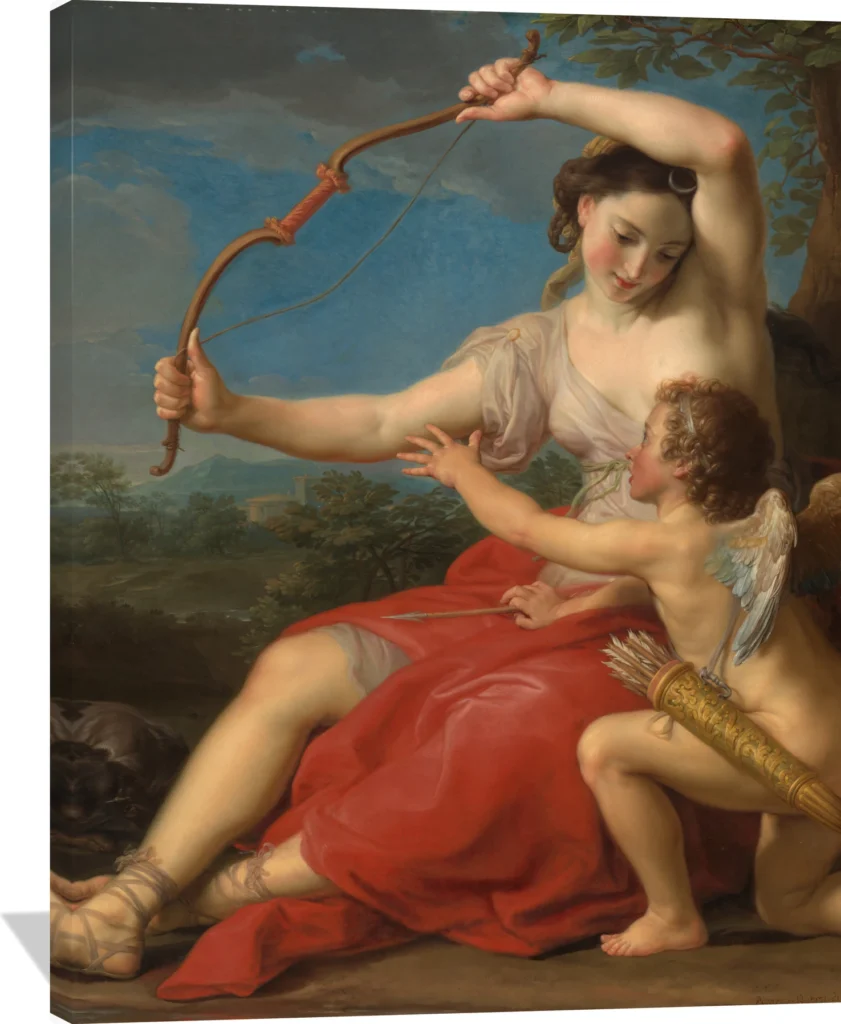
The Pompeo Batoni Diana and Cupid canvas captures a tender mythological moment rendered in luminous tones of rose, ivory, and soft gold. Batoni’s masterful neoclassical style infuses the scene with grace and serenity, as the goddess Diana and the playful Cupid share a gentle exchange beneath a tranquil sky. The balanced composition and warm palette create an atmosphere of harmony and timeless beauty.
This exquisite wall art brings refined elegance to any interior—perfect for a living room, study, or entryway seeking a touch of classical sophistication. A Pompeo Batoni Diana and Cupid canvas print transforms your space with the poise and romance of 18th‑century Italian artistry.
Pompeo Batoni (Italian, Lucca 1708–1787 Rome) was one of the most sought-after painters of the eighteenth century, admired for his refined technique and the graceful clarity of his compositions. Active primarily in Rome, he became the preferred portraitist for European aristocrats undertaking the Grand Tour, capturing their likenesses with a balance of elegance, psychological insight, and polished detail.
Artistic Style
Batoni’s work blends late Baroque richness with the harmony and restraint of early Neoclassicism. His portraits are distinguished by their luminous color, immaculate draftsmanship, and a masterful rendering of fabrics, textures, and expressive features. He often placed sitters against classical architectural settings or near symbolic objects, giving his works both visual grandeur and intellectual depth.
Subjects and Contributions
Although best known for his portraits, Batoni also produced altarpieces and mythological compositions, showing his versatility across religious and secular themes. His Grand Tour portraits became a cultural phenomenon, setting a new standard for the genre and influencing generations of European portraiture. Many works feature subtle narrative elements, blending personal identity with classical heritage.
Cultural Significance
Regarded as the leading portrait painter in Rome during his lifetime, Batoni played a pivotal role in shaping the visual legacy of eighteenth-century European society. His ability to merge naturalistic representation with a refined classical sensibility made his paintings enduring symbols of sophistication and intellectual aspiration. Today, his works remain celebrated for their precision, elegance, and the unique window they offer into the cultural world of the Grand Tour.
Trust & policies
- 🚚 Free worldwide shipping
- 🔁 30-day returns (change of mind)
- 🛡️ If damaged/defective/misprinted: free replacement or full refund
- 🌍 Printed in US/CA/EU/UK/AU (based on delivery location)
- 💎 Made to order using acid-free, fade-resistant canvas
- 💎 Solid wood stretcher bars • Pine floating frames
- 🪝 Ready to hang

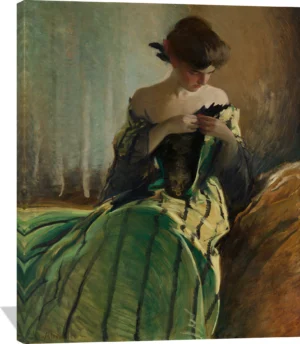
Study in Green and Black
John White AlexanderCanvas from
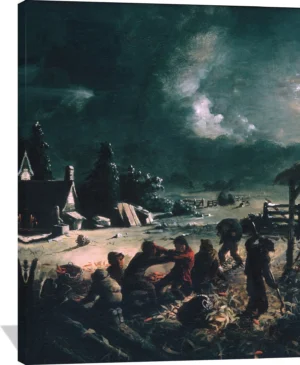
142,00 leiSelect options This product has multiple variants. The options may be chosen on the product pageCorn Husking
David Gilmour BlytheCanvas from
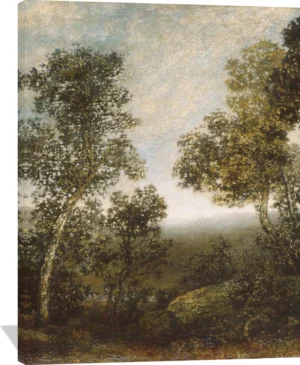
147,00 leiSelect options This product has multiple variants. The options may be chosen on the product pageLandscape
Ralph Albert BlakelockCanvas from
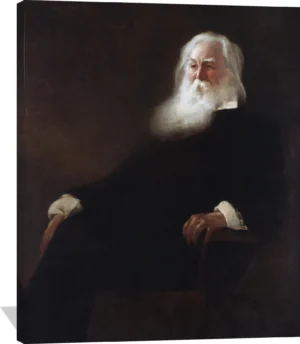
147,00 leiSelect options This product has multiple variants. The options may be chosen on the product pageWalt Whitman
John White AlexanderCanvas from
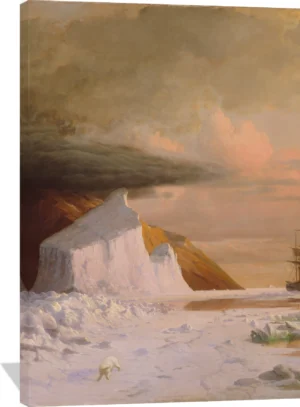
142,00 leiSelect options This product has multiple variants. The options may be chosen on the product pageAn Arctic Summer: Boring Through the Pack in Melville Bay
William BradfordCanvas from
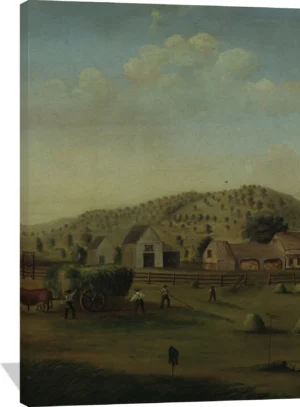
222,00 leiSelect options This product has multiple variants. The options may be chosen on the product pageLeete Farm, West Claremont, New Hampshire
Francis AlexanderCanvas from
222,00 leiSelect options This product has multiple variants. The options may be chosen on the product pageJanet Halleck Drake
Henry InmanCanvas from
142,00 leiSelect options This product has multiple variants. The options may be chosen on the product pageJames Badger
Joseph BadgerCanvas from
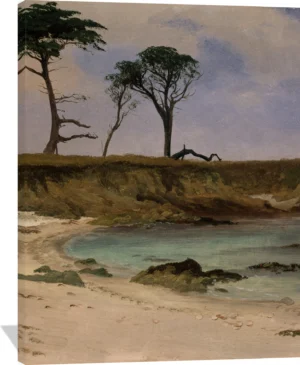
142,00 leiSelect options This product has multiple variants. The options may be chosen on the product pageSea Cove
Albert BierstadtCanvas from
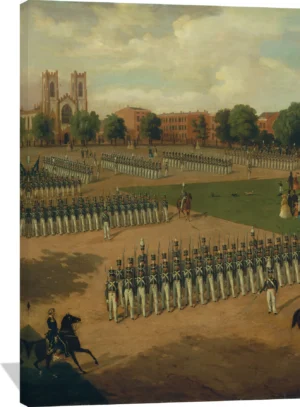
147,00 leiSelect options This product has multiple variants. The options may be chosen on the product pageSeventh Regiment on Review, Washington Square, New York
Otto BoetticherCanvas from
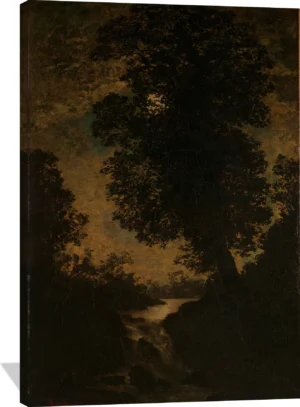
222,00 leiSelect options This product has multiple variants. The options may be chosen on the product pageA Waterfall, Moonlight
Ralph Albert BlakelockCanvas from
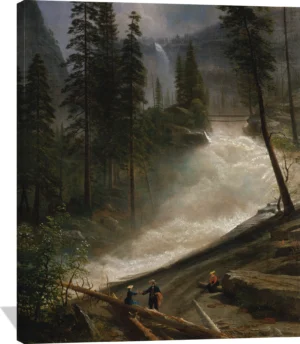
222,00 leiSelect options This product has multiple variants. The options may be chosen on the product pageNevada Falls, Yosemite
Albert BierstadtCanvas from
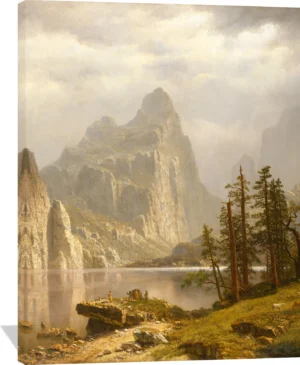
142,00 leiSelect options This product has multiple variants. The options may be chosen on the product pageMerced River, Yosemite Valley
Albert BierstadtCanvas from
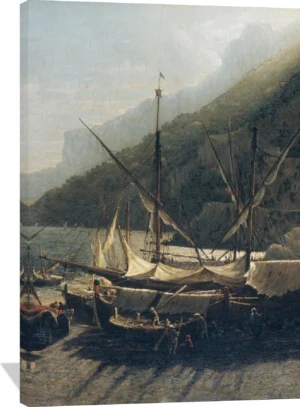
147,00 leiSelect options This product has multiple variants. The options may be chosen on the product pageView at Amalfi, Bay of Salerno
George Loring BrownCanvas from
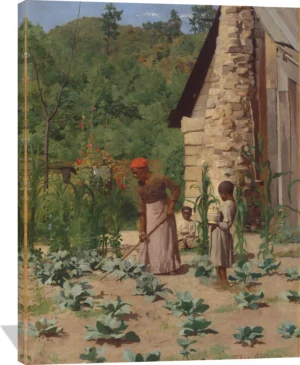
222,00 leiSelect options This product has multiple variants. The options may be chosen on the product pageThe Way They Live
Thomas AnshutzCanvas from
147,00 leiSelect options This product has multiple variants. The options may be chosen on the product pagePhilip Van Cortlandt
Ezra AmesCanvas from
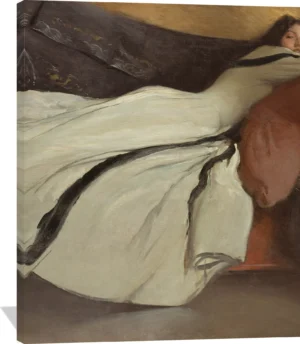
142,00 leiSelect options This product has multiple variants. The options may be chosen on the product pageRepose
John White AlexanderCanvas from
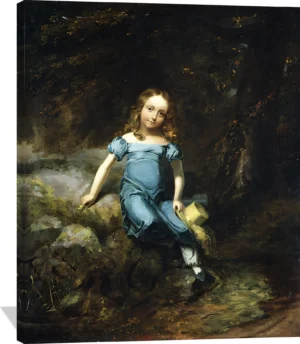
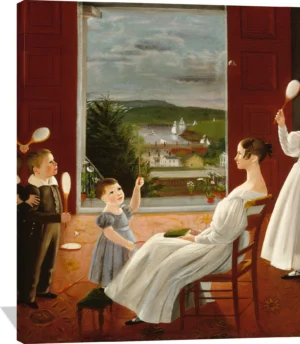
142,00 leiSelect options This product has multiple variants. The options may be chosen on the product pageThe Children of Nathan Starr
Ambrose AndrewsCanvas from
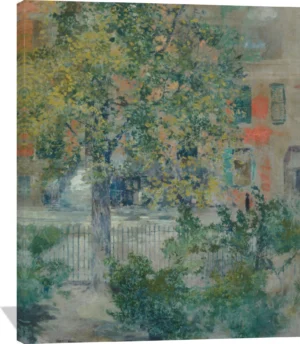
142,00 leiSelect options This product has multiple variants. The options may be chosen on the product pageView from the Artist’s Window, Grove Street
Robert Frederick BlumCanvas from
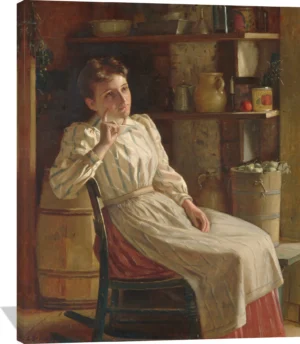
142,00 leiSelect options This product has multiple variants. The options may be chosen on the product pageMeditation
John George BrownCanvas from
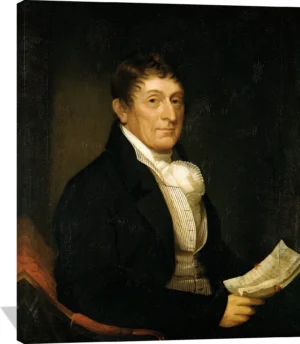
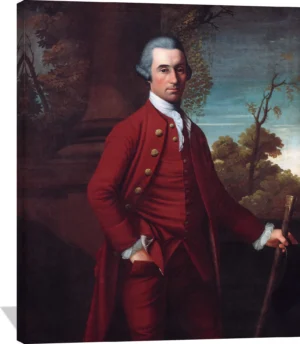
142,00 leiSelect options This product has multiple variants. The options may be chosen on the product pagePortrait of a Gentleman
Henry BenbridgeCanvas from
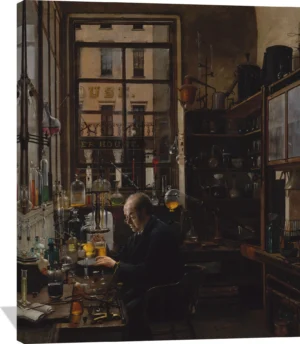
142,00 leiSelect options This product has multiple variants. The options may be chosen on the product pageIn the Laboratory
Henry AlexanderCanvas from
142,00 leiSelect options This product has multiple variants. The options may be chosen on the product page
Explore Animals
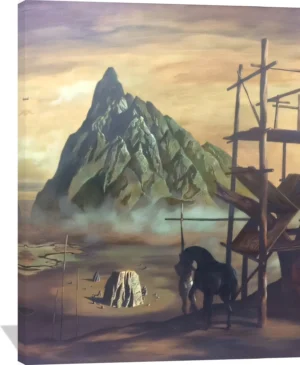
The Black Horse
John AthertonCanvas from
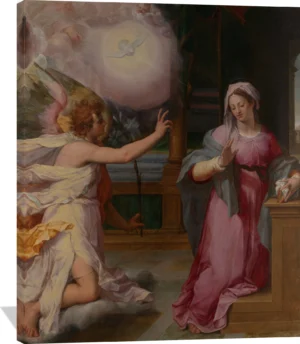
147,00 leiSelect options This product has multiple variants. The options may be chosen on the product pageThe Annunciation
Peter Candid (Pieter de Witte, Pietro Candido)Canvas from
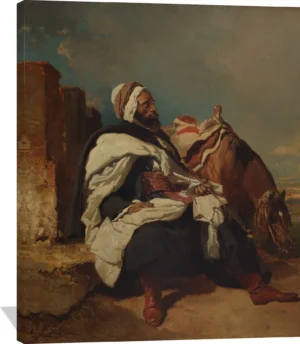
142,00 leiSelect options This product has multiple variants. The options may be chosen on the product pageSeated Arab Man with Horse
Alfred DedreuxCanvas from
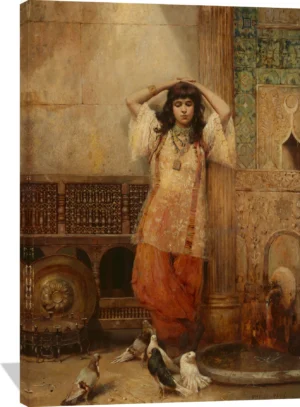
142,00 leiSelect options This product has multiple variants. The options may be chosen on the product pageGirl in a Courtyard, Algiers (formerly Courtyard in Tangier)
Philippe PavyCanvas from
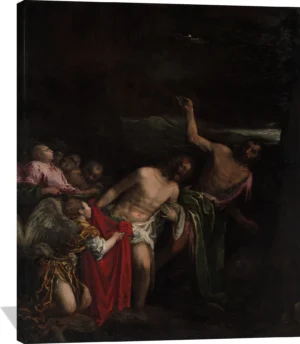
222,00 leiSelect options This product has multiple variants. The options may be chosen on the product pageThe Baptism of Christ
Jacopo Bassano (Jacopo da Ponte)Canvas from
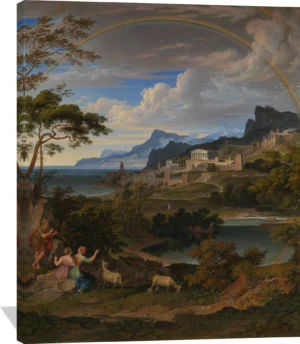
142,00 leiSelect options This product has multiple variants. The options may be chosen on the product pageHeroic Landscape with Rainbow
Joseph Anton KochCanvas from
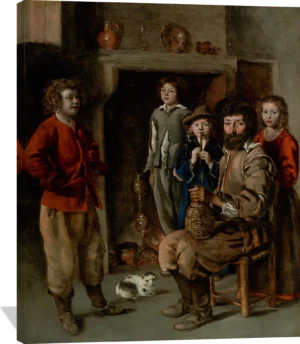
142,00 leiSelect options This product has multiple variants. The options may be chosen on the product pageA Peasant Family
Antoine Le NainCanvas from
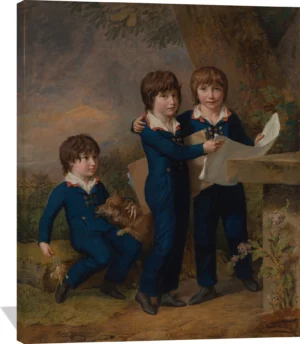
142,00 leiSelect options This product has multiple variants. The options may be chosen on the product pageThe Children of Martin Anton Heckscher: Johann Gustav Wilhelm Moritz (1797–1865), Carl Martin Adolph (1796–1850), and Leopold (born 1792)
Johann Heinrich Wilhelm TischbeinCanvas from
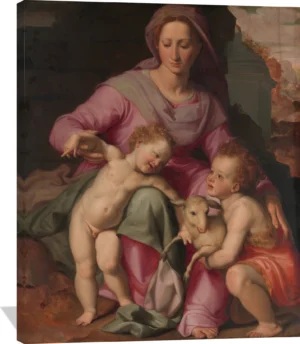
142,00 leiSelect options This product has multiple variants. The options may be chosen on the product pageMadonna and Child with the Infant Saint John the Baptist
Santi di TitoCanvas from
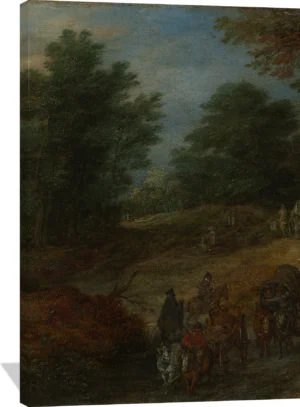
142,00 leiSelect options This product has multiple variants. The options may be chosen on the product pageLandscape with Travelers on a Woodland Path
Jan Brueghel the ElderCanvas from
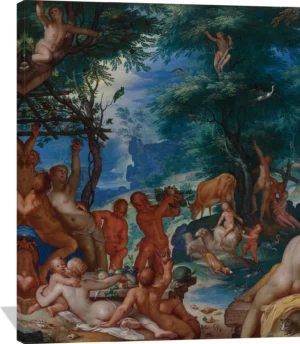
222,00 leiSelect options This product has multiple variants. The options may be chosen on the product pageThe Golden Age
Joachim WtewaelCanvas from
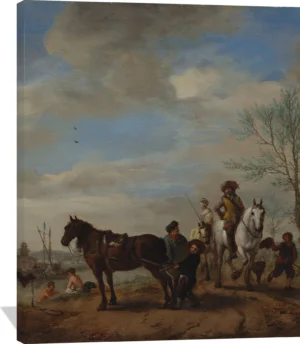
142,00 leiSelect options This product has multiple variants. The options may be chosen on the product pageA Man and a Woman on Horseback
Philips WouwermanCanvas from
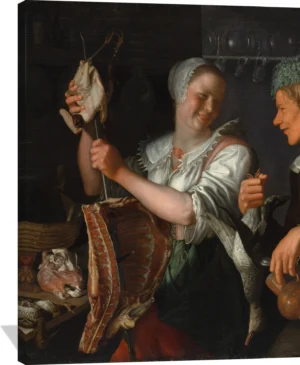
142,00 leiSelect options This product has multiple variants. The options may be chosen on the product pageKitchen Scene
Peter WtewaelCanvas from
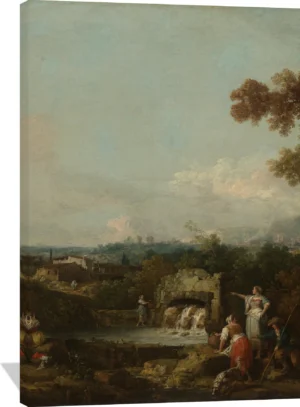
147,00 leiSelect options This product has multiple variants. The options may be chosen on the product pageLandscape with Peasants at a Fountain
Francesco ZuccarelliCanvas from
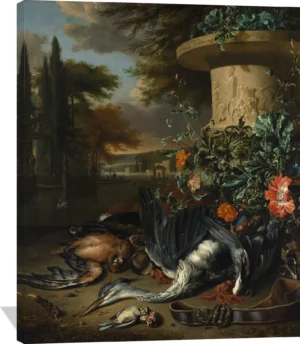
222,00 leiSelect options This product has multiple variants. The options may be chosen on the product pageGamepiece with a Dead Heron
Jan WeenixCanvas from
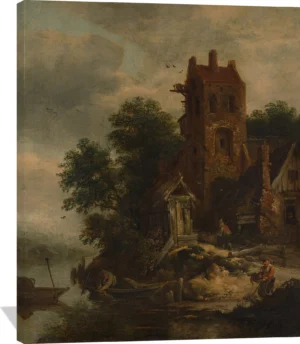
142,00 leiSelect options This product has multiple variants. The options may be chosen on the product pageThe Pigeon House
Roelof van VriesCanvas from
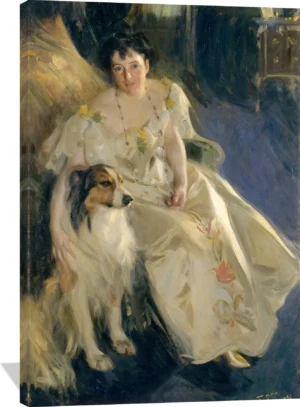
142,00 leiSelect options This product has multiple variants. The options may be chosen on the product pageMrs. Walter Rathbone Bacon (Virginia Purdy Barker, 1862–1919)
Anders ZornCanvas from
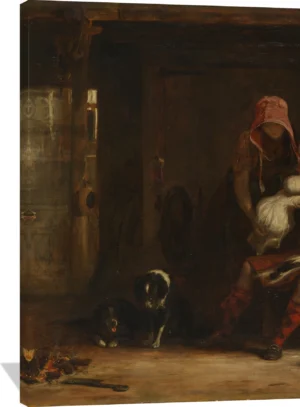
222,00 leiSelect options This product has multiple variants. The options may be chosen on the product pageThe Highland Family
Sir David WilkieCanvas from
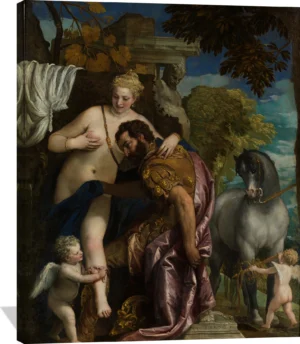
222,00 leiSelect options This product has multiple variants. The options may be chosen on the product pageMars and Venus United by Love
Paolo Veronese (Paolo Caliari)Canvas from
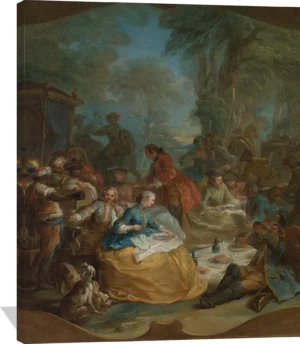
142,00 leiSelect options This product has multiple variants. The options may be chosen on the product pageHalt of the Hunt
Carle (Charles André) VanlooCanvas from
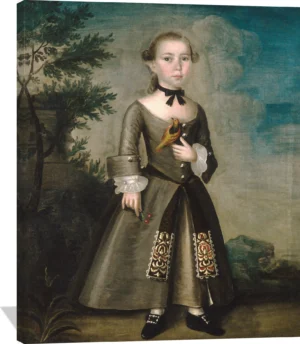
142,00 leiSelect options This product has multiple variants. The options may be chosen on the product pagePortrait of a Boy with a Falcon
Wallerant VaillantCanvas from
142,00 leiSelect options This product has multiple variants. The options may be chosen on the product page
Explore Rococo
Still Life with a Vase of Flowers, Melon, Peaches, and Grapes
Charlotte Eustache Sophie de Fuligny Damas, marquise de GrollierCanvas from
142,00 leiSelect options This product has multiple variants. The options may be chosen on the product pageMedea Rejuvenating Aeson
Corrado GiaquintoCanvas from
142,00 leiSelect options This product has multiple variants. The options may be chosen on the product pageSelf-Portrait
Anton Raphael MengsCanvas from
142,00 leiSelect options This product has multiple variants. The options may be chosen on the product pageThe Servant Justified
Nicolas LancretCanvas from
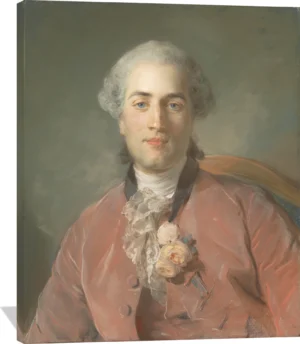
142,00 leiSelect options This product has multiple variants. The options may be chosen on the product pageOlivier Journu (1724–1783)
Jean-Baptiste PerronneauCanvas from
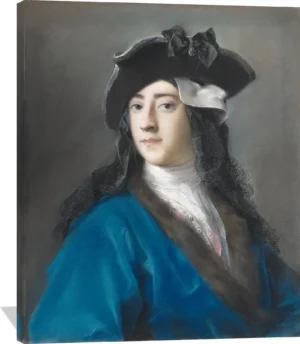
142,00 leiSelect options This product has multiple variants. The options may be chosen on the product pageGustavus Hamilton (1710–1746), Second Viscount Boyne, in Masquerade Costume
Rosalba CarrieraCanvas from
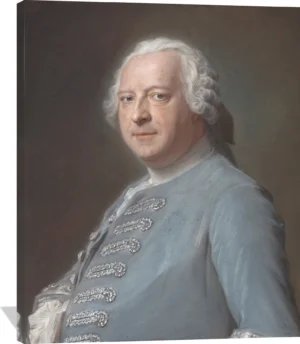
142,00 leiSelect options This product has multiple variants. The options may be chosen on the product pageJean Charles Garnier d’Isle (1697–1755)
Maurice Quentin de La TourCanvas from
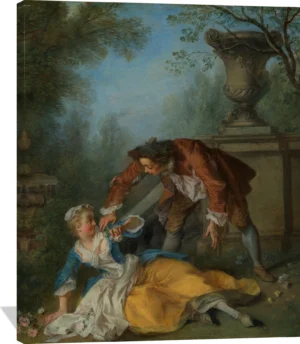
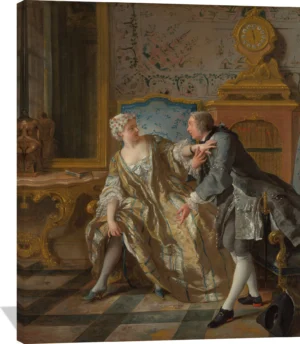
142,00 leiSelect options This product has multiple variants. The options may be chosen on the product pageThe Garter
Jean François de TroyCanvas from
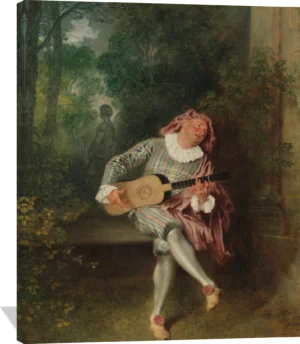
142,00 leiSelect options This product has multiple variants. The options may be chosen on the product pageMezzetin
Antoine WatteauCanvas from
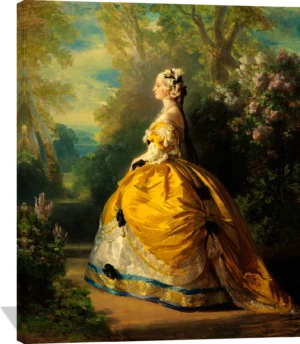
142,00 leiSelect options This product has multiple variants. The options may be chosen on the product pageThe Empress Eugénie (Eugénie de Montijo, 1826–1920, Condesa de Teba)
Franz Xaver WinterhalterCanvas from
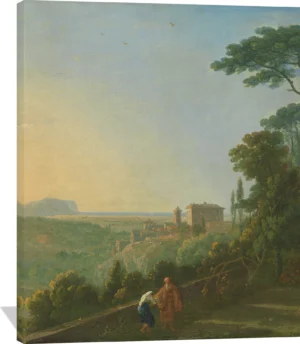
142,00 leiSelect options This product has multiple variants. The options may be chosen on the product pageLake Nemi and Genzano from the Terrace of the Capuchin Monastery
Richard WilsonCanvas from
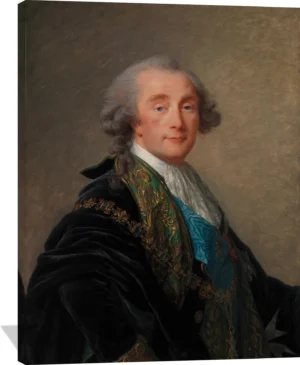
142,00 leiSelect options This product has multiple variants. The options may be chosen on the product pageAlexandre Charles Emmanuel de Crussol-Florensac (1743–1815)
Elisabeth Louise Vigée Le BrunCanvas from
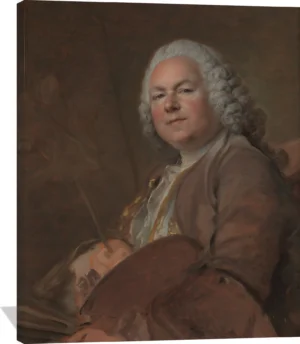
147,00 leiSelect options This product has multiple variants. The options may be chosen on the product pageJean Marc Nattier (1685–1766)
Louis TocquéCanvas from
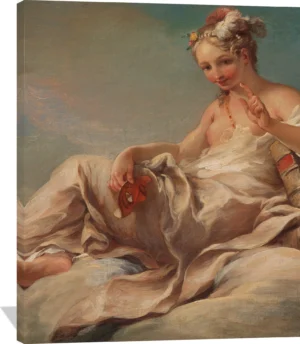
142,00 leiSelect options This product has multiple variants. The options may be chosen on the product pageComedy
Pierre Charles TrémolièresCanvas from
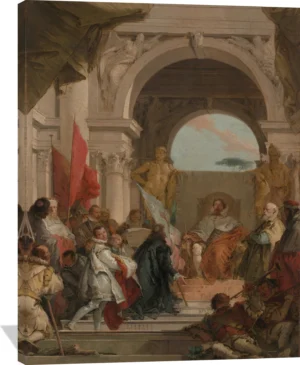
142,00 leiSelect options This product has multiple variants. The options may be chosen on the product pageThe Investiture of Bishop Harold as Duke of Franconia
Giovanni Battista TiepoloCanvas from
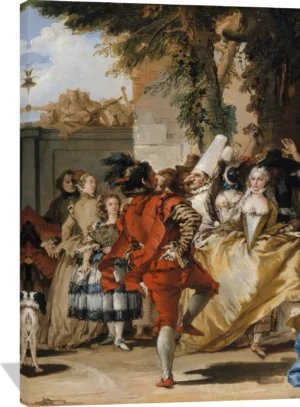
147,00 leiSelect options This product has multiple variants. The options may be chosen on the product pageA Dance in the Country
Giovanni Domenico TiepoloCanvas from
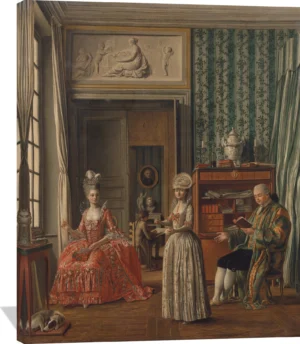
222,00 leiSelect options This product has multiple variants. The options may be chosen on the product pageDomestic Scene
German PainterCanvas from
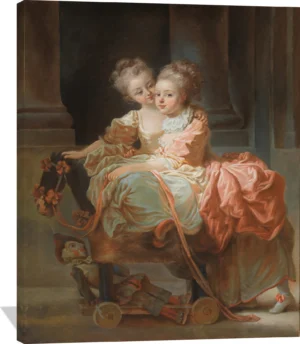
142,00 leiSelect options This product has multiple variants. The options may be chosen on the product pageThe Two Sisters
Jean Claude Richard, Abbé de Saint-NonCanvas from
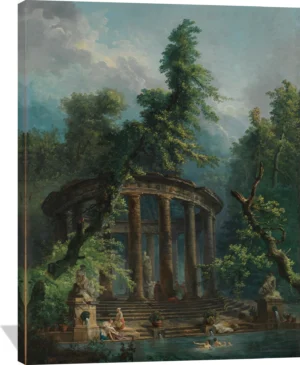
142,00 leiSelect options This product has multiple variants. The options may be chosen on the product pageThe Bathing Pool
Hubert RobertCanvas from
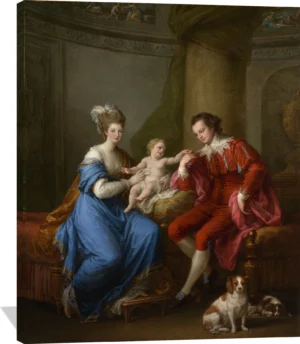
147,00 leiSelect options This product has multiple variants. The options may be chosen on the product pageEdward Smith Stanley (1752–1834), Twelfth Earl of Derby, Elizabeth, Countess of Derby (Lady Elizabeth Hamilton, 1753–1797), and Their Son (Edward Smith Stanley, 1775–1851)
Angelica KauffmannCanvas from
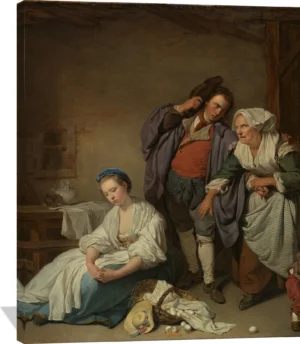
142,00 leiSelect options This product has multiple variants. The options may be chosen on the product pageBroken Eggs
Jean-Baptiste GreuzeCanvas from
142,00 leiSelect options This product has multiple variants. The options may be chosen on the product page
Explore Mammals
The Start of the Race of the Riderless Horses
Horace VernetCanvas from
142,00 leiSelect options This product has multiple variants. The options may be chosen on the product pageAbraham’s Parting from the Family of Lot
Jan VictorsCanvas from
142,00 leiSelect options This product has multiple variants. The options may be chosen on the product pageGoing to Market
Constant TroyonCanvas from
142,00 leiSelect options This product has multiple variants. The options may be chosen on the product pageSaint Margaret of Cortona
Gaspare TraversiCanvas from
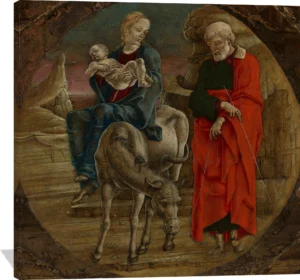
147,00 leiSelect options This product has multiple variants. The options may be chosen on the product pageThe Flight into Egypt
Cosmè Tura (Cosimo di Domenico di Bonaventura)Canvas from
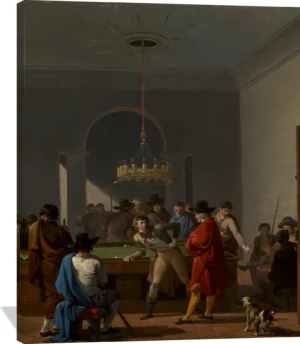
195,00 leiSelect options This product has multiple variants. The options may be chosen on the product pageThe Billiard Room
Nicolas Antoine TaunayCanvas from
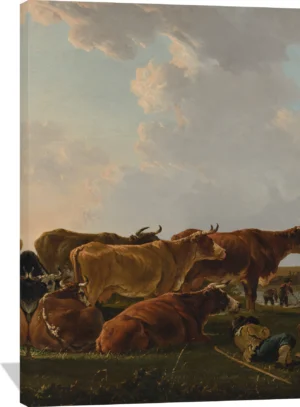
142,00 leiSelect options This product has multiple variants. The options may be chosen on the product pageLandscape with Cattle
Jacob van StrijCanvas from
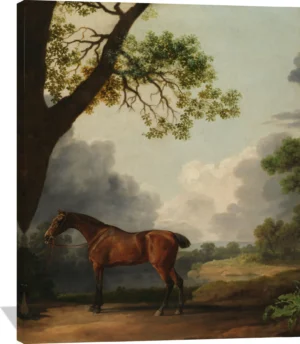
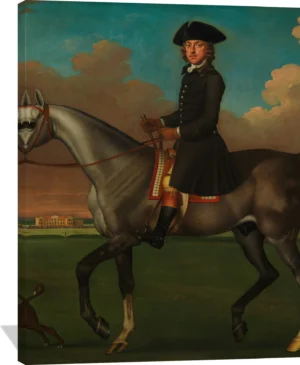
142,00 leiSelect options This product has multiple variants. The options may be chosen on the product pageThe Third Duke of Dorset’s Hunter with a Groom and a Dog
George StubbsCanvas from
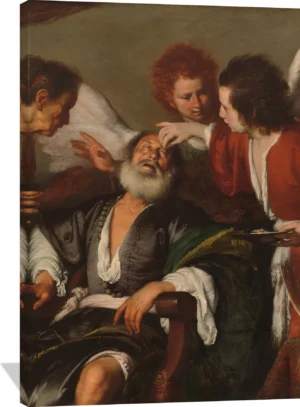
142,00 leiSelect options This product has multiple variants. The options may be chosen on the product pageTobias Curing His Father’s Blindness
Bernardo StrozziCanvas from
222,00 leiSelect options This product has multiple variants. The options may be chosen on the product pagePortrait of a Horseman
James SeymourCanvas from
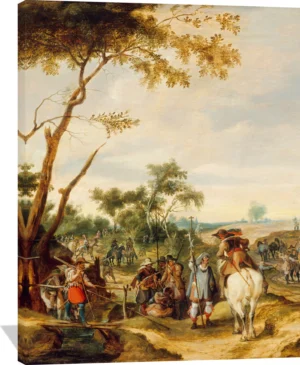
147,00 leiSelect options This product has multiple variants. The options may be chosen on the product pageSoldiers Bivouacking
Pieter SnayersCanvas from
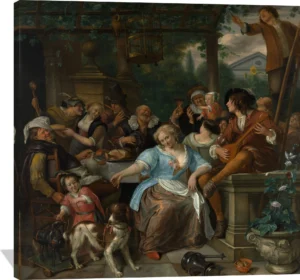
147,00 leiSelect options This product has multiple variants. The options may be chosen on the product pageMerry Company on a Terrace
Jan SteenCanvas from
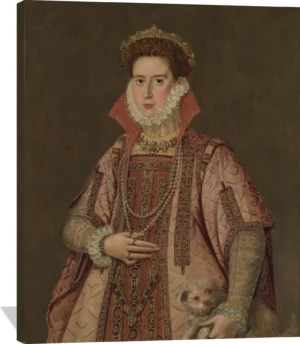
195,00 leiSelect options This product has multiple variants. The options may be chosen on the product pagePortrait of a Woman
Rolán de MoysCanvas from
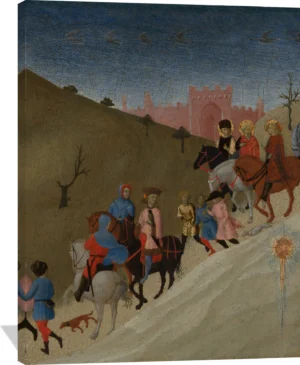
142,00 leiSelect options This product has multiple variants. The options may be chosen on the product pageThe Journey of the Magi
Sassetta (Stefano di Giovanni)Canvas from
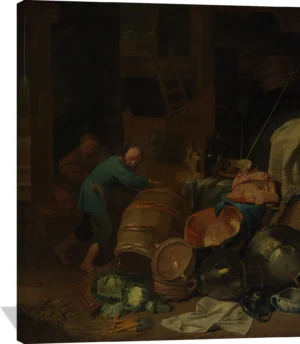
147,00 leiSelect options This product has multiple variants. The options may be chosen on the product pageRustic Interior
David Ryckaert IIICanvas from
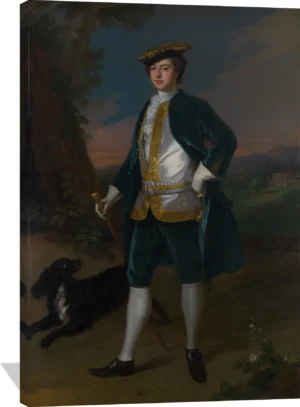
142,00 leiSelect options This product has multiple variants. The options may be chosen on the product pageSir James Dashwood (1715–1779)
Enoch Seeman the YoungerCanvas from
222,00 leiSelect options This product has multiple variants. The options may be chosen on the product pageLost: Souvenir of Auvergne
August Friedrich Albrecht SchenckCanvas from
222,00 leiSelect options This product has multiple variants. The options may be chosen on the product pageMarket by the Seashore
Salomon van RuysdaelCanvas from
222,00 leiSelect options This product has multiple variants. The options may be chosen on the product pagePallas Athena and the Herdsman’s Dogs
Briton RiviereCanvas from
222,00 leiSelect options This product has multiple variants. The options may be chosen on the product pageFishing
Edouard ManetCanvas from
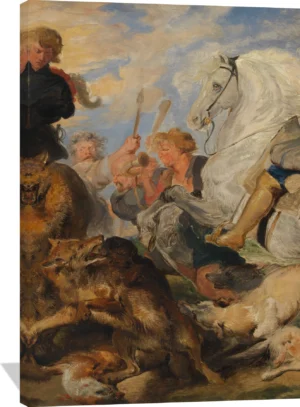
222,00 leiSelect options This product has multiple variants. The options may be chosen on the product pageCopy after Rubens’s “Wolf and Fox Hunt”
Sir Edwin Henry LandseerCanvas from
222,00 leiSelect options This product has multiple variants. The options may be chosen on the product page