Artistic Style and Approach
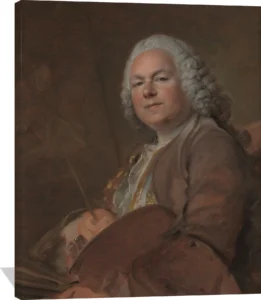
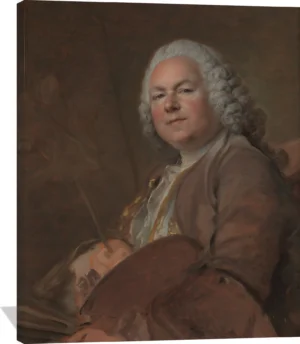
Tocqué’s work is marked by polished surfaces, soft lighting, and harmonious color palettes that exemplify the sophistication of French courtly taste. His portraits balance subtle idealization with meticulous realism, capturing the textures of fabrics, the shimmer of jewels, and the expressive nuances of his sitters. Through these qualities, he created images that were not only visually sumptuous but also psychologically engaging.
Notable Contributions
Celebrated for portraying members of the French aristocracy and European nobility, Tocqué helped define the visual language of high society in the mid‑18th century. His commissions included queens, diplomats, and intellectuals, cementing his reputation as a master of formal portraiture. Works such as his portraits of Louis XV and Empress Elizabeth of Russia became influential models for contemporary and later artists.
Subjects and Themes
Tocqué specialized in grand, full‑length portraits as well as refined bust‑length depictions that emphasized grace, dignity, and social stature. His sitters are often shown in luxurious attire, placed within subtly articulated interiors or neutral backgrounds that highlight their presence. Even as he celebrated status and elegance, Tocqué infused his portraits with a sense of humanity that distinguished his oeuvre.
Cultural and Historical Significance
Through his sophisticated technique and keen observational skill, Tocqué contributed significantly to the visual identity of the Enlightenment era. His mastery of aristocratic portraiture influenced artists across Europe, and his work remains an important reference for understanding the aesthetics and social structures of 18th‑century France. Today, Tocqué is recognized for his ability to merge artistic refinement with an enduring sensitivity to the individuals he portrayed.