Artistic Style
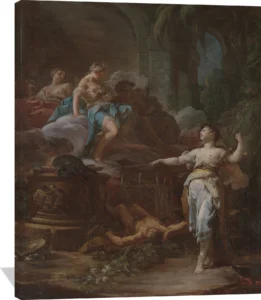
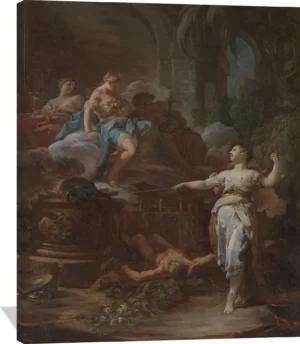
Giaquinto’s work blends the drama of the Baroque with the delicacy of Rococo, resulting in paintings characterized by radiant palettes, airy atmospheres, and sweeping, dynamic forms. His figures often appear weightless, animated by soft contours and shimmering tonal transitions that create an otherworldly, uplifting visual experience. This distinctive fusion positioned him as a key voice in the evolution of eighteenth-century Italian painting.
Subjects and Themes
Renowned for large-scale religious frescoes and altarpieces, Giaquinto depicted sacred narratives with emotional resonance and celestial splendor. He also produced refined mythological scenes, where deities and allegorical figures are rendered with a poetic elegance. Works such as The Immaculate Conception and The Triumph of Galatea exemplify his gift for transforming traditional subjects into vibrant, immersive visions.
Legacy and Significance
Giaquinto’s career culminated in prestigious commissions, including his tenure as a court painter in Madrid, where his decorative cycles enriched major royal residences. His influence extended through both his artworks and his role as a mentor to younger painters, contributing to the spread of a more graceful, coloristic aesthetic across Europe. Today, he is remembered for his exquisite command of color and for elevating devotional and mythological imagery with refined emotional nuance, securing his place as one of the era’s most captivating artistic voices.