Artistic Style and Approach
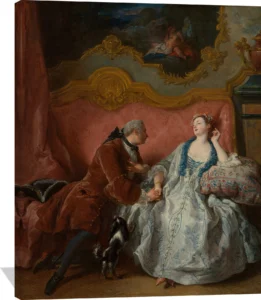
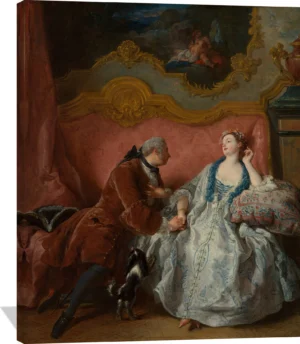
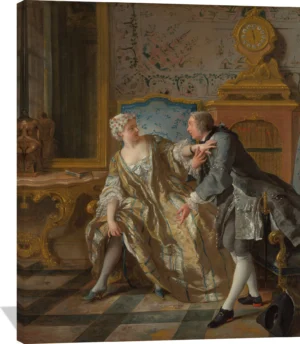
De Troy’s work is defined by a luminous palette, fluid brushwork, and a mastery of visual storytelling. His compositions often balance spontaneous movement with carefully constructed elegance. A pioneer of the tableaux de mode, he captured fashionable society with an engaging blend of sophistication and naturalism. His history paintings display a similar vitality, transforming classical and biblical narratives into vivid, emotionally charged scenes.
Notable Subjects and Themes
His subjects range from intimate domestic episodes to grand mythological cycles. De Troy brought particular finesse to depictions of aristocratic leisure, portraying costume, gesture, and decor with exceptional clarity. In Rome, where he served as director of the French Academy, he created ambitious series on classical themes, demonstrating his ability to infuse traditional subjects with contemporary elegance.
Cultural and Historical Significance
Jean François de Troy occupied a pivotal place in eighteenth‑century French art, shaping the visual language of Rococo while maintaining ties to the academic traditions of the Grand Manner. His innovations in genre and narrative painting influenced a generation of artists and contributed to a broader cultural shift toward scenes of refined sociability. Today, his works are recognized for their distinctive blend of grace, theatricality, and psychological insight, offering a compelling window into the artistic and social life of his era.