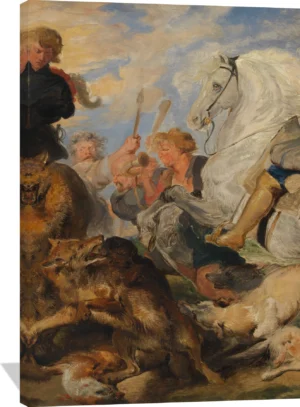
Wolf and Fox Hunt
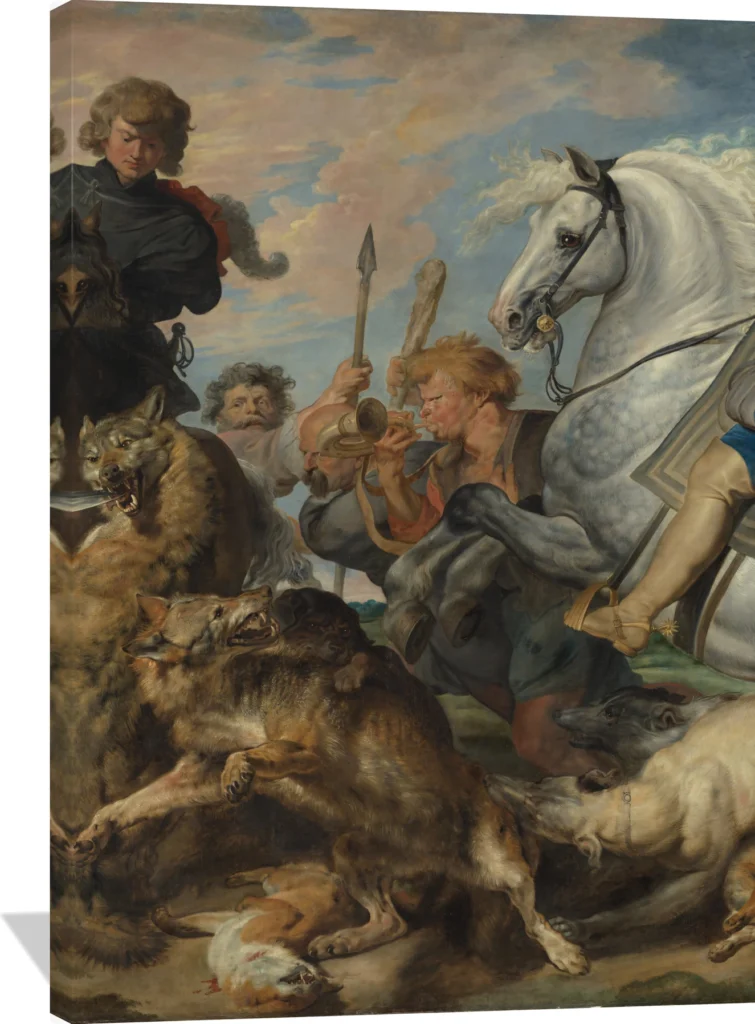
Peter Paul Rubens’ Wolf and Fox Hunt canvas captures the thrilling energy and grandeur of the Baroque era. Dynamic movement, vivid naturalism, and masterful contrasts of light and shadow bring this dramatic hunting scene to life. Dominated by earthy browns, deep reds, silvery grays, and sky blues, the composition radiates power and motion while maintaining Rubens’ signature elegance.
This museum-quality canvas print adds a bold statement to any space—perfect for a study, living room, or entryway seeking timeless sophistication. The Wolf and Fox Hunt wall art embodies the intensity of nature and the artistry of one of Flanders’ greatest masters, transforming your walls into a gallery of classic refinement.
Peter Paul Rubens (Flemish, Siegen 1577–1640 Antwerp) stands as one of the most influential painters of the Baroque era, celebrated for his dynamic compositions, luminous color, and expressive, energetic brushwork. His workshop in Antwerp became a center of artistic innovation, attracting patrons from across Europe and shaping the visual culture of the seventeenth century.
Artistic Style
Rubens is renowned for his distinctive blend of dramatic movement, sensuality, and emotional intensity. His mastery of color and form resulted in sweeping, theatrical scenes that feel vibrantly alive. Characterized by robust figures, rich textures, and a powerful sense of motion, his style helped define the visual language of the Baroque and influenced generations of artists.
Subjects and Themes
His work spans an impressive range, including mythological narratives, religious altarpieces, portraits, and courtly allegories. Rubens frequently portrayed classical heroes, divine beings, and complex historical episodes with a compelling human presence. Whether depicting the grandeur of a mythic drama or the intimacy of a devotional scene, he infused each composition with depth and immediacy.
Legacy and Significance
As both an accomplished painter and a diplomat, Rubens played a significant role in the cultural and political landscape of his time. His prolific output, international prestige, and innovative workshop practices established him as a central figure in European art. Today, he is revered for his ability to merge intellectual sophistication with visual exuberance, securing his place as a master of the Baroque and a defining force in Western art history.
Trust & policies
- 🚚 Free worldwide shipping
- 🔁 30-day returns (change of mind)
- 🛡️ If damaged/defective/misprinted: free replacement or full refund
- 🌍 Printed in US/CA/EU/UK/AU (based on delivery location)
- 💎 Made to order using acid-free, fade-resistant canvas
- 💎 Solid wood stretcher bars • Pine floating frames
- 🪝 Ready to hang

Shipwreck off Nantucket (Wreck off Nantucket after a Storm)
William BradfordCanvas from
222,00 leiSelect options This product has multiple variants. The options may be chosen on the product pageWalt Whitman
John White AlexanderCanvas from
142,00 leiSelect options This product has multiple variants. The options may be chosen on the product pageAfter a Long Cruise
John CarlinCanvas from
222,00 leiSelect options This product has multiple variants. The options may be chosen on the product pageMeditation
John George BrownCanvas from
142,00 leiSelect options This product has multiple variants. The options may be chosen on the product pageIn the Laboratory
Henry AlexanderCanvas from
142,00 leiSelect options This product has multiple variants. The options may be chosen on the product pageNevada Falls, Yosemite
Albert BierstadtCanvas from
142,00 leiSelect options This product has multiple variants. The options may be chosen on the product pageAdult Funeral Procession
William P. ChappelCanvas from
222,00 leiSelect options This product has multiple variants. The options may be chosen on the product pageMary Sylvester
Joseph BlackburnCanvas from
142,00 leiSelect options This product has multiple variants. The options may be chosen on the product pageSea Cove
Albert BierstadtCanvas from
147,00 leiSelect options This product has multiple variants. The options may be chosen on the product pageJanet Halleck Drake
Henry InmanCanvas from
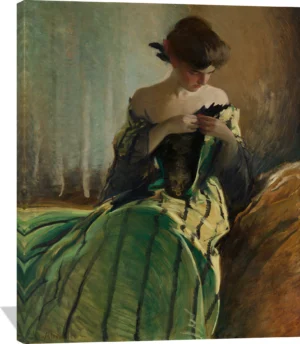
142,00 leiSelect options This product has multiple variants. The options may be chosen on the product pageStudy in Green and Black
John White AlexanderCanvas from
142,00 leiSelect options This product has multiple variants. The options may be chosen on the product pagePhilip Van Cortlandt
Ezra AmesCanvas from
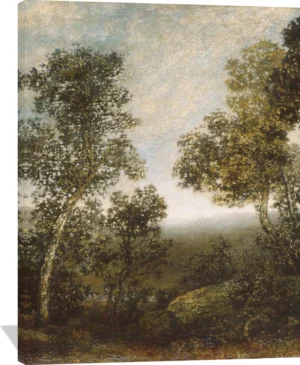
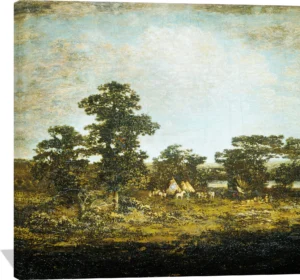
142,00 leiSelect options This product has multiple variants. The options may be chosen on the product pageLandscape
Ralph Albert BlakelockCanvas from
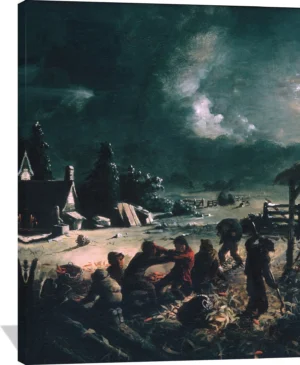
147,00 leiSelect options This product has multiple variants. The options may be chosen on the product pageCorn Husking
David Gilmour BlytheCanvas from
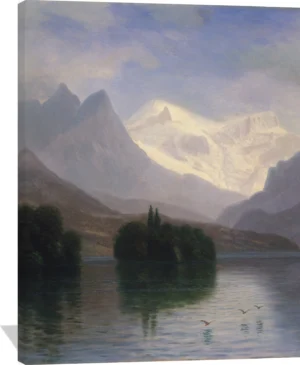
147,00 leiSelect options This product has multiple variants. The options may be chosen on the product pageMountain Scene
Albert BierstadtCanvas from
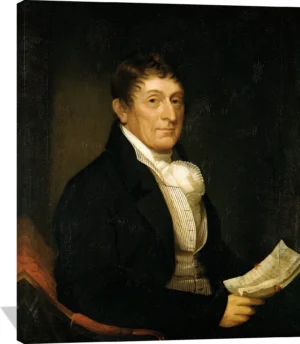
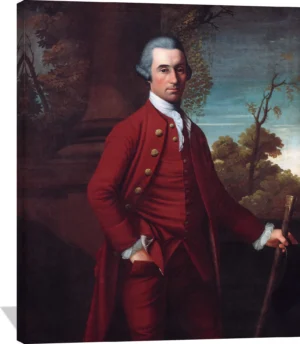
147,00 leiSelect options This product has multiple variants. The options may be chosen on the product pagePortrait of a Gentleman
Henry BenbridgeCanvas from
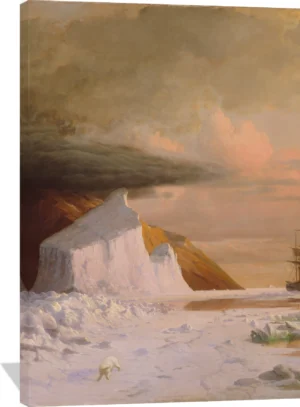
142,00 leiSelect options This product has multiple variants. The options may be chosen on the product pageAn Arctic Summer: Boring Through the Pack in Melville Bay
William BradfordCanvas from
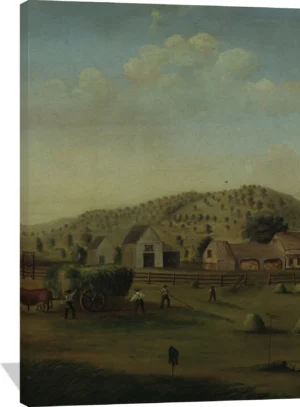
222,00 leiSelect options This product has multiple variants. The options may be chosen on the product pageLeete Farm, West Claremont, New Hampshire
Francis AlexanderCanvas from
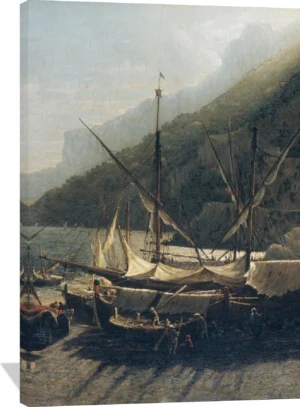
222,00 leiSelect options This product has multiple variants. The options may be chosen on the product pageView at Amalfi, Bay of Salerno
George Loring BrownCanvas from
222,00 leiSelect options This product has multiple variants. The options may be chosen on the product pageAn Indian Encampment
Ralph Albert BlakelockCanvas from
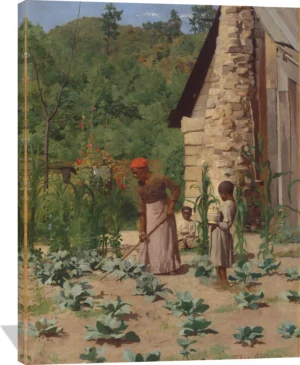
195,00 leiSelect options This product has multiple variants. The options may be chosen on the product pageThe Way They Live
Thomas AnshutzCanvas from
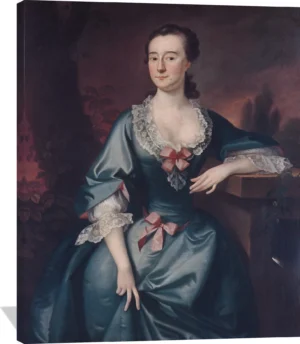
147,00 leiSelect options This product has multiple variants. The options may be chosen on the product pageMrs. David Chesebrough
Joseph BlackburnCanvas from
142,00 leiSelect options This product has multiple variants. The options may be chosen on the product page
Explore Peter Paul Rubens
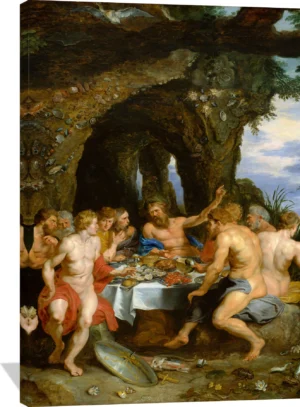
The Feast of Acheloüs
Peter Paul RubensCanvas from
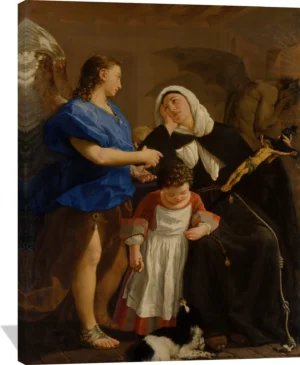
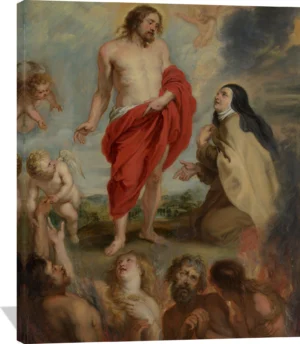
222,00 leiSelect options This product has multiple variants. The options may be chosen on the product pageSaint Teresa of Avila Interceding for Souls in Purgatory
Peter Paul RubensCanvas from
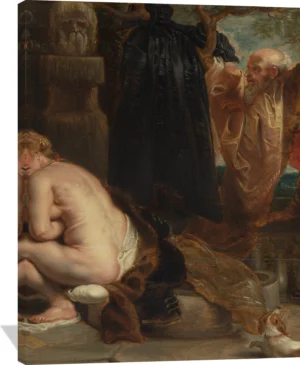
142,00 leiSelect options This product has multiple variants. The options may be chosen on the product pageSusanna and the Elders
Peter Paul RubensCanvas from
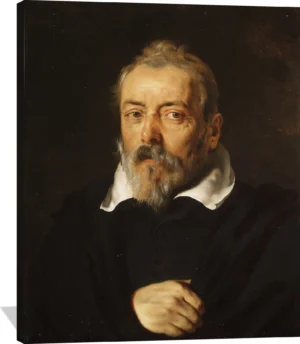
147,00 leiSelect options This product has multiple variants. The options may be chosen on the product pageFrans Francken I (1542–1616)
Peter Paul RubensCanvas from
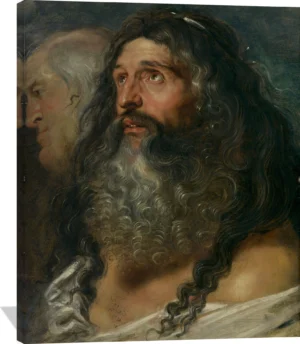
142,00 leiSelect options This product has multiple variants. The options may be chosen on the product pageStudy of Two Heads
Peter Paul RubensCanvas from
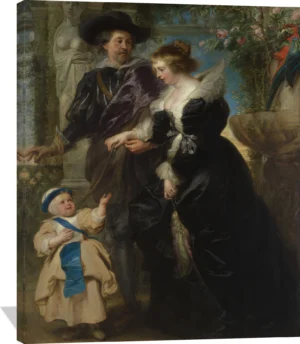
142,00 leiSelect options This product has multiple variants. The options may be chosen on the product pageRubens, Helena Fourment (1614–1673), and Their Son Frans (1633–1678)
Peter Paul RubensCanvas from
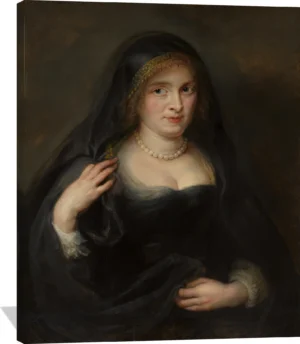
142,00 leiSelect options This product has multiple variants. The options may be chosen on the product pagePortrait of a Woman, Probably Susanna Lunden (Susanna Fourment, 1599–1628)
Peter Paul RubensCanvas from
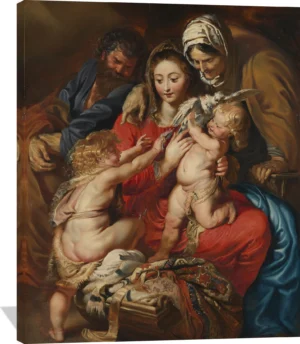
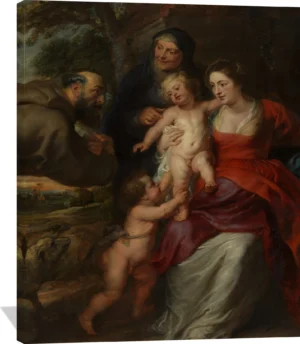
142,00 leiSelect options This product has multiple variants. The options may be chosen on the product pageThe Holy Family with Saint Elizabeth, Saint John, and a Dove
Peter Paul RubensCanvas from
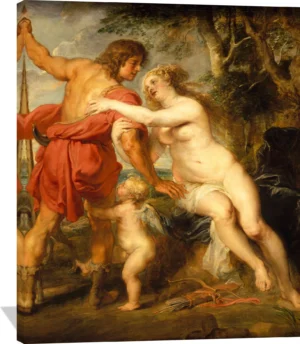
142,00 leiSelect options This product has multiple variants. The options may be chosen on the product pageVenus and Adonis
Peter Paul RubensCanvas from
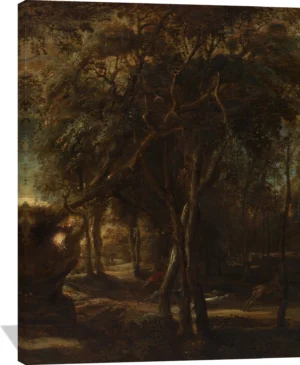
142,00 leiSelect options This product has multiple variants. The options may be chosen on the product pageA Forest at Dawn with a Deer Hunt
Peter Paul RubensCanvas from
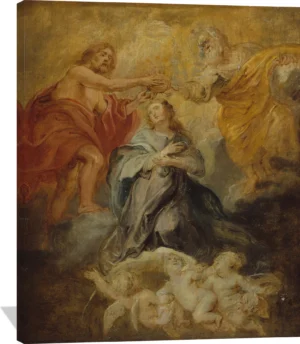
147,00 leiSelect options This product has multiple variants. The options may be chosen on the product pageThe Coronation of the Virgin
Peter Paul RubensCanvas from
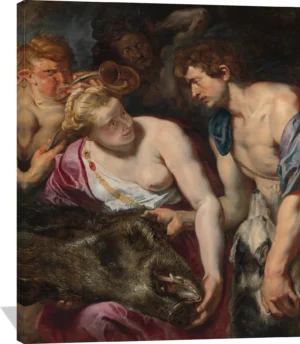
142,00 leiSelect options This product has multiple variants. The options may be chosen on the product pageAtalanta and Meleager
Peter Paul RubensCanvas from
142,00 leiSelect options This product has multiple variants. The options may be chosen on the product pageThe Holy Family with Saints Francis and Anne and the Infant Saint John the Baptist
Peter Paul RubensCanvas from
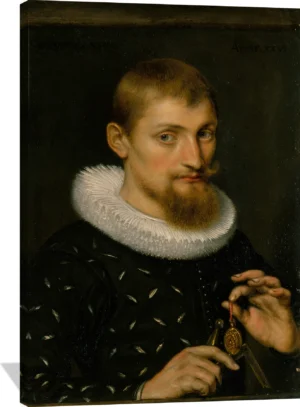
142,00 leiSelect options This product has multiple variants. The options may be chosen on the product pagePortrait of a Man, Possibly an Architect or Geographer
Peter Paul RubensCanvas from
222,00 leiSelect options This product has multiple variants. The options may be chosen on the product page
Explore Animals
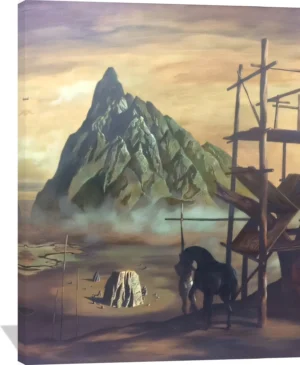
The Black Horse
John AthertonCanvas from
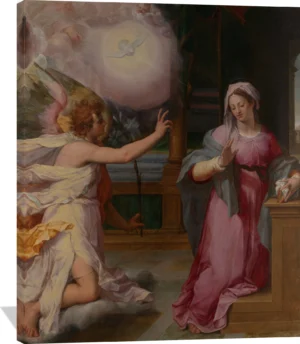
147,00 leiSelect options This product has multiple variants. The options may be chosen on the product pageThe Annunciation
Peter Candid (Pieter de Witte, Pietro Candido)Canvas from
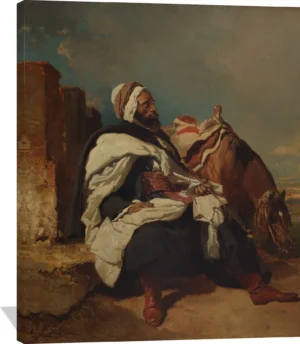
142,00 leiSelect options This product has multiple variants. The options may be chosen on the product pageSeated Arab Man with Horse
Alfred DedreuxCanvas from
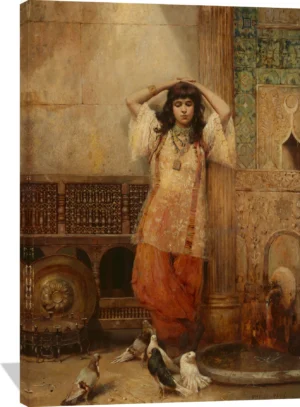
142,00 leiSelect options This product has multiple variants. The options may be chosen on the product pageGirl in a Courtyard, Algiers (formerly Courtyard in Tangier)
Philippe PavyCanvas from
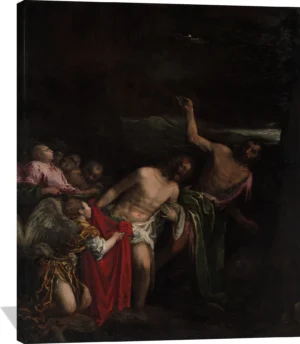
222,00 leiSelect options This product has multiple variants. The options may be chosen on the product pageThe Baptism of Christ
Jacopo Bassano (Jacopo da Ponte)Canvas from
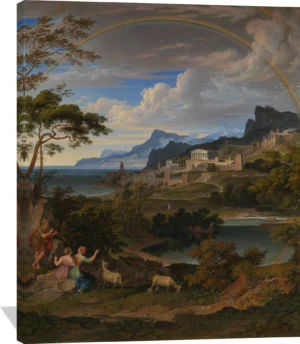
142,00 leiSelect options This product has multiple variants. The options may be chosen on the product pageHeroic Landscape with Rainbow
Joseph Anton KochCanvas from
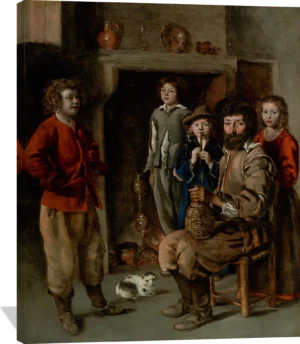
142,00 leiSelect options This product has multiple variants. The options may be chosen on the product pageA Peasant Family
Antoine Le NainCanvas from
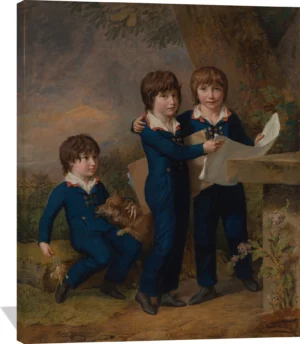
142,00 leiSelect options This product has multiple variants. The options may be chosen on the product pageThe Children of Martin Anton Heckscher: Johann Gustav Wilhelm Moritz (1797–1865), Carl Martin Adolph (1796–1850), and Leopold (born 1792)
Johann Heinrich Wilhelm TischbeinCanvas from
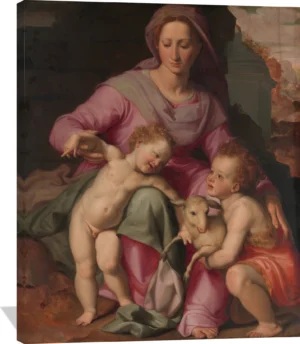
142,00 leiSelect options This product has multiple variants. The options may be chosen on the product pageMadonna and Child with the Infant Saint John the Baptist
Santi di TitoCanvas from
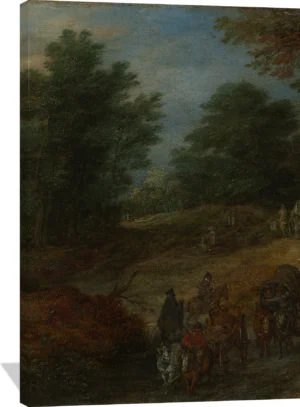
142,00 leiSelect options This product has multiple variants. The options may be chosen on the product pageLandscape with Travelers on a Woodland Path
Jan Brueghel the ElderCanvas from
222,00 leiSelect options This product has multiple variants. The options may be chosen on the product pageThe Golden Age
Joachim WtewaelCanvas from
142,00 leiSelect options This product has multiple variants. The options may be chosen on the product pageA Man and a Woman on Horseback
Philips WouwermanCanvas from
142,00 leiSelect options This product has multiple variants. The options may be chosen on the product pageKitchen Scene
Peter WtewaelCanvas from
147,00 leiSelect options This product has multiple variants. The options may be chosen on the product pageLandscape with Peasants at a Fountain
Francesco ZuccarelliCanvas from
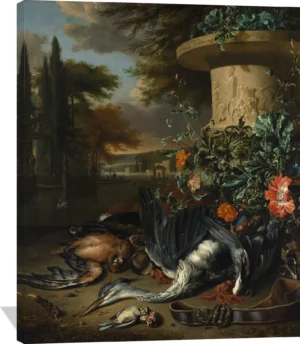
222,00 leiSelect options This product has multiple variants. The options may be chosen on the product pageGamepiece with a Dead Heron
Jan WeenixCanvas from
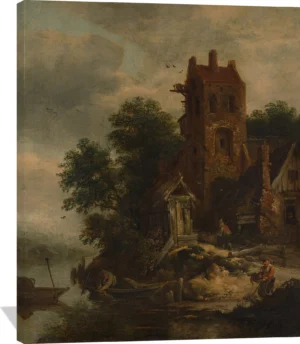
142,00 leiSelect options This product has multiple variants. The options may be chosen on the product pageThe Pigeon House
Roelof van VriesCanvas from
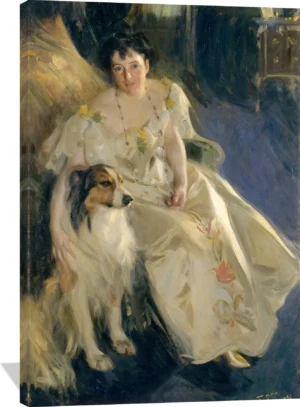
142,00 leiSelect options This product has multiple variants. The options may be chosen on the product pageMrs. Walter Rathbone Bacon (Virginia Purdy Barker, 1862–1919)
Anders ZornCanvas from
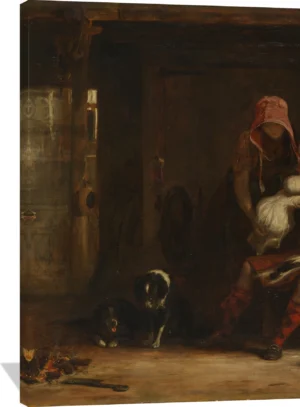
222,00 leiSelect options This product has multiple variants. The options may be chosen on the product pageThe Highland Family
Sir David WilkieCanvas from
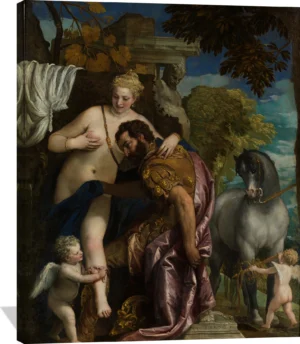
222,00 leiSelect options This product has multiple variants. The options may be chosen on the product pageMars and Venus United by Love
Paolo Veronese (Paolo Caliari)Canvas from
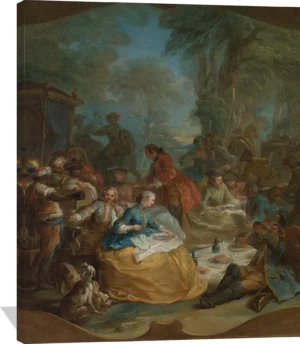
142,00 leiSelect options This product has multiple variants. The options may be chosen on the product pageHalt of the Hunt
Carle (Charles André) VanlooCanvas from
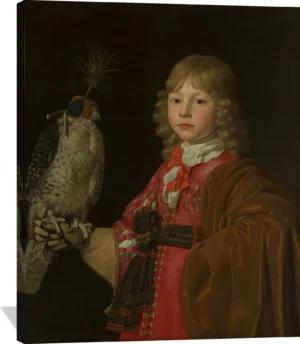
142,00 leiSelect options This product has multiple variants. The options may be chosen on the product pagePortrait of a Boy with a Falcon
Wallerant VaillantCanvas from
142,00 leiSelect options This product has multiple variants. The options may be chosen on the product page
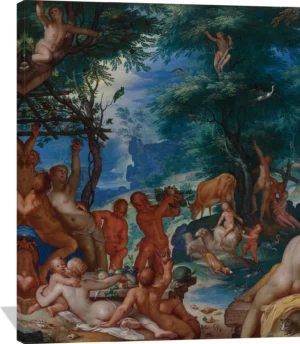
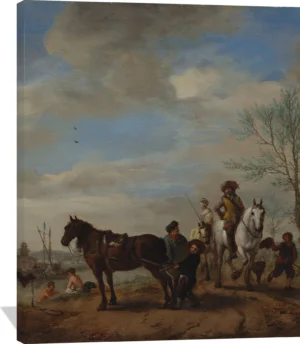
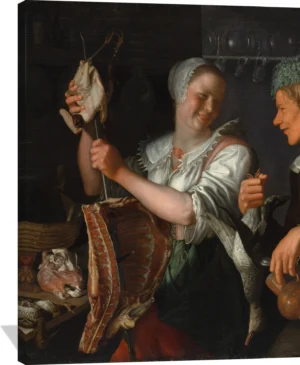
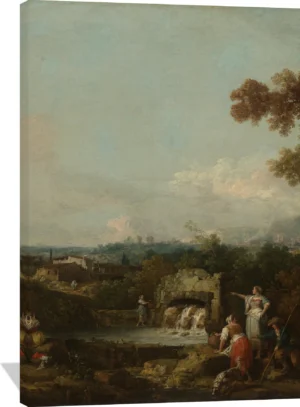
Explore Baroque
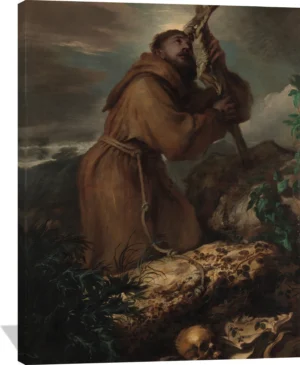
Saint Francis in Ecstasy
Giovanni Benedetto Castiglione (Il Grechetto)Canvas from
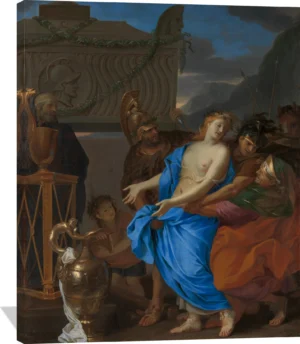
147,00 leiSelect options This product has multiple variants. The options may be chosen on the product pageThe Sacrifice of Polyxena
Charles Le BrunCanvas from
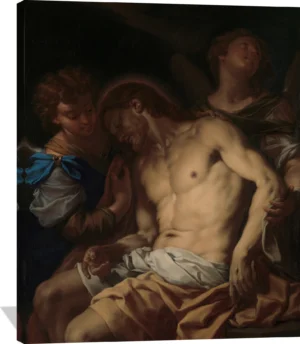
142,00 leiSelect options This product has multiple variants. The options may be chosen on the product pageDead Christ Supported by Angels
Francesco TrevisaniCanvas from
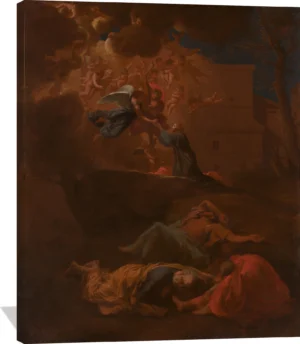
142,00 leiSelect options This product has multiple variants. The options may be chosen on the product pageThe Agony in the Garden
Nicolas PoussinCanvas from
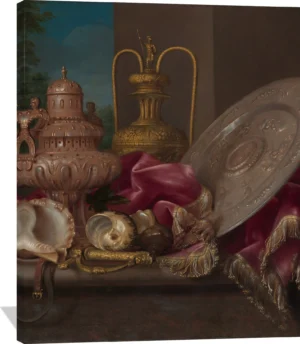
142,00 leiSelect options This product has multiple variants. The options may be chosen on the product pageStill Life with Silver and Gold Plate, Shells, and a Sword
Meiffren ConteCanvas from
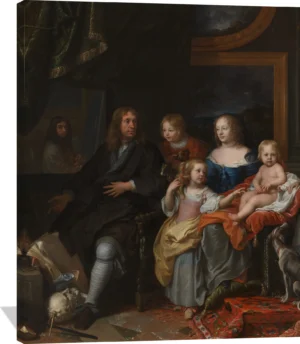
142,00 leiSelect options This product has multiple variants. The options may be chosen on the product pageThe Jabach Family
Charles Le BrunCanvas from
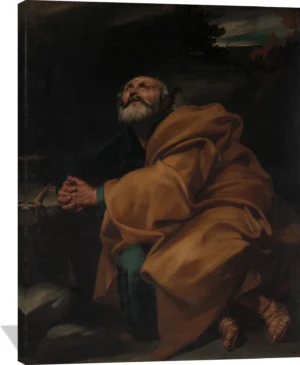
142,00 leiSelect options This product has multiple variants. The options may be chosen on the product pageThe Tears of Saint Peter
Jusepe de Ribera (called Lo Spagnoletto)Canvas from
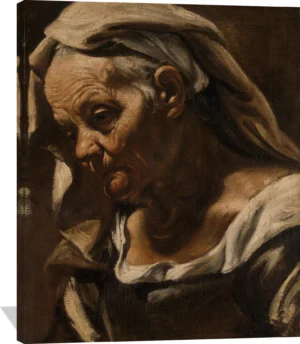
147,00 leiSelect options This product has multiple variants. The options may be chosen on the product pageHead of an Old Woman
Orazio BorgianniCanvas from
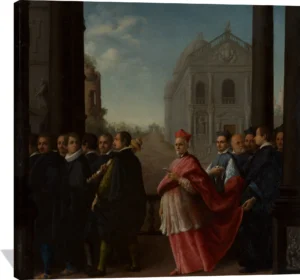
142,00 leiSelect options This product has multiple variants. The options may be chosen on the product pageA Cardinal’s Procession
Ottavio Leoni (Il Padovano)Canvas from
195,00 leiSelect options This product has multiple variants. The options may be chosen on the product pageHagar and the Angel
Francesco MaffeiCanvas from
142,00 leiSelect options This product has multiple variants. The options may be chosen on the product pageA Female Martyr Saint
Carlo Francesco NuvoloneCanvas from
142,00 leiSelect options This product has multiple variants. The options may be chosen on the product pageSaint Dominic in Penitence
Filippo TarchianiCanvas from
142,00 leiSelect options This product has multiple variants. The options may be chosen on the product pageLute Player
Valentin de BoulogneCanvas from
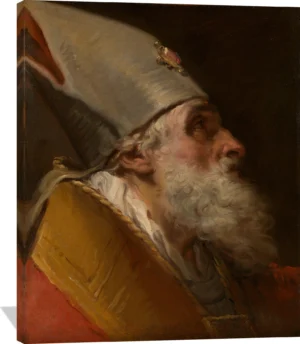
142,00 leiSelect options This product has multiple variants. The options may be chosen on the product pageHead of a Bishop
Gaetano GandolfiCanvas from
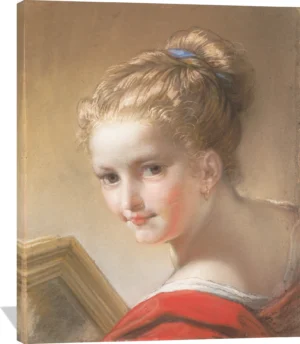
142,00 leiSelect options This product has multiple variants. The options may be chosen on the product pageStudy of a Girl in Red
Benedetto LutiCanvas from
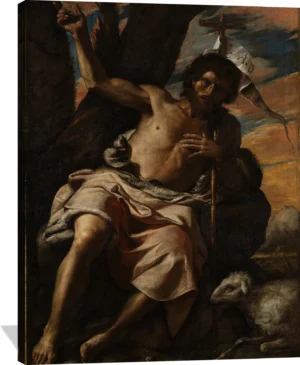
142,00 leiSelect options This product has multiple variants. The options may be chosen on the product pageSaint John the Baptist Preaching
Mattia Preti (Il Cavalier Calabrese)Canvas from
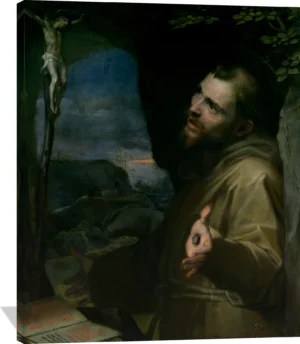
147,00 leiSelect options This product has multiple variants. The options may be chosen on the product pageSaint Francis
Federico BarocciCanvas from
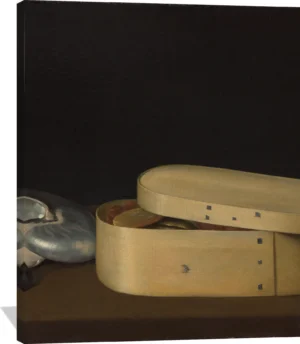
142,00 leiSelect options This product has multiple variants. The options may be chosen on the product pageStill Life with Shells and a Chip-Wood Box
Sebastian StoskopffCanvas from
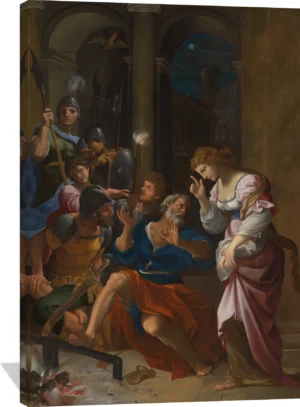
142,00 leiSelect options This product has multiple variants. The options may be chosen on the product pageThe Denial of Saint Peter
Ludovico CarracciCanvas from
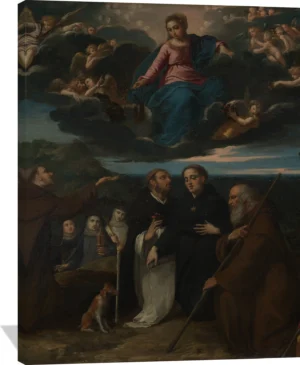
222,00 leiSelect options This product has multiple variants. The options may be chosen on the product pageThe Virgin Adored by Saints
Scarsellino (Ippolito Scarsella)Canvas from
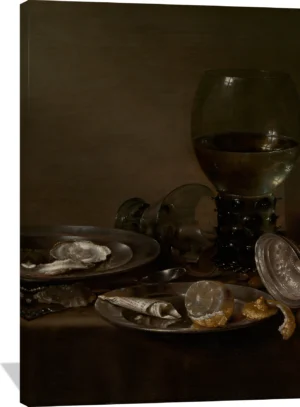
147,00 leiSelect options This product has multiple variants. The options may be chosen on the product pageStill Life with Oysters, a Silver Tazza, and Glassware
Willem Claesz HedaCanvas from
222,00 leiSelect options This product has multiple variants. The options may be chosen on the product page
Explore Mammals
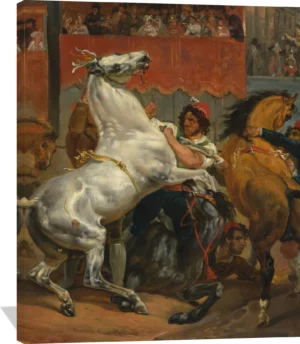
The Start of the Race of the Riderless Horses
Horace VernetCanvas from
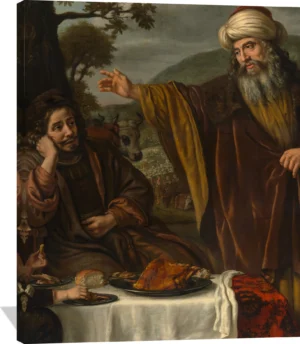
142,00 leiSelect options This product has multiple variants. The options may be chosen on the product pageAbraham’s Parting from the Family of Lot
Jan VictorsCanvas from
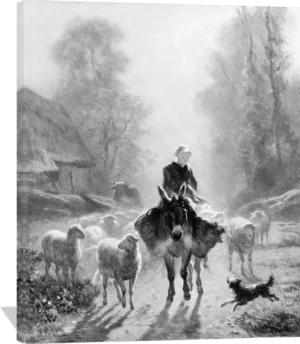
142,00 leiSelect options This product has multiple variants. The options may be chosen on the product pageGoing to Market
Constant TroyonCanvas from
142,00 leiSelect options This product has multiple variants. The options may be chosen on the product pageSaint Margaret of Cortona
Gaspare TraversiCanvas from
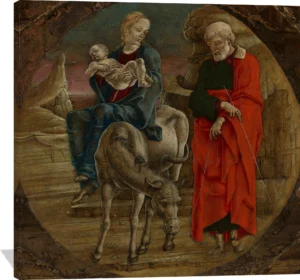
147,00 leiSelect options This product has multiple variants. The options may be chosen on the product pageThe Flight into Egypt
Cosmè Tura (Cosimo di Domenico di Bonaventura)Canvas from
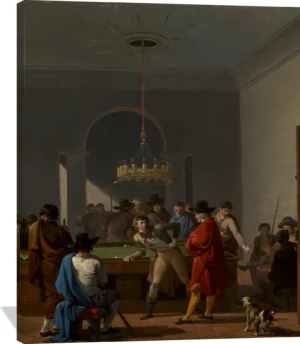
195,00 leiSelect options This product has multiple variants. The options may be chosen on the product pageThe Billiard Room
Nicolas Antoine TaunayCanvas from
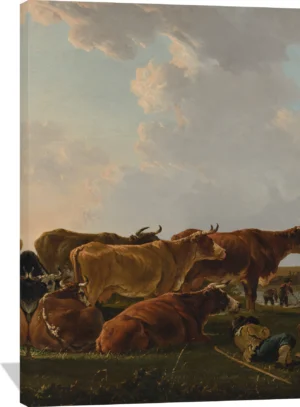
142,00 leiSelect options This product has multiple variants. The options may be chosen on the product pageLandscape with Cattle
Jacob van StrijCanvas from
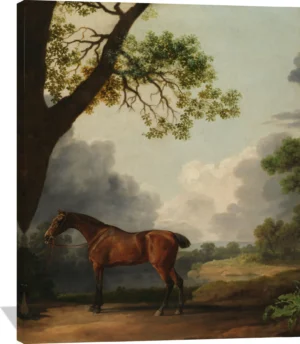
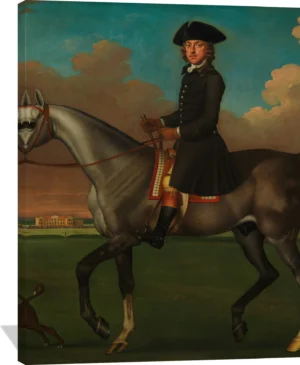
142,00 leiSelect options This product has multiple variants. The options may be chosen on the product pageThe Third Duke of Dorset’s Hunter with a Groom and a Dog
George StubbsCanvas from
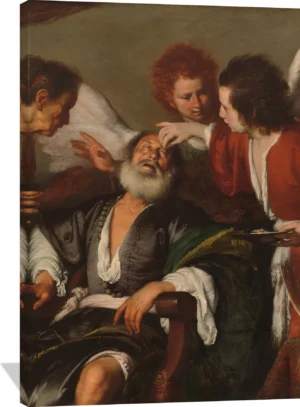
142,00 leiSelect options This product has multiple variants. The options may be chosen on the product pageTobias Curing His Father’s Blindness
Bernardo StrozziCanvas from
222,00 leiSelect options This product has multiple variants. The options may be chosen on the product pagePortrait of a Horseman
James SeymourCanvas from
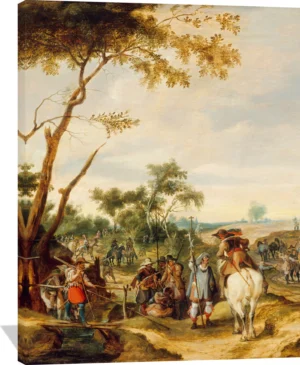
147,00 leiSelect options This product has multiple variants. The options may be chosen on the product pageSoldiers Bivouacking
Pieter SnayersCanvas from
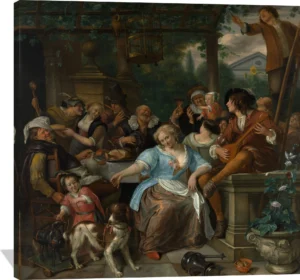
147,00 leiSelect options This product has multiple variants. The options may be chosen on the product pageMerry Company on a Terrace
Jan SteenCanvas from
195,00 leiSelect options This product has multiple variants. The options may be chosen on the product pagePortrait of a Woman
Rolán de MoysCanvas from
142,00 leiSelect options This product has multiple variants. The options may be chosen on the product pageThe Journey of the Magi
Sassetta (Stefano di Giovanni)Canvas from
147,00 leiSelect options This product has multiple variants. The options may be chosen on the product pageRustic Interior
David Ryckaert IIICanvas from
142,00 leiSelect options This product has multiple variants. The options may be chosen on the product pageSir James Dashwood (1715–1779)
Enoch Seeman the YoungerCanvas from
222,00 leiSelect options This product has multiple variants. The options may be chosen on the product pageLost: Souvenir of Auvergne
August Friedrich Albrecht SchenckCanvas from
222,00 leiSelect options This product has multiple variants. The options may be chosen on the product pageMarket by the Seashore
Salomon van RuysdaelCanvas from
222,00 leiSelect options This product has multiple variants. The options may be chosen on the product pagePallas Athena and the Herdsman’s Dogs
Briton RiviereCanvas from
222,00 leiSelect options This product has multiple variants. The options may be chosen on the product pageFishing
Edouard ManetCanvas from
222,00 leiSelect options This product has multiple variants. The options may be chosen on the product pageCopy after Rubens’s “Wolf and Fox Hunt”
Sir Edwin Henry LandseerCanvas from
222,00 leiSelect options This product has multiple variants. The options may be chosen on the product page