Artistic Style
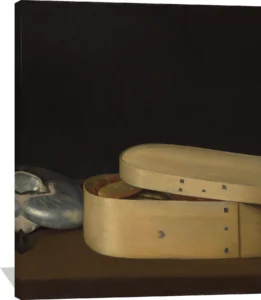
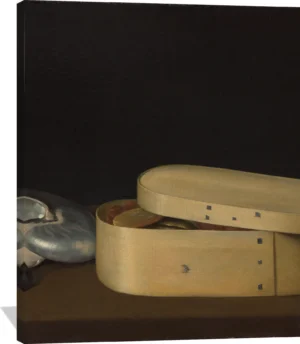
Stoskopff is best known for his meticulously rendered still lifes, characterized by clarity, quiet drama, and an extraordinary command of light. His work reveals sharp observational skill and a restrained yet powerful sense of composition. Objects appear with near-tangible realism, arranged in a way that elevates everyday items into meditative visual poetry.
Subjects and Themes
He frequently portrayed glassware, books, metal vessels, and table arrangements, using these elements to explore themes of fragility, time, and transience. His celebrated representations of crystal glasses, often gathered in carefully calibrated ensembles, demonstrate exceptional mastery of transparency and reflection. Stoskopff’s vanitas compositions offer contemplative scenes where subtle symbolic cues replace overt moralizing.
Legacy and Significance
Stoskopff’s work stands apart for its quiet intensity and its blend of technical brilliance with philosophical depth. His paintings exemplify the sophistication of early Baroque still-life art in the German and French regions, influencing generations of painters who valued precision and the evocative power of ordinary objects. Today, he is recognized as a key figure in the evolution of European still life, remembered for his unmatched sensitivity to light and enduring mastery of detail.