Pallas Athena and the Herdsman’s Dogs
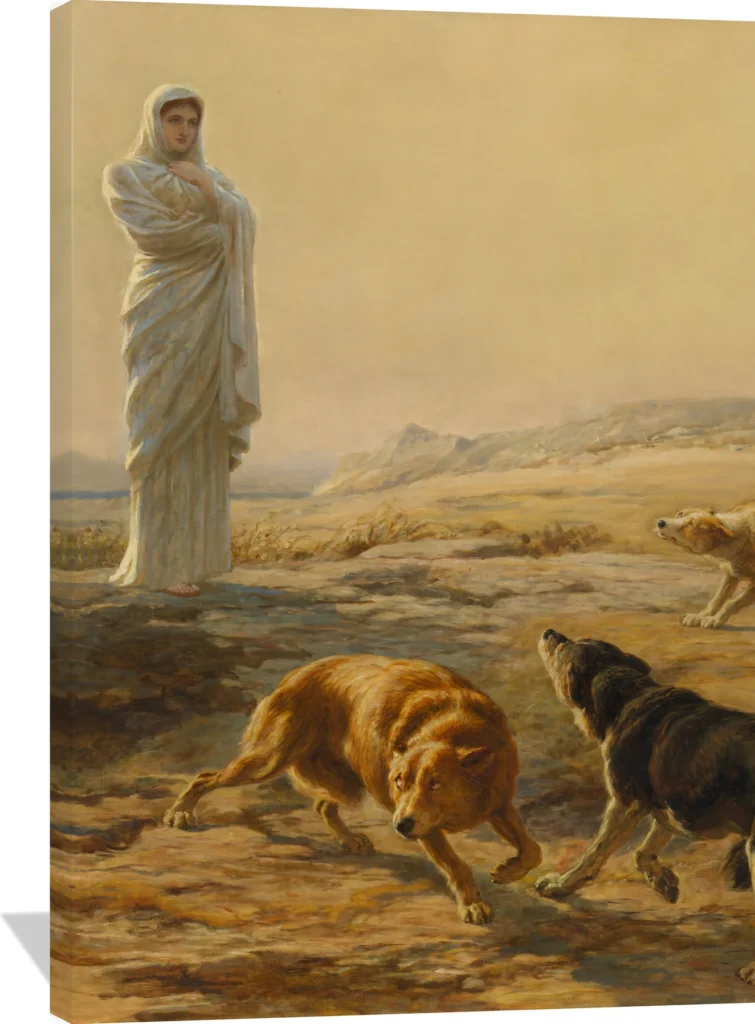
Briton Riviere’s Pallas Athena and the Herdsman’s Dogs canvas captures a moment of divine calm amid earthly tension. The goddess Athena, draped in luminous white, stands serene against a golden landscape as startled dogs recoil before her presence. Warm ochres, muted blues, and soft ivory tones blend to create a timeless harmony of power and grace.
This refined wall art brings classical elegance and quiet drama to any space. Ideal for a study, living room, or entryway, this canvas print evokes both mythic grandeur and contemplative stillness—an enduring tribute to Riviere’s mastery of light and emotion.
Briton Riviere (1840–1920) was a British painter renowned for his emotionally resonant depictions of animals and narrative scenes. Active in London throughout his career, he became widely admired for the sensitivity, empathy, and psychological depth he brought to his subjects, qualities that continue to distinguish his work today.
Artistic Style and Approach
Riviere’s paintings are characterized by refined realism, subtle dramatic tension, and a deep understanding of animal anatomy and behavior. His meticulous technique allowed him to blend naturalistic detail with expressive storytelling, creating works that feel both intimate and theatrically composed. Often working in oil, he embraced rich coloration and carefully observed lighting to heighten the emotional impact of each scene.
Notable Themes and Subjects
While he produced portraits and historical subjects, Riviere is best known for paintings centered on animals particularly dogs portrayed with striking dignity and emotional presence. Works such as Requiescat and Sympathy exemplify his ability to convey complex sentiment through posture, gaze, and atmosphere. His animal subjects frequently interact with human narratives, resulting in scenes that explore loyalty, solitude, courage, and companionship.
Legacy and Significance
As a prominent figure in late Victorian art, Riviere contributed meaningfully to the era’s fascination with narrative realism. His skill in capturing the inner life of animals set him apart, influencing later generations of painters who sought to portray animals as expressive beings rather than mere accessories to human stories. His work remains celebrated for its blend of technical mastery and emotional storytelling, securing his place as a leading interpreter of animal symbolism in British art.
Trust & policies
- 🚚 Free worldwide shipping
- 🔁 30-day returns (change of mind)
- 🛡️ If damaged/defective/misprinted: free replacement or full refund
- 🌍 Printed in US/CA/EU/UK/AU (based on delivery location)
- 💎 Made to order using acid-free, fade-resistant canvas
- 💎 Solid wood stretcher bars • Pine floating frames
- 🪝 Ready to hang

Mountain Scene
Albert BierstadtCanvas from
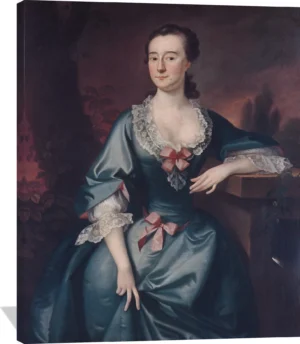
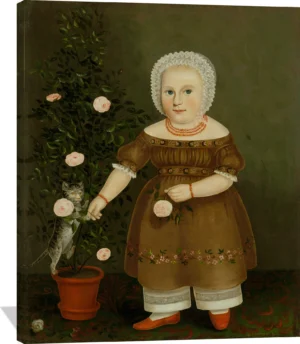
33,00 $Select options This product has multiple variants. The options may be chosen on the product pageMrs. Benjamin Simons
Henry BenbridgeCanvas from
32,00 $Select options This product has multiple variants. The options may be chosen on the product pageThe Ring
John White AlexanderCanvas from
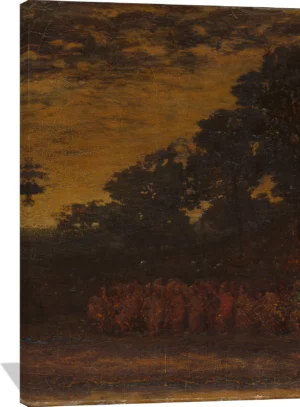
32,00 $Select options This product has multiple variants. The options may be chosen on the product pageThe Pipe Dance
Ralph Albert BlakelockCanvas from
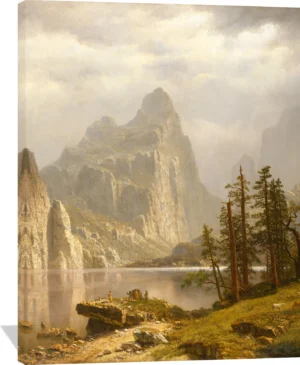
50,00 $Select options This product has multiple variants. The options may be chosen on the product pageMerced River, Yosemite Valley
Albert BierstadtCanvas from
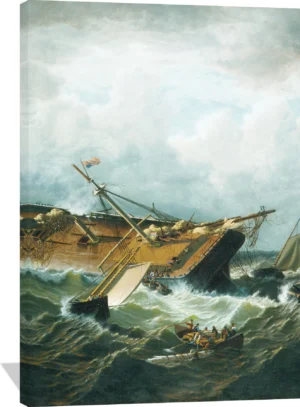
33,00 $Select options This product has multiple variants. The options may be chosen on the product pageShipwreck off Nantucket (Wreck off Nantucket after a Storm)
William BradfordCanvas from
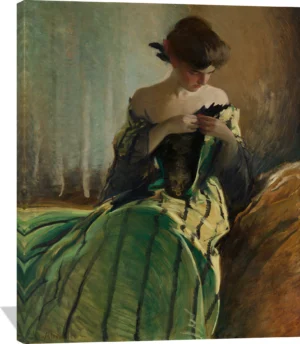
50,00 $Select options This product has multiple variants. The options may be chosen on the product pageStudy in Green and Black
John White AlexanderCanvas from
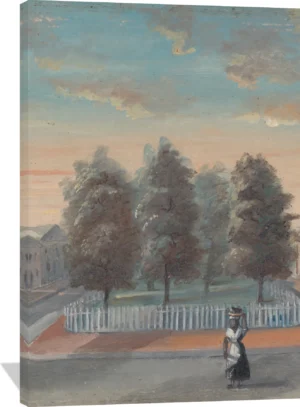
32,00 $Select options This product has multiple variants. The options may be chosen on the product pageBaked Pears in Duane Park
William P. ChappelCanvas from
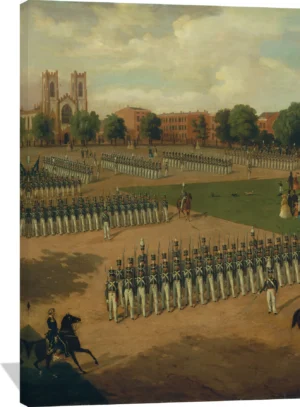
50,00 $Select options This product has multiple variants. The options may be chosen on the product pageSeventh Regiment on Review, Washington Square, New York
Otto BoetticherCanvas from
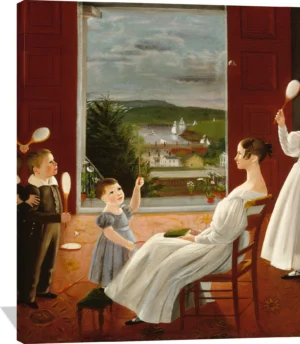
50,00 $Select options This product has multiple variants. The options may be chosen on the product pageThe Children of Nathan Starr
Ambrose AndrewsCanvas from
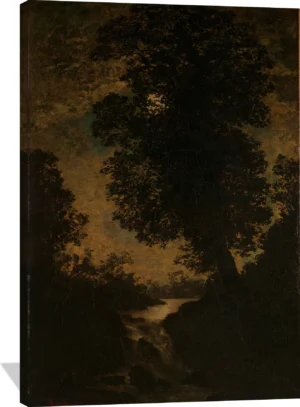
32,00 $Select options This product has multiple variants. The options may be chosen on the product pageA Waterfall, Moonlight
Ralph Albert BlakelockCanvas from
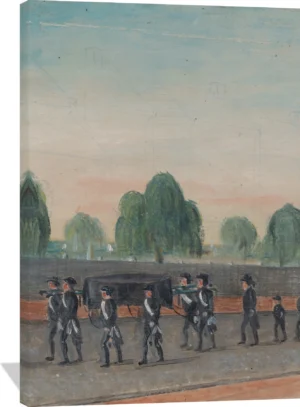
50,00 $Select options This product has multiple variants. The options may be chosen on the product pageAdult Funeral Procession
William P. ChappelCanvas from
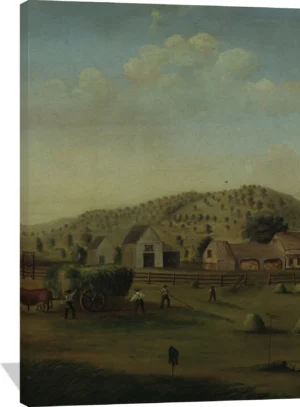
50,00 $Select options This product has multiple variants. The options may be chosen on the product pageLeete Farm, West Claremont, New Hampshire
Francis AlexanderCanvas from
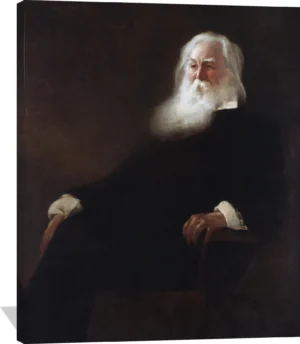
50,00 $Select options This product has multiple variants. The options may be chosen on the product pageWalt Whitman
John White AlexanderCanvas from
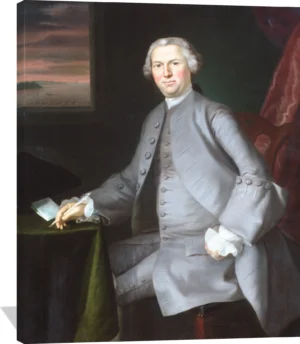
32,00 $Select options This product has multiple variants. The options may be chosen on the product pageMrs. David Chesebrough
Joseph BlackburnCanvas from
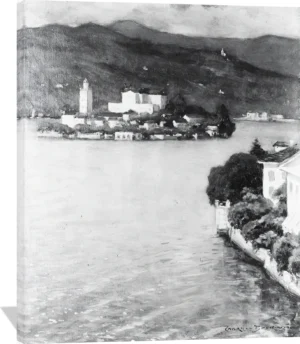
32,00 $Select options This product has multiple variants. The options may be chosen on the product pageLake of Orta
J. Carroll BeckwithCanvas from
32,00 $Select options This product has multiple variants. The options may be chosen on the product pageEmma Homan
John BradleyCanvas from
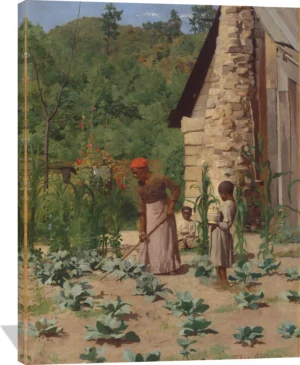
32,00 $Select options This product has multiple variants. The options may be chosen on the product pageThe Way They Live
Thomas AnshutzCanvas from
33,00 $Select options This product has multiple variants. The options may be chosen on the product pageSamuel Cutts
Joseph BlackburnCanvas from
32,00 $Select options This product has multiple variants. The options may be chosen on the product pageEleanor Hardy Bunker
Dennis Miller BunkerCanvas from
32,00 $Select options This product has multiple variants. The options may be chosen on the product pagePhilip Van Cortlandt
Ezra AmesCanvas from
32,00 $Select options This product has multiple variants. The options may be chosen on the product pageSea Cove
Albert BierstadtCanvas from
33,00 $Select options This product has multiple variants. The options may be chosen on the product page

Explore Animals
The Black Horse
John AthertonCanvas from
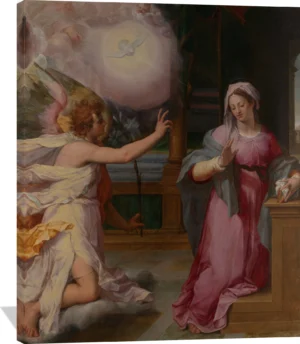
33,00 $Select options This product has multiple variants. The options may be chosen on the product pageThe Annunciation
Peter Candid (Pieter de Witte, Pietro Candido)Canvas from
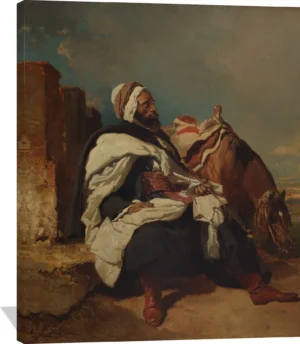
32,00 $Select options This product has multiple variants. The options may be chosen on the product pageSeated Arab Man with Horse
Alfred DedreuxCanvas from
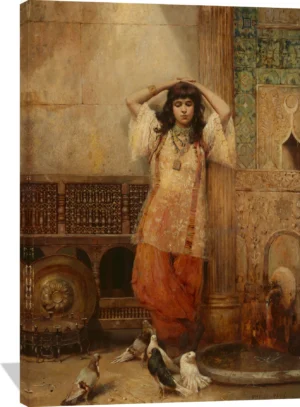
32,00 $Select options This product has multiple variants. The options may be chosen on the product pageGirl in a Courtyard, Algiers (formerly Courtyard in Tangier)
Philippe PavyCanvas from
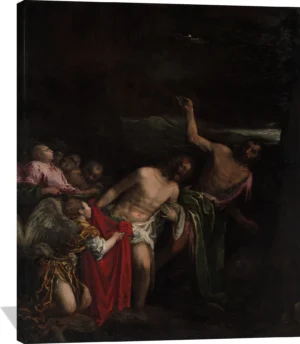
50,00 $Select options This product has multiple variants. The options may be chosen on the product pageThe Baptism of Christ
Jacopo Bassano (Jacopo da Ponte)Canvas from
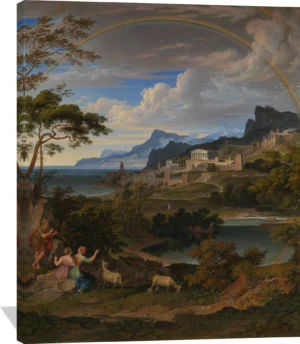
32,00 $Select options This product has multiple variants. The options may be chosen on the product pageHeroic Landscape with Rainbow
Joseph Anton KochCanvas from
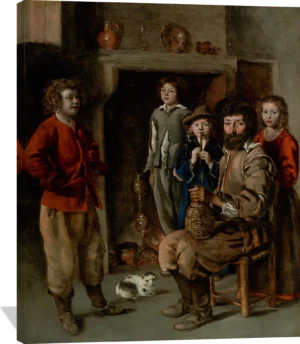
32,00 $Select options This product has multiple variants. The options may be chosen on the product pageA Peasant Family
Antoine Le NainCanvas from
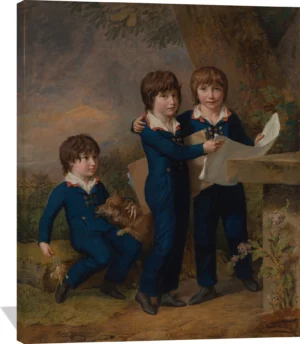
32,00 $Select options This product has multiple variants. The options may be chosen on the product pageThe Children of Martin Anton Heckscher: Johann Gustav Wilhelm Moritz (1797–1865), Carl Martin Adolph (1796–1850), and Leopold (born 1792)
Johann Heinrich Wilhelm TischbeinCanvas from
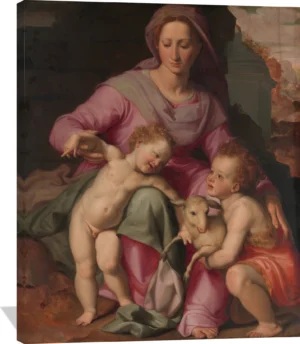
32,00 $Select options This product has multiple variants. The options may be chosen on the product pageMadonna and Child with the Infant Saint John the Baptist
Santi di TitoCanvas from
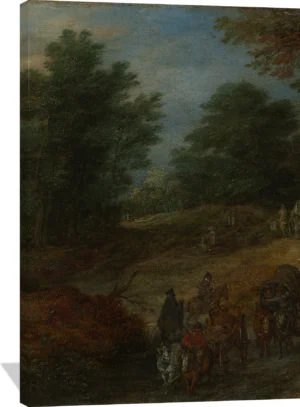
32,00 $Select options This product has multiple variants. The options may be chosen on the product pageLandscape with Travelers on a Woodland Path
Jan Brueghel the ElderCanvas from
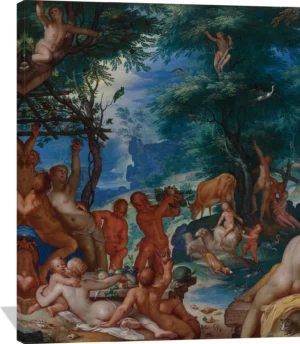
50,00 $Select options This product has multiple variants. The options may be chosen on the product pageThe Golden Age
Joachim WtewaelCanvas from
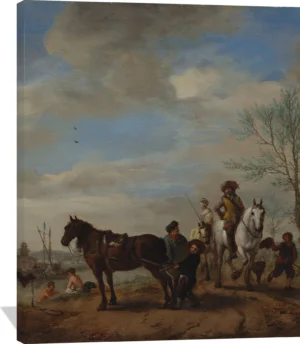
32,00 $Select options This product has multiple variants. The options may be chosen on the product pageA Man and a Woman on Horseback
Philips WouwermanCanvas from
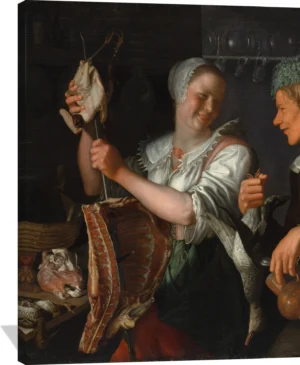
32,00 $Select options This product has multiple variants. The options may be chosen on the product pageKitchen Scene
Peter WtewaelCanvas from
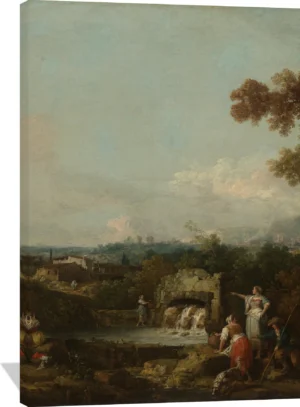
33,00 $Select options This product has multiple variants. The options may be chosen on the product pageLandscape with Peasants at a Fountain
Francesco ZuccarelliCanvas from
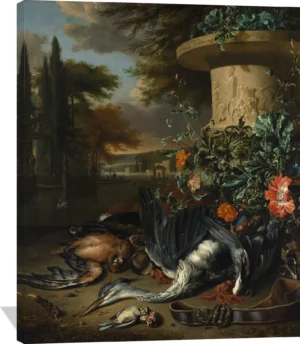
50,00 $Select options This product has multiple variants. The options may be chosen on the product pageGamepiece with a Dead Heron
Jan WeenixCanvas from
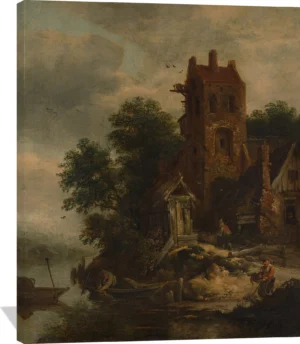
32,00 $Select options This product has multiple variants. The options may be chosen on the product pageThe Pigeon House
Roelof van VriesCanvas from
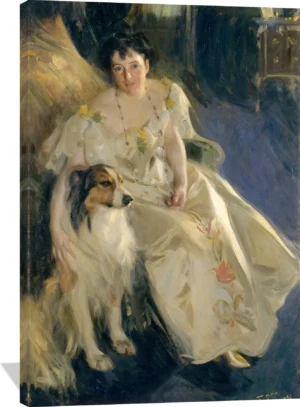
32,00 $Select options This product has multiple variants. The options may be chosen on the product pageMrs. Walter Rathbone Bacon (Virginia Purdy Barker, 1862–1919)
Anders ZornCanvas from
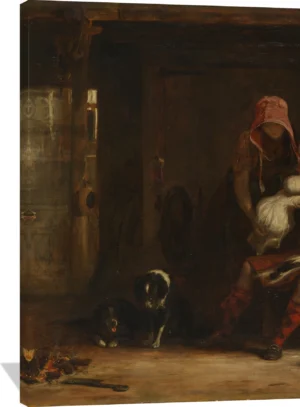
50,00 $Select options This product has multiple variants. The options may be chosen on the product pageThe Highland Family
Sir David WilkieCanvas from
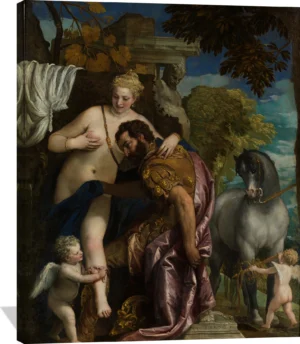
50,00 $Select options This product has multiple variants. The options may be chosen on the product pageMars and Venus United by Love
Paolo Veronese (Paolo Caliari)Canvas from
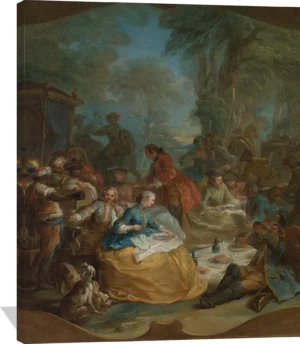
32,00 $Select options This product has multiple variants. The options may be chosen on the product pageHalt of the Hunt
Carle (Charles André) VanlooCanvas from
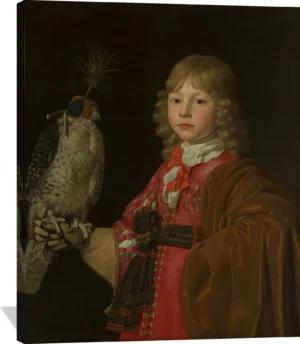
32,00 $Select options This product has multiple variants. The options may be chosen on the product pagePortrait of a Boy with a Falcon
Wallerant VaillantCanvas from
32,00 $Select options This product has multiple variants. The options may be chosen on the product page
Explore Figurative
Jeanne Hébuterne
Amedeo ModiglianiCanvas from
32,00 $Select options This product has multiple variants. The options may be chosen on the product pageGirl in a Sailor’s Blouse
Amedeo ModiglianiCanvas from
33,00 $Select options This product has multiple variants. The options may be chosen on the product pageSelf-Portrait
Umberto BoccioniCanvas from
32,00 $Select options This product has multiple variants. The options may be chosen on the product pageDocks on Sunday
Joseph De MartiniCanvas from
32,00 $Select options This product has multiple variants. The options may be chosen on the product pageThe Fitting Room
Kenneth Hayes MillerCanvas from
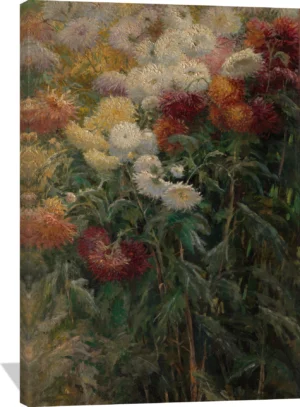
32,00 $Select options This product has multiple variants. The options may be chosen on the product pageChrysanthemums in the Garden at Petit-Gennevilliers
Gustave CaillebotteCanvas from
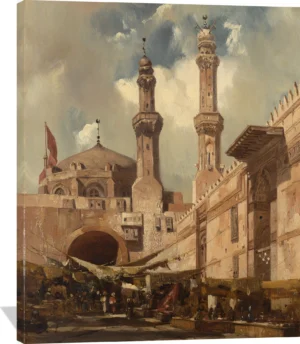
50,00 $Select options This product has multiple variants. The options may be chosen on the product pageA Cairo Bazaar
Adrien DauzatsCanvas from
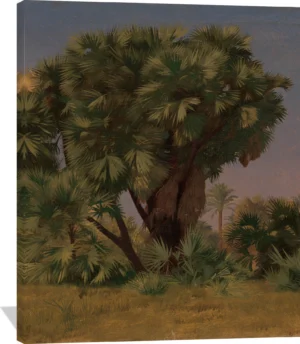
32,00 $Select options This product has multiple variants. The options may be chosen on the product pageStudy of Palm Trees
Jean-Léon GérômeCanvas from
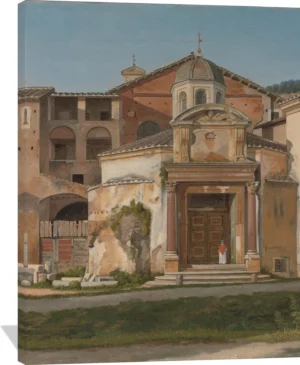
32,00 $Select options This product has multiple variants. The options may be chosen on the product pageA Section of the Via Sacra, Rome (The Church of Saints Cosmas and Damian)
Christoffer Wilhelm EckersbergCanvas from
33,00 $Select options This product has multiple variants. The options may be chosen on the product pageLandscape with Figures
Kenneth Hayes MillerCanvas from
32,00 $Select options This product has multiple variants. The options may be chosen on the product pageArab Warrior
Horace VernetCanvas from
33,00 $Select options This product has multiple variants. The options may be chosen on the product pageThe Arab Sage
German PainterCanvas from
32,00 $Select options This product has multiple variants. The options may be chosen on the product pageThe Great Pyramid, Giza
Adrien DauzatsCanvas from
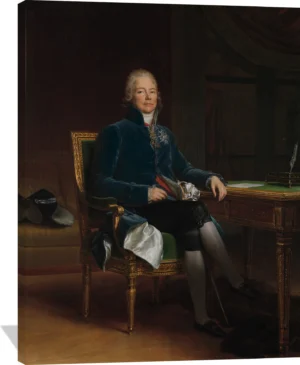
32,00 $Select options This product has multiple variants. The options may be chosen on the product pageCharles Maurice de Talleyrand Périgord (1754–1838), Prince de Bénévent
baron François GérardCanvas from
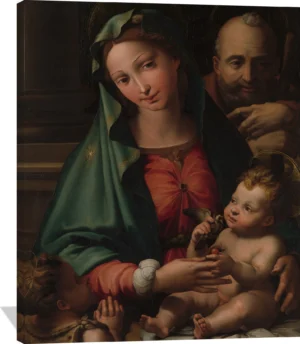
33,00 $Select options This product has multiple variants. The options may be chosen on the product pageThe Holy Family with the Infant Saint John the Baptist
Perino del Vaga (Pietro Buonaccorsi)Canvas from
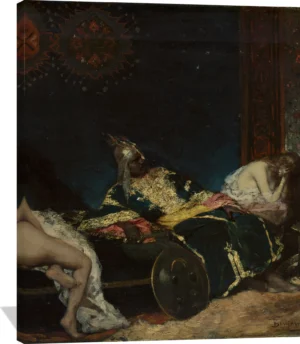
32,00 $Select options This product has multiple variants. The options may be chosen on the product pageScene in a Harem (Un Envoi de Serbie)
Benjamin-Constant (Jean-Joseph-Benjamin Constant)Canvas from
32,00 $Select options This product has multiple variants. The options may be chosen on the product pageView over Hallingdal
Johan Christian DahlCanvas from
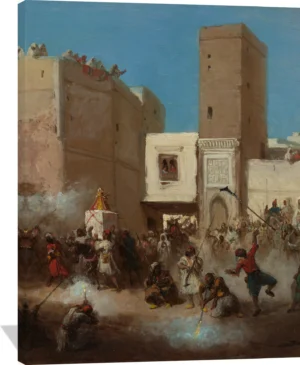
50,00 $Select options This product has multiple variants. The options may be chosen on the product pageWedding Procession
Victor EeckhoutCanvas from
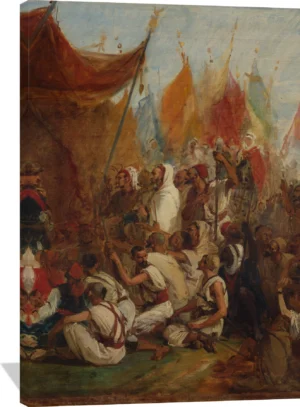
33,00 $Select options This product has multiple variants. The options may be chosen on the product pageSketch for “Reception of Emperor Napoleon III and Empress Eugénie by the Kabyle Leaders at Algiers on September 18, 1860”
Isidore PilsCanvas from
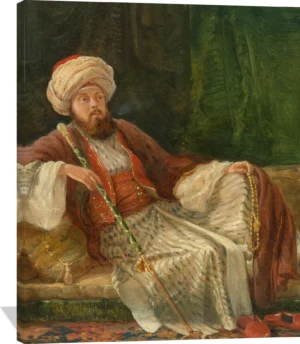
50,00 $Select options This product has multiple variants. The options may be chosen on the product pageWestern Gentleman in Oriental Costume
British PainterCanvas from
32,00 $Select options This product has multiple variants. The options may be chosen on the product pageThe Opium Smokers
Georges ClairinCanvas from
44,00 $Select options This product has multiple variants. The options may be chosen on the product page


Explore Mammals
The Start of the Race of the Riderless Horses
Horace VernetCanvas from
32,00 $Select options This product has multiple variants. The options may be chosen on the product pageAbraham’s Parting from the Family of Lot
Jan VictorsCanvas from
32,00 $Select options This product has multiple variants. The options may be chosen on the product pageGoing to Market
Constant TroyonCanvas from
32,00 $Select options This product has multiple variants. The options may be chosen on the product pageSaint Margaret of Cortona
Gaspare TraversiCanvas from
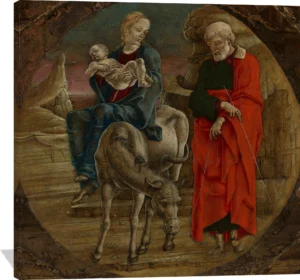
33,00 $Select options This product has multiple variants. The options may be chosen on the product pageThe Flight into Egypt
Cosmè Tura (Cosimo di Domenico di Bonaventura)Canvas from
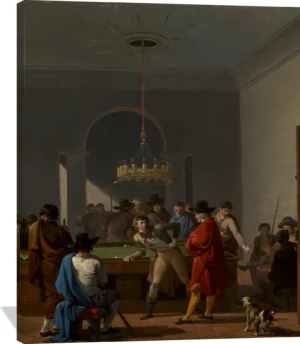
44,00 $Select options This product has multiple variants. The options may be chosen on the product pageThe Billiard Room
Nicolas Antoine TaunayCanvas from
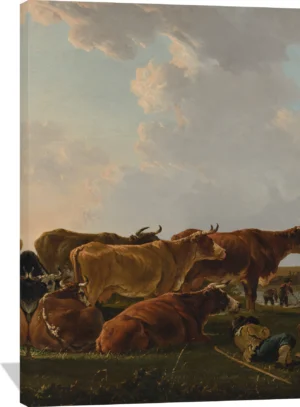
32,00 $Select options This product has multiple variants. The options may be chosen on the product pageLandscape with Cattle
Jacob van StrijCanvas from
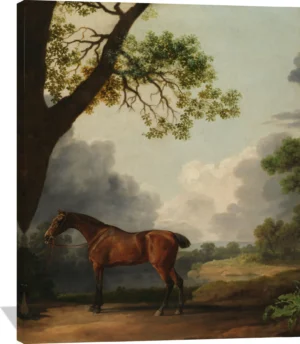
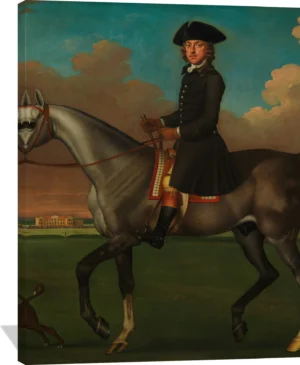
32,00 $Select options This product has multiple variants. The options may be chosen on the product pageThe Third Duke of Dorset’s Hunter with a Groom and a Dog
George StubbsCanvas from
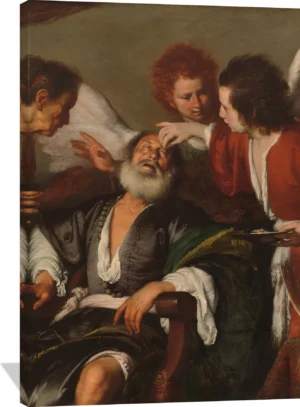
32,00 $Select options This product has multiple variants. The options may be chosen on the product pageTobias Curing His Father’s Blindness
Bernardo StrozziCanvas from
50,00 $Select options This product has multiple variants. The options may be chosen on the product pagePortrait of a Horseman
James SeymourCanvas from
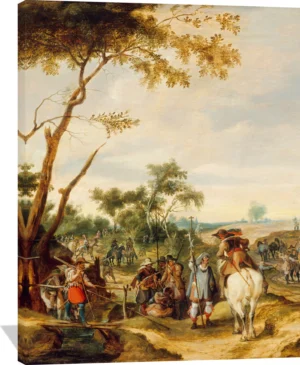
33,00 $Select options This product has multiple variants. The options may be chosen on the product pageSoldiers Bivouacking
Pieter SnayersCanvas from
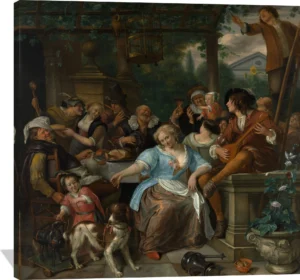
33,00 $Select options This product has multiple variants. The options may be chosen on the product pageMerry Company on a Terrace
Jan SteenCanvas from
44,00 $Select options This product has multiple variants. The options may be chosen on the product pagePortrait of a Woman
Rolán de MoysCanvas from
32,00 $Select options This product has multiple variants. The options may be chosen on the product pageThe Journey of the Magi
Sassetta (Stefano di Giovanni)Canvas from
33,00 $Select options This product has multiple variants. The options may be chosen on the product pageRustic Interior
David Ryckaert IIICanvas from
32,00 $Select options This product has multiple variants. The options may be chosen on the product pageSir James Dashwood (1715–1779)
Enoch Seeman the YoungerCanvas from
50,00 $Select options This product has multiple variants. The options may be chosen on the product pageLost: Souvenir of Auvergne
August Friedrich Albrecht SchenckCanvas from
50,00 $Select options This product has multiple variants. The options may be chosen on the product pageMarket by the Seashore
Salomon van RuysdaelCanvas from
50,00 $Select options This product has multiple variants. The options may be chosen on the product pageFishing
Edouard ManetCanvas from
50,00 $Select options This product has multiple variants. The options may be chosen on the product pageCopy after Rubens’s “Wolf and Fox Hunt”
Sir Edwin Henry LandseerCanvas from
50,00 $Select options This product has multiple variants. The options may be chosen on the product pageEdward Smith Stanley (1752–1834), Twelfth Earl of Derby, Elizabeth, Countess of Derby (Lady Elizabeth Hamilton, 1753–1797), and Their Son (Edward Smith Stanley, 1775–1851)
Angelica KauffmannCanvas from
32,00 $Select options This product has multiple variants. The options may be chosen on the product page