Don Gaspar de Guzmán (1587–1645), Count-Duke of Olivares
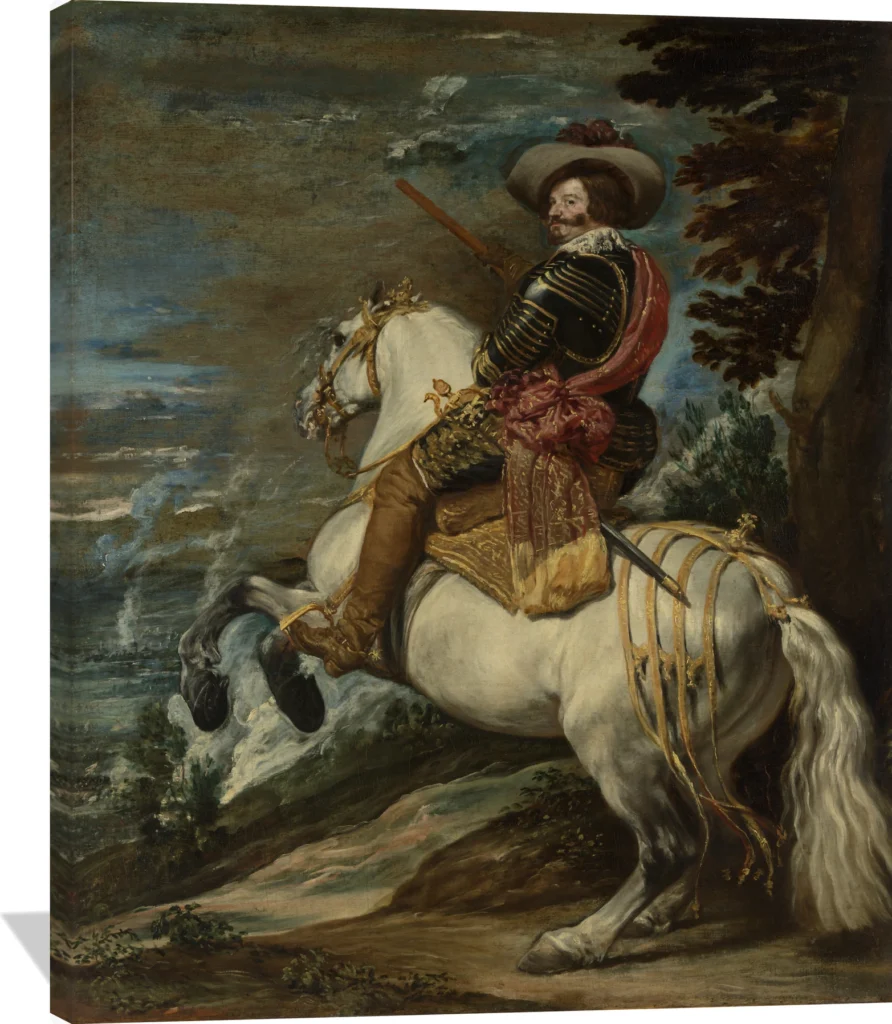
The Juan Bautista Martínez del Mazo Don Gaspar de Guzmán (1587–1645), Count-Duke of Olivares canvas captures the commanding presence of a noble figure astride a powerful white horse. Rich earth tones, deep golds, and muted blues blend seamlessly with the painter’s refined brushwork, evoking both grandeur and introspection. The vertical composition and dramatic sky lend the piece a timeless sense of motion and authority.
This exquisite wall art brings a touch of Spanish Baroque elegance to any interior. Ideal for a sophisticated living room, study, or entryway, this canvas print celebrates the artistry and legacy of Martínez del Mazo with stately poise and enduring style.
Juan Bautista Martínez del Mazo (Cuenca ca. 1612–1667 Madrid) was one of 17th‑century Spain’s most accomplished painters, celebrated for his refined technique and close association with Diego Velázquez. As Velázquez’s son‑in‑law and studio collaborator, Mazo absorbed the mature naturalism of the Spanish court while developing a voice marked by clarity, precision, and a quietly poetic sensibility.
Artistic Style
Mazo’s work is distinguished by its luminous realism, elegant restraint, and masterful handling of space. His paintings often reveal a deep attentiveness to atmosphere and architectural detail, rendered with a calm exactitude that reflects the influence of both Spanish and Italian Baroque traditions. His command of perspective and his subtle, silvery palette give his compositions a distinctive harmony that continues to captivate viewers.
Subjects and Notable Contributions
Mazo excelled in portraits, historical scenes, and especially expansive landscapes genres in which he demonstrated exceptional observational skill. He is particularly known for producing sophisticated copies and reinterpretations of Velázquez’s court portraits, a task entrusted to him due to his remarkable fidelity to the master’s style. Works such as View of Zaragoza and View of the Sierra de Guadarrama highlight his ability to blend topographical accuracy with a serene, noble atmosphere.
Cultural Significance
As a court painter to King Philip IV, Mazo played a vital role in shaping the visual identity of the Spanish monarchy during the later Baroque era. His paintings offer invaluable insight into the aesthetics of the Habsburg court and the evolving artistic culture of 17th‑century Spain. Today, he is recognized as a key figure who helped preserve and extend the artistic legacy of Velázquez while establishing his own place within the Golden Age of Spanish painting.
Trust & policies
- 🚚 Free worldwide shipping
- 🔁 30-day returns (change of mind)
- 🛡️ If damaged/defective/misprinted: free replacement or full refund
- 🌍 Printed in US/CA/EU/UK/AU (based on delivery location)
- 💎 Made to order using acid-free, fade-resistant canvas
- 💎 Solid wood stretcher bars • Pine floating frames
- 🪝 Ready to hang

Shipwreck off Nantucket (Wreck off Nantucket after a Storm)
William BradfordCanvas from
222,00 leiSelect options This product has multiple variants. The options may be chosen on the product pageCorn Husking
David Gilmour BlytheCanvas from
147,00 leiSelect options This product has multiple variants. The options may be chosen on the product pageJames Badger
Joseph BadgerCanvas from
142,00 leiSelect options This product has multiple variants. The options may be chosen on the product pageAn Indian Encampment
Ralph Albert BlakelockCanvas from
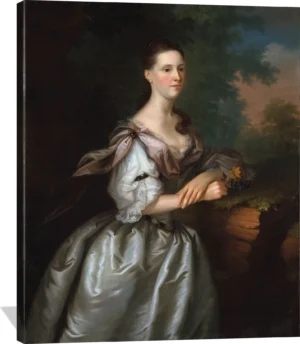
195,00 leiSelect options This product has multiple variants. The options may be chosen on the product pageMrs. Benjamin Simons
Henry BenbridgeCanvas from
142,00 leiSelect options This product has multiple variants. The options may be chosen on the product pageWalt Whitman
John White AlexanderCanvas from
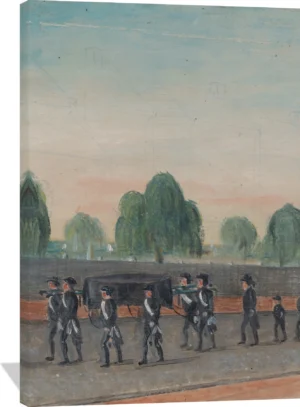
142,00 leiSelect options This product has multiple variants. The options may be chosen on the product pageAdult Funeral Procession
William P. ChappelCanvas from
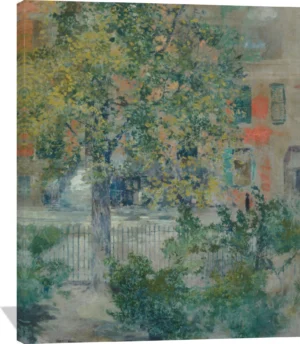
222,00 leiSelect options This product has multiple variants. The options may be chosen on the product pageView from the Artist’s Window, Grove Street
Robert Frederick BlumCanvas from
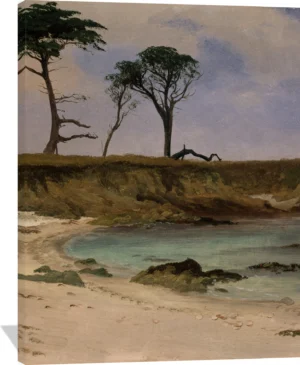
142,00 leiSelect options This product has multiple variants. The options may be chosen on the product pageSea Cove
Albert BierstadtCanvas from
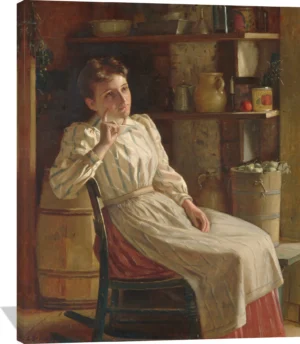
147,00 leiSelect options This product has multiple variants. The options may be chosen on the product pageMeditation
John George BrownCanvas from
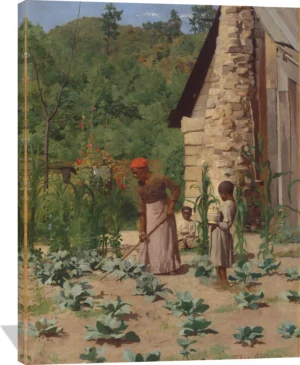
142,00 leiSelect options This product has multiple variants. The options may be chosen on the product pageThe Way They Live
Thomas AnshutzCanvas from
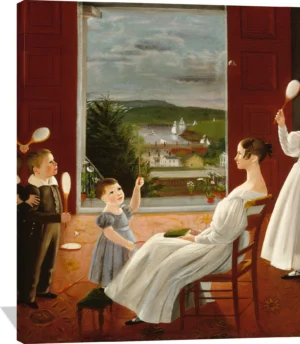
147,00 leiSelect options This product has multiple variants. The options may be chosen on the product pageThe Children of Nathan Starr
Ambrose AndrewsCanvas from
142,00 leiSelect options This product has multiple variants. The options may be chosen on the product pageMrs. Samuel Cutts
Joseph BlackburnCanvas from
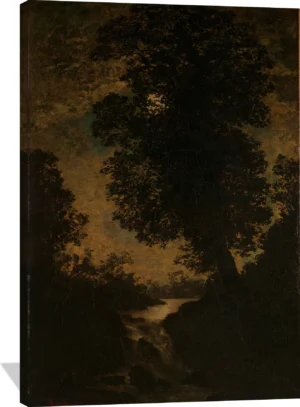
142,00 leiSelect options This product has multiple variants. The options may be chosen on the product pageA Waterfall, Moonlight
Ralph Albert BlakelockCanvas from
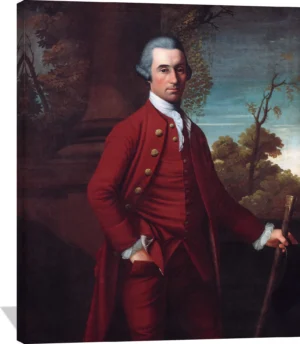
222,00 leiSelect options This product has multiple variants. The options may be chosen on the product pagePortrait of a Gentleman
Henry BenbridgeCanvas from
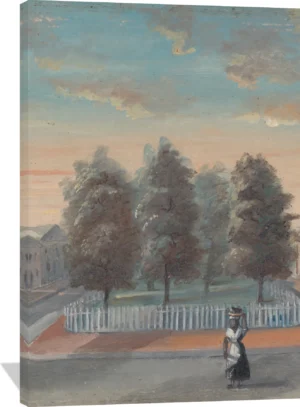
142,00 leiSelect options This product has multiple variants. The options may be chosen on the product pageBaked Pears in Duane Park
William P. ChappelCanvas from
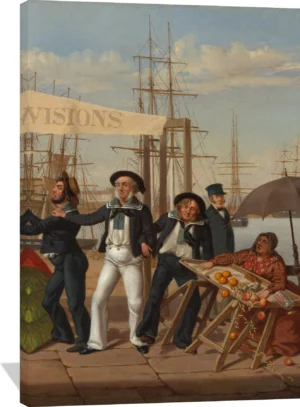
222,00 leiSelect options This product has multiple variants. The options may be chosen on the product pageAfter a Long Cruise
John CarlinCanvas from
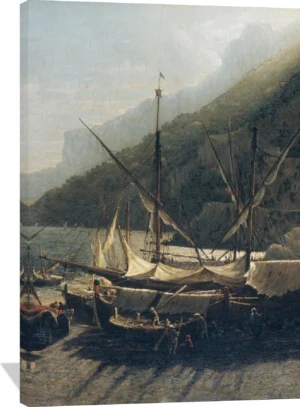
222,00 leiSelect options This product has multiple variants. The options may be chosen on the product pageView at Amalfi, Bay of Salerno
George Loring BrownCanvas from
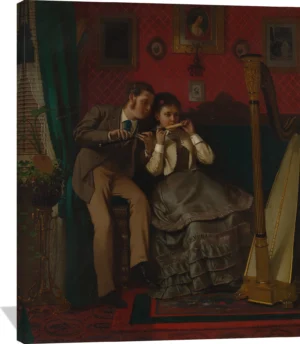
222,00 leiSelect options This product has multiple variants. The options may be chosen on the product pageThe Music Lesson
John George BrownCanvas from
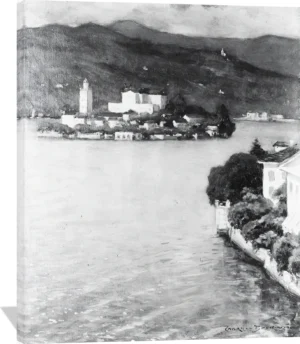
142,00 leiSelect options This product has multiple variants. The options may be chosen on the product pageLake of Orta
J. Carroll BeckwithCanvas from
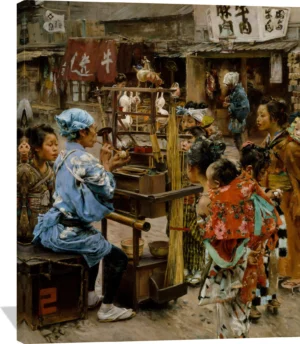
142,00 leiSelect options This product has multiple variants. The options may be chosen on the product pageThe Ameya
Robert Frederick BlumCanvas from
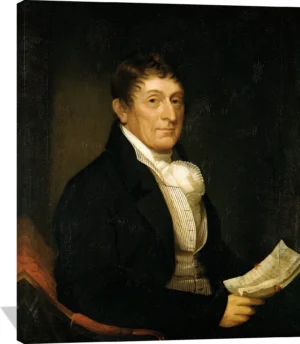
142,00 leiSelect options This product has multiple variants. The options may be chosen on the product pagePhilip Van Cortlandt
Ezra AmesCanvas from
142,00 leiSelect options This product has multiple variants. The options may be chosen on the product page
Explore Portraits
Jeanne Hébuterne
Amedeo ModiglianiCanvas from
142,00 leiSelect options This product has multiple variants. The options may be chosen on the product pageGirl in a Sailor’s Blouse
Amedeo ModiglianiCanvas from
147,00 leiSelect options This product has multiple variants. The options may be chosen on the product pageSelf-Portrait
Umberto BoccioniCanvas from
142,00 leiSelect options This product has multiple variants. The options may be chosen on the product pageThe Fitting Room
Kenneth Hayes MillerCanvas from
142,00 leiSelect options This product has multiple variants. The options may be chosen on the product pageThe Jabach Family
Charles Le BrunCanvas from
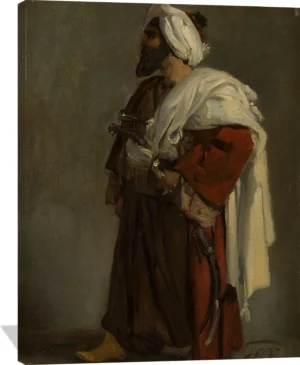
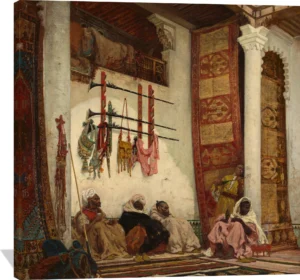
142,00 leiSelect options This product has multiple variants. The options may be chosen on the product pageArab Warrior
Horace VernetCanvas from
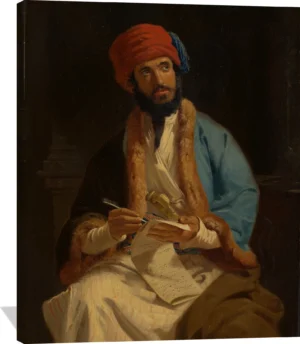
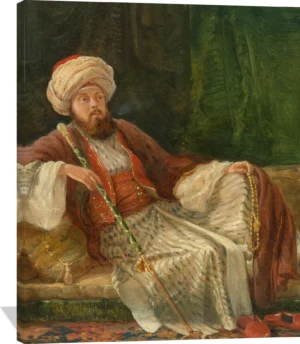
147,00 leiSelect options This product has multiple variants. The options may be chosen on the product pageThe Arab Sage
German PainterCanvas from
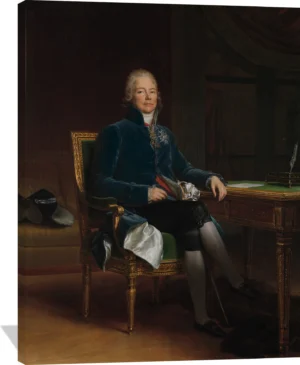
142,00 leiSelect options This product has multiple variants. The options may be chosen on the product pageCharles Maurice de Talleyrand Périgord (1754–1838), Prince de Bénévent
baron François GérardCanvas from
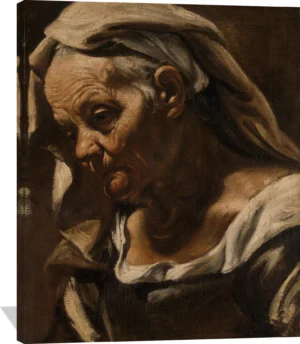
147,00 leiSelect options This product has multiple variants. The options may be chosen on the product pageHead of an Old Woman
Orazio BorgianniCanvas from
142,00 leiSelect options This product has multiple variants. The options may be chosen on the product pageSelf-Portrait
Anton Raphael MengsCanvas from
142,00 leiSelect options This product has multiple variants. The options may be chosen on the product pageSeated Arab Man with Horse
Alfred DedreuxCanvas from
142,00 leiSelect options This product has multiple variants. The options may be chosen on the product pageA Cardinal’s Procession
Ottavio Leoni (Il Padovano)Canvas from
195,00 leiSelect options This product has multiple variants. The options may be chosen on the product pageAn Egyptian in a Doorway
Sir Lawrence Alma-TademaCanvas from
147,00 leiSelect options This product has multiple variants. The options may be chosen on the product pageWestern Gentleman in Oriental Costume
British PainterCanvas from
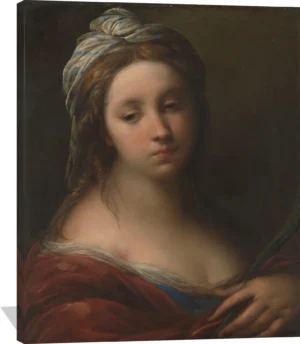
142,00 leiSelect options This product has multiple variants. The options may be chosen on the product pageA Female Martyr Saint
Carlo Francesco NuvoloneCanvas from
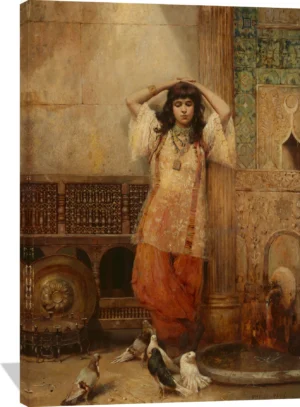
142,00 leiSelect options This product has multiple variants. The options may be chosen on the product pageGirl in a Courtyard, Algiers (formerly Courtyard in Tangier)
Philippe PavyCanvas from
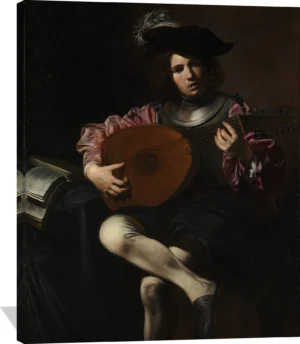
222,00 leiSelect options This product has multiple variants. The options may be chosen on the product pageLute Player
Valentin de BoulogneCanvas from
142,00 leiSelect options This product has multiple variants. The options may be chosen on the product pageThe Opium Smokers
Georges ClairinCanvas from
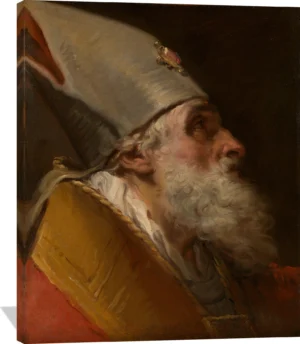
195,00 leiSelect options This product has multiple variants. The options may be chosen on the product pageHead of a Bishop
Gaetano GandolfiCanvas from
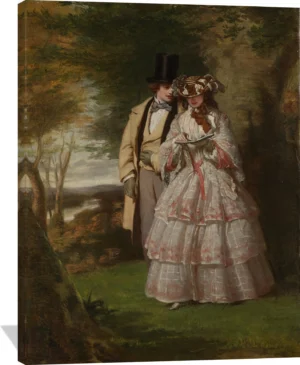
142,00 leiSelect options This product has multiple variants. The options may be chosen on the product pageThe Two Central Figures in “Derby Day”
William Powell FrithCanvas from
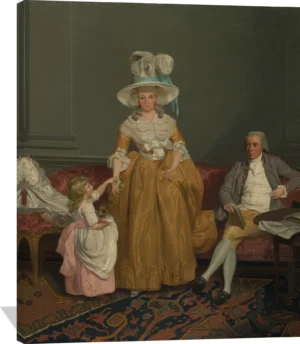
147,00 leiSelect options This product has multiple variants. The options may be chosen on the product pageThe Saithwaite Family
Francis WheatleyCanvas from
142,00 leiSelect options This product has multiple variants. The options may be chosen on the product page

Explore Baroque
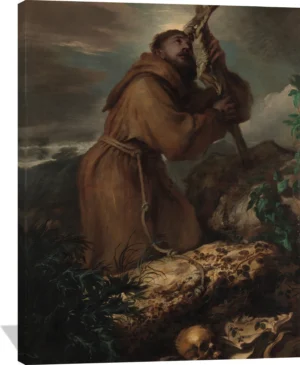
Saint Francis in Ecstasy
Giovanni Benedetto Castiglione (Il Grechetto)Canvas from
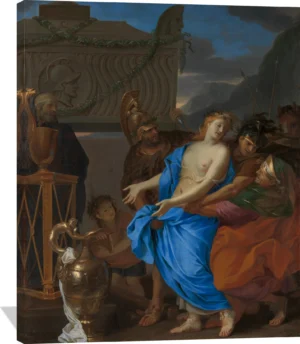
147,00 leiSelect options This product has multiple variants. The options may be chosen on the product pageThe Sacrifice of Polyxena
Charles Le BrunCanvas from
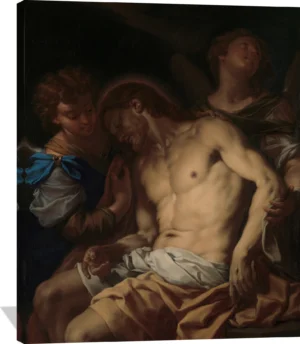
142,00 leiSelect options This product has multiple variants. The options may be chosen on the product pageDead Christ Supported by Angels
Francesco TrevisaniCanvas from
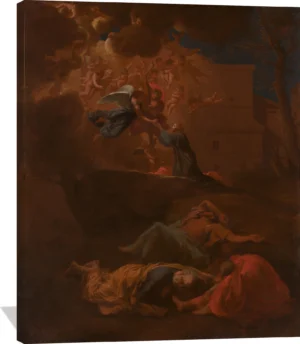
142,00 leiSelect options This product has multiple variants. The options may be chosen on the product pageThe Agony in the Garden
Nicolas PoussinCanvas from
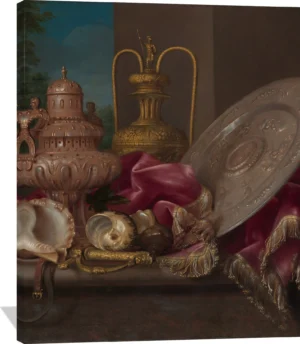
142,00 leiSelect options This product has multiple variants. The options may be chosen on the product pageStill Life with Silver and Gold Plate, Shells, and a Sword
Meiffren ConteCanvas from
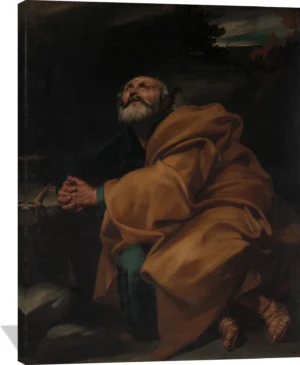
142,00 leiSelect options This product has multiple variants. The options may be chosen on the product pageThe Tears of Saint Peter
Jusepe de Ribera (called Lo Spagnoletto)Canvas from
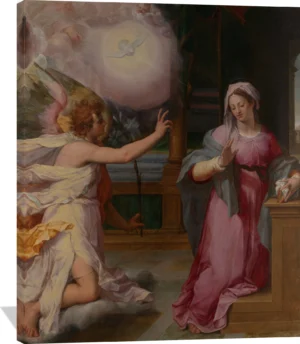
147,00 leiSelect options This product has multiple variants. The options may be chosen on the product pageThe Annunciation
Peter Candid (Pieter de Witte, Pietro Candido)Canvas from
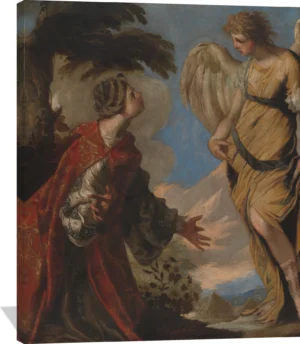
142,00 leiSelect options This product has multiple variants. The options may be chosen on the product pageHagar and the Angel
Francesco MaffeiCanvas from
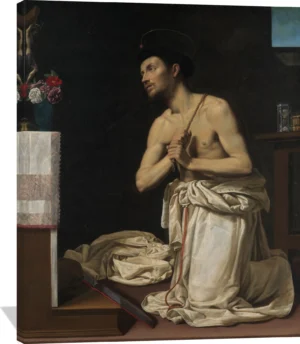
142,00 leiSelect options This product has multiple variants. The options may be chosen on the product pageSaint Dominic in Penitence
Filippo TarchianiCanvas from
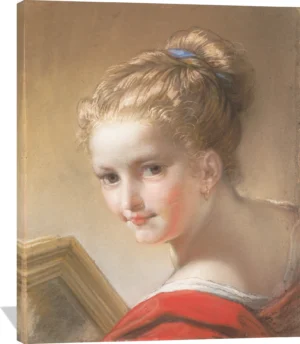
142,00 leiSelect options This product has multiple variants. The options may be chosen on the product pageStudy of a Girl in Red
Benedetto LutiCanvas from
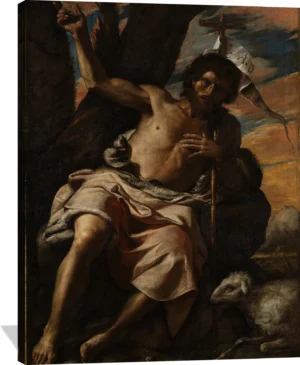
142,00 leiSelect options This product has multiple variants. The options may be chosen on the product pageSaint John the Baptist Preaching
Mattia Preti (Il Cavalier Calabrese)Canvas from
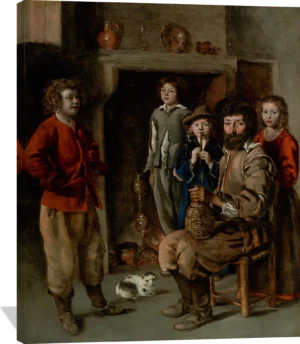
147,00 leiSelect options This product has multiple variants. The options may be chosen on the product pageA Peasant Family
Antoine Le NainCanvas from
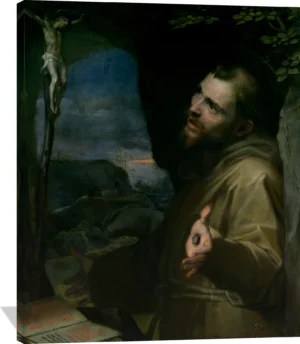
142,00 leiSelect options This product has multiple variants. The options may be chosen on the product pageSaint Francis
Federico BarocciCanvas from
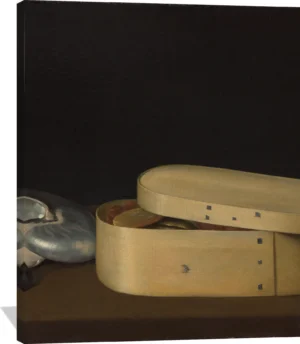
142,00 leiSelect options This product has multiple variants. The options may be chosen on the product pageStill Life with Shells and a Chip-Wood Box
Sebastian StoskopffCanvas from
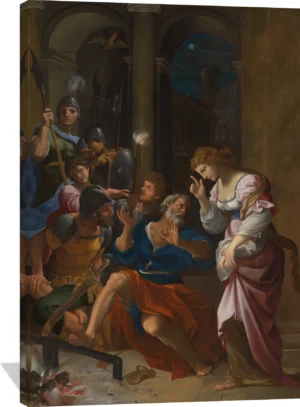
142,00 leiSelect options This product has multiple variants. The options may be chosen on the product pageThe Denial of Saint Peter
Ludovico CarracciCanvas from
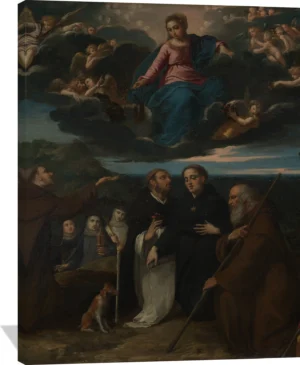
222,00 leiSelect options This product has multiple variants. The options may be chosen on the product pageThe Virgin Adored by Saints
Scarsellino (Ippolito Scarsella)Canvas from
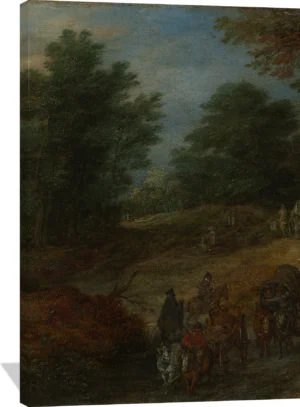
147,00 leiSelect options This product has multiple variants. The options may be chosen on the product pageLandscape with Travelers on a Woodland Path
Jan Brueghel the ElderCanvas from
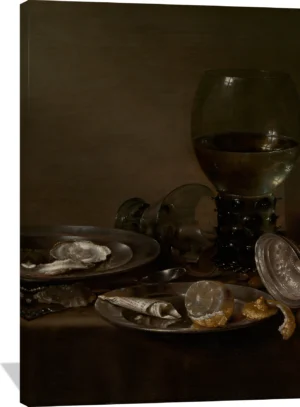
222,00 leiSelect options This product has multiple variants. The options may be chosen on the product pageStill Life with Oysters, a Silver Tazza, and Glassware
Willem Claesz HedaCanvas from
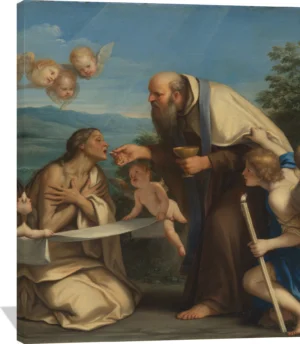
222,00 leiSelect options This product has multiple variants. The options may be chosen on the product pageThe Last Communion of Saint Mary of Egypt
Marcantonio FranceschiniCanvas from
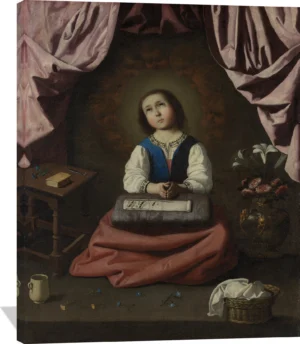
142,00 leiSelect options This product has multiple variants. The options may be chosen on the product pageThe Young Virgin
Francisco de ZurbaránCanvas from
142,00 leiSelect options This product has multiple variants. The options may be chosen on the product pageThe Golden Age
Joachim WtewaelCanvas from
142,00 leiSelect options This product has multiple variants. The options may be chosen on the product page
Explore Mammals
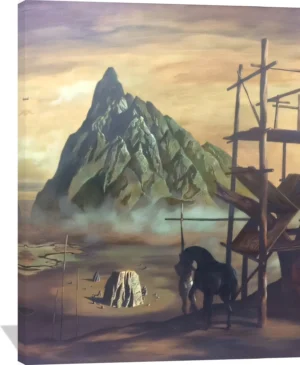
The Black Horse
John AthertonCanvas from
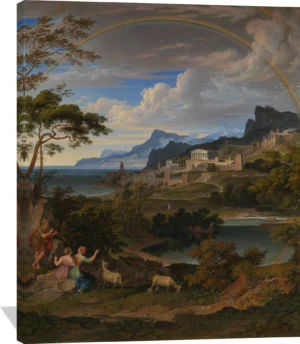
147,00 leiSelect options This product has multiple variants. The options may be chosen on the product pageHeroic Landscape with Rainbow
Joseph Anton KochCanvas from
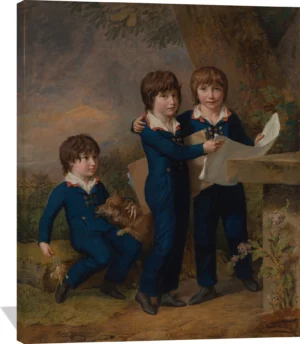
142,00 leiSelect options This product has multiple variants. The options may be chosen on the product pageThe Children of Martin Anton Heckscher: Johann Gustav Wilhelm Moritz (1797–1865), Carl Martin Adolph (1796–1850), and Leopold (born 1792)
Johann Heinrich Wilhelm TischbeinCanvas from
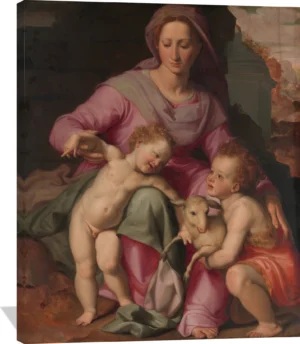
142,00 leiSelect options This product has multiple variants. The options may be chosen on the product pageMadonna and Child with the Infant Saint John the Baptist
Santi di TitoCanvas from
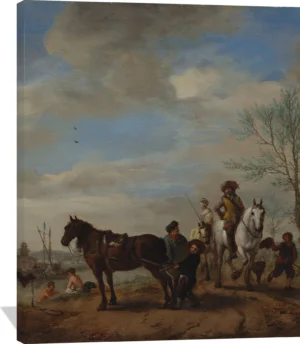
142,00 leiSelect options This product has multiple variants. The options may be chosen on the product pageA Man and a Woman on Horseback
Philips WouwermanCanvas from
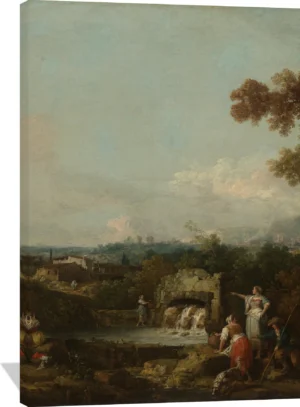
142,00 leiSelect options This product has multiple variants. The options may be chosen on the product pageLandscape with Peasants at a Fountain
Francesco ZuccarelliCanvas from
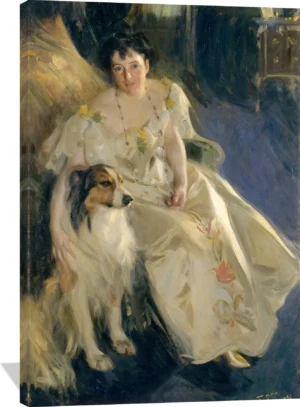
222,00 leiSelect options This product has multiple variants. The options may be chosen on the product pageMrs. Walter Rathbone Bacon (Virginia Purdy Barker, 1862–1919)
Anders ZornCanvas from
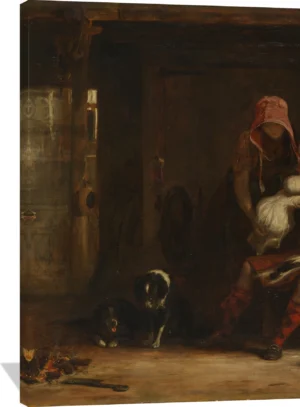
222,00 leiSelect options This product has multiple variants. The options may be chosen on the product pageThe Highland Family
Sir David WilkieCanvas from
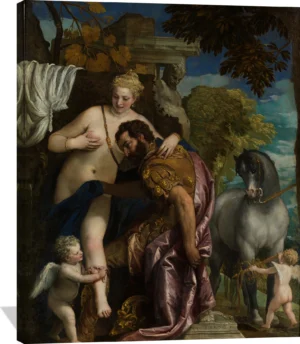
222,00 leiSelect options This product has multiple variants. The options may be chosen on the product pageMars and Venus United by Love
Paolo Veronese (Paolo Caliari)Canvas from
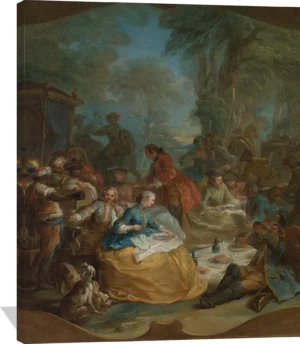
142,00 leiSelect options This product has multiple variants. The options may be chosen on the product pageHalt of the Hunt
Carle (Charles André) VanlooCanvas from
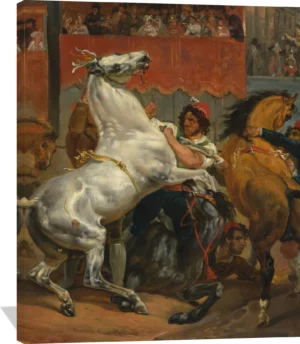
142,00 leiSelect options This product has multiple variants. The options may be chosen on the product pageThe Start of the Race of the Riderless Horses
Horace VernetCanvas from
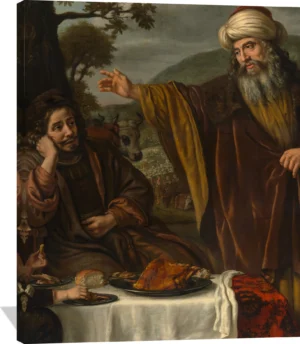
142,00 leiSelect options This product has multiple variants. The options may be chosen on the product pageAbraham’s Parting from the Family of Lot
Jan VictorsCanvas from
142,00 leiSelect options This product has multiple variants. The options may be chosen on the product pageGoing to Market
Constant TroyonCanvas from
142,00 leiSelect options This product has multiple variants. The options may be chosen on the product pageSaint Margaret of Cortona
Gaspare TraversiCanvas from
147,00 leiSelect options This product has multiple variants. The options may be chosen on the product pageThe Flight into Egypt
Cosmè Tura (Cosimo di Domenico di Bonaventura)Canvas from
195,00 leiSelect options This product has multiple variants. The options may be chosen on the product pageThe Billiard Room
Nicolas Antoine TaunayCanvas from
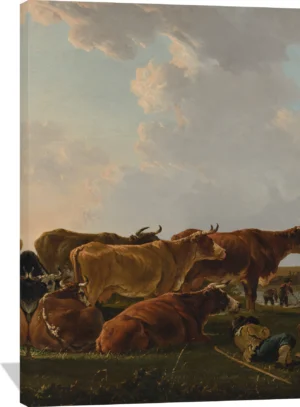
142,00 leiSelect options This product has multiple variants. The options may be chosen on the product pageLandscape with Cattle
Jacob van StrijCanvas from
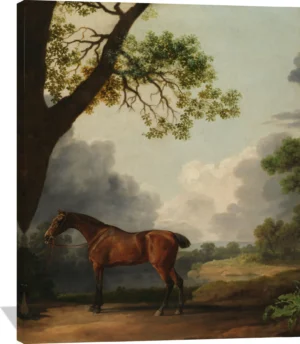
142,00 leiSelect options This product has multiple variants. The options may be chosen on the product pageThe Third Duke of Dorset’s Hunter with a Groom and a Dog
George StubbsCanvas from
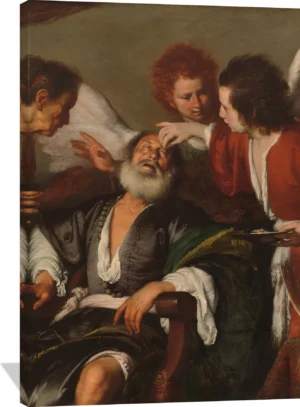
142,00 leiSelect options This product has multiple variants. The options may be chosen on the product pageTobias Curing His Father’s Blindness
Bernardo StrozziCanvas from
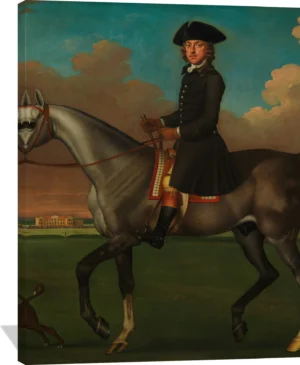
222,00 leiSelect options This product has multiple variants. The options may be chosen on the product pagePortrait of a Horseman
James SeymourCanvas from
147,00 leiSelect options This product has multiple variants. The options may be chosen on the product pageSoldiers Bivouacking
Pieter SnayersCanvas from
147,00 leiSelect options This product has multiple variants. The options may be chosen on the product page