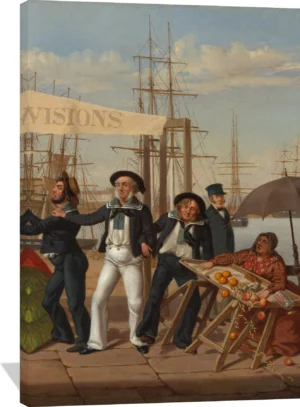
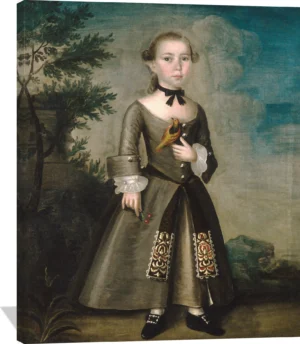
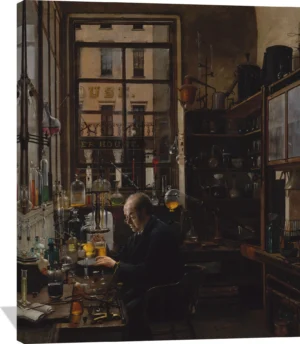
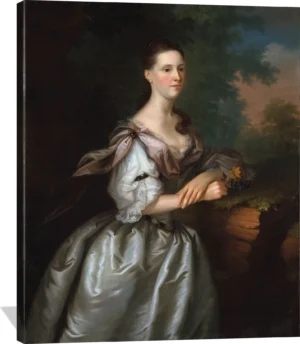
The Billiard Room
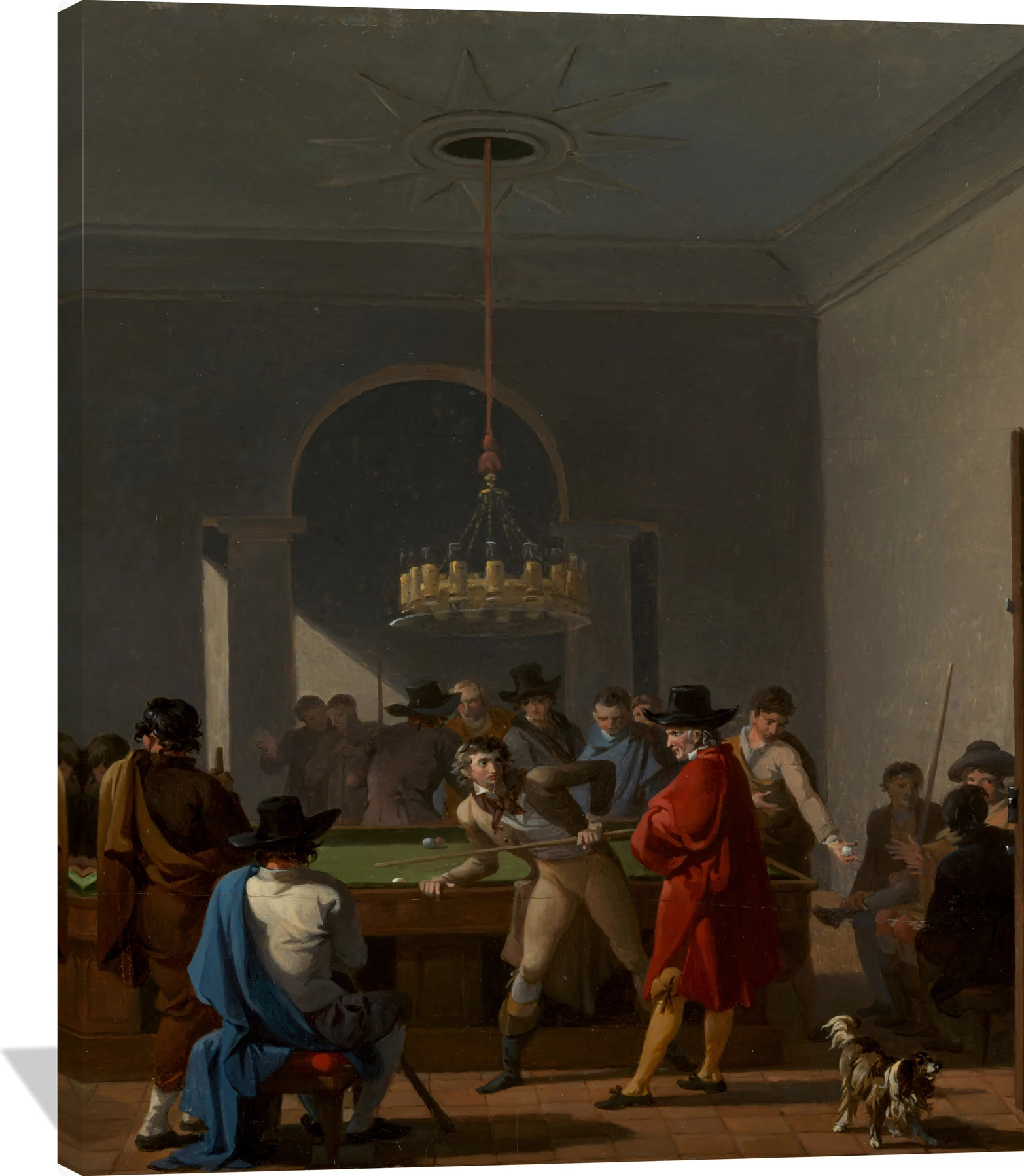
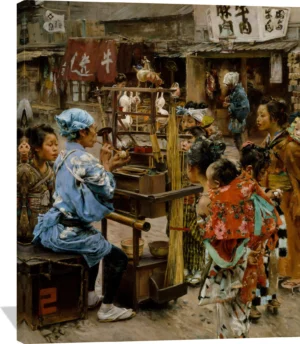
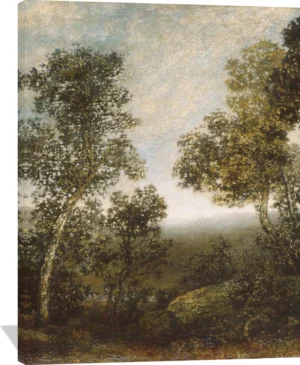
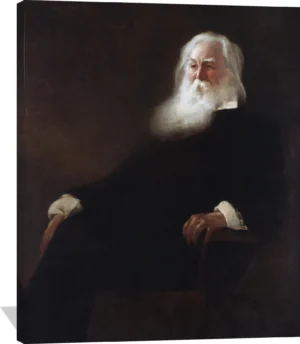
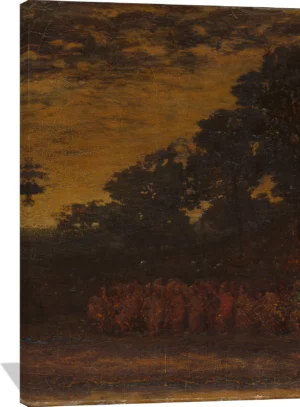
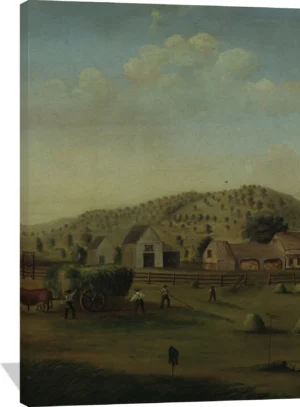
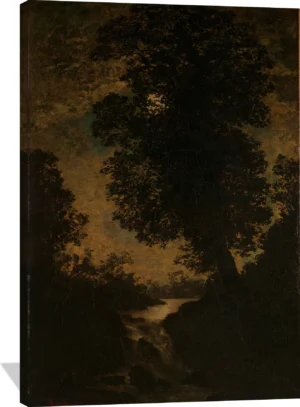
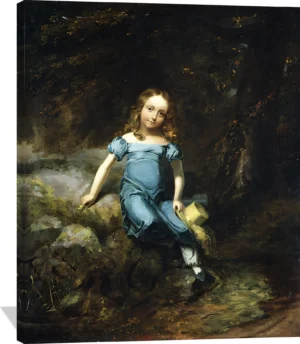
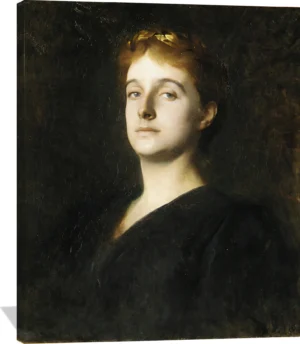
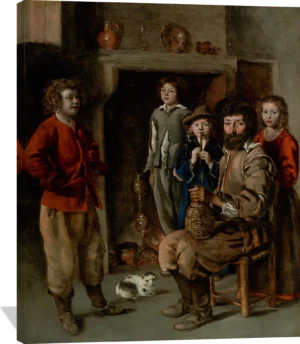
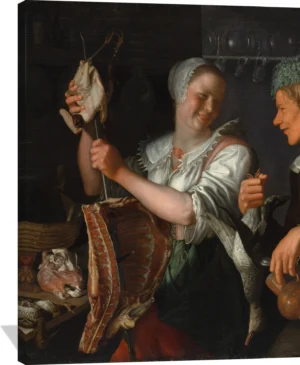
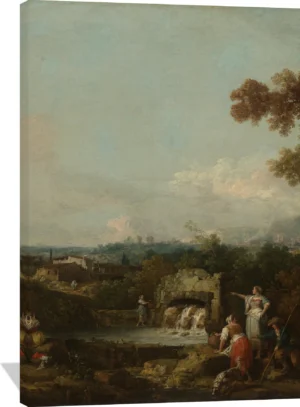
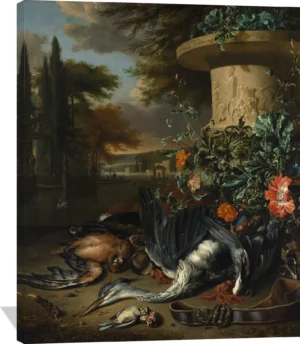
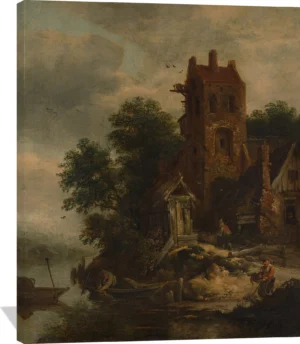
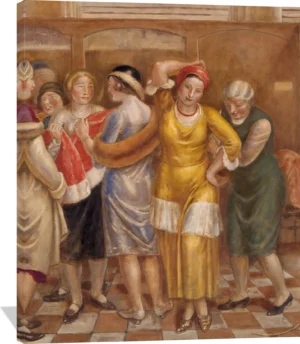
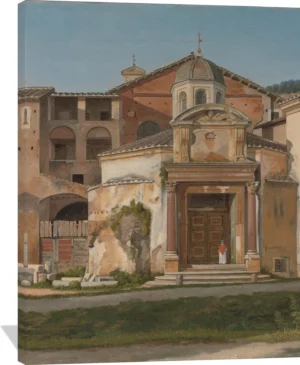
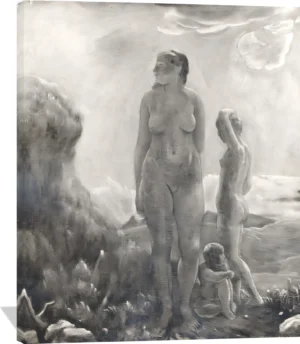
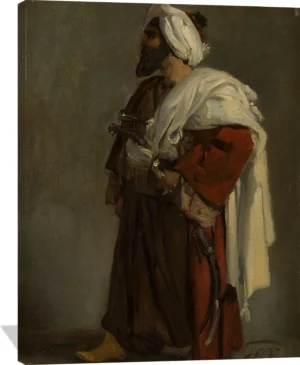
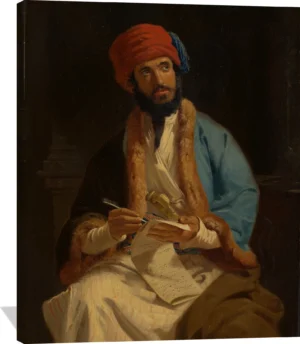
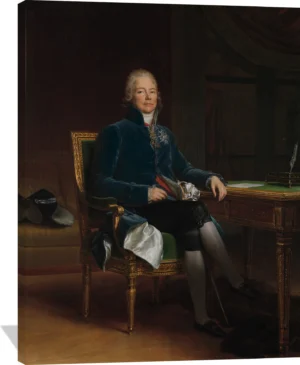
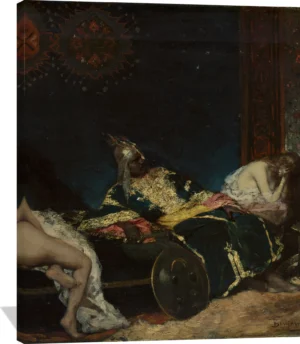
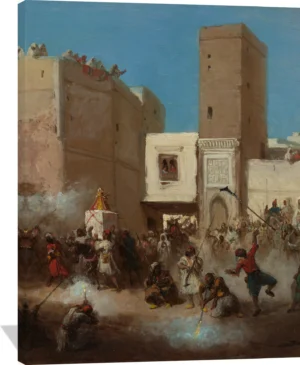
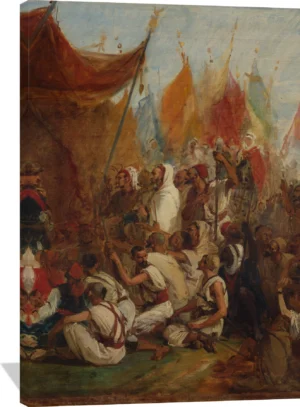
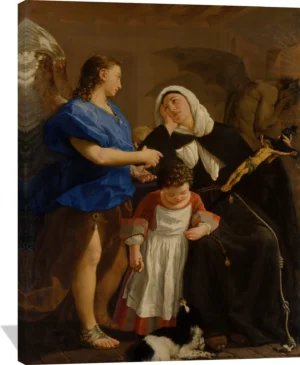
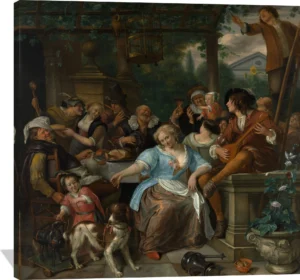
The Nicolas Antoine Taunay The Billiard Room canvas captures a refined social scene bathed in warm light and rich shadow. Earthy browns, muted blues, and soft golds draw the eye through a stately interior where figures gather around a billiard table, evoking the elegance and camaraderie of 18th-century leisure. Taunay’s masterful use of perspective and contrast gives this piece a timeless sophistication.
This exquisite wall art brings an air of cultured charm to any living room, study, or entryway. A canvas print of The Billiard Room invites conversation and quiet admiration, blending classical artistry with enduring style.
Nicolas Antoine Taunay (1755–1830) was a distinguished French painter whose refined technique and lyrical sensibility positioned him as a notable figure of late eighteenth‑ and early nineteenth‑century art. Trained in Paris and shaped by the traditions of the French Academy, he became known for his poetic landscapes and historical scenes, marked by clarity of form and subtle atmospheric effects.
Artistic Style
Taunay’s work blends classical precision with an emerging Romantic sensitivity. His compositions often feature graceful topographies, luminous skies, and carefully orchestrated perspectives that guide the viewer through serene yet expressive environments. The interplay of light and shadow, along with his meticulous handling of detail, gives his paintings a distinctive elegance rooted in classical ideals but enriched by emotional nuance.
Typical Subjects
Although trained as a history painter, Taunay excelled in landscapes populated with small narrative figures. He painted pastoral scenes, mythological settings, and episodes inspired by antiquity, as well as views reflecting the cultural aspirations of his era. During his time in Brazil as part of the French Artistic Mission, he produced notable depictions of local scenery and colonial society, offering a rare European perspective on the region in the early nineteenth century.
Notable Contributions
Taunay played an important role in shaping early Brazilian academic art through his teaching and example, helping establish foundational principles that influenced generations of artists. His ability to merge classical discipline with refined natural observation made him a valued contributor to the artistic dialogues of his time. Today, he is recognized for his mastery of atmospheric landscape and for his contributions to the spread of academic artistic values beyond Europe.
Cultural Significance
Taunay’s paintings embody a transitional moment between Enlightenment clarity and Romantic sentiment. His work offers insight into the aesthetics, ambitions, and global exchanges of the Napoleonic era. Collectors and admirers are drawn to the harmony, precision, and gentle lyricism that define his vision, ensuring his legacy as a significant figure in French and early Brazilian art history.
The Billiard Room
Trust & policies
- 🚚 Free worldwide shipping
- 🔁 30-day returns (change of mind)
- 🛡️ If damaged/defective/misprinted: free replacement or full refund
- 🌍 Printed in US/CA/EU/UK/AU (based on delivery location)
- 💎 Made to order using acid-free, fade-resistant canvas
- 💎 Solid wood stretcher bars • Pine floating frames
- 🪝 Ready to hang