Flowers and Birds
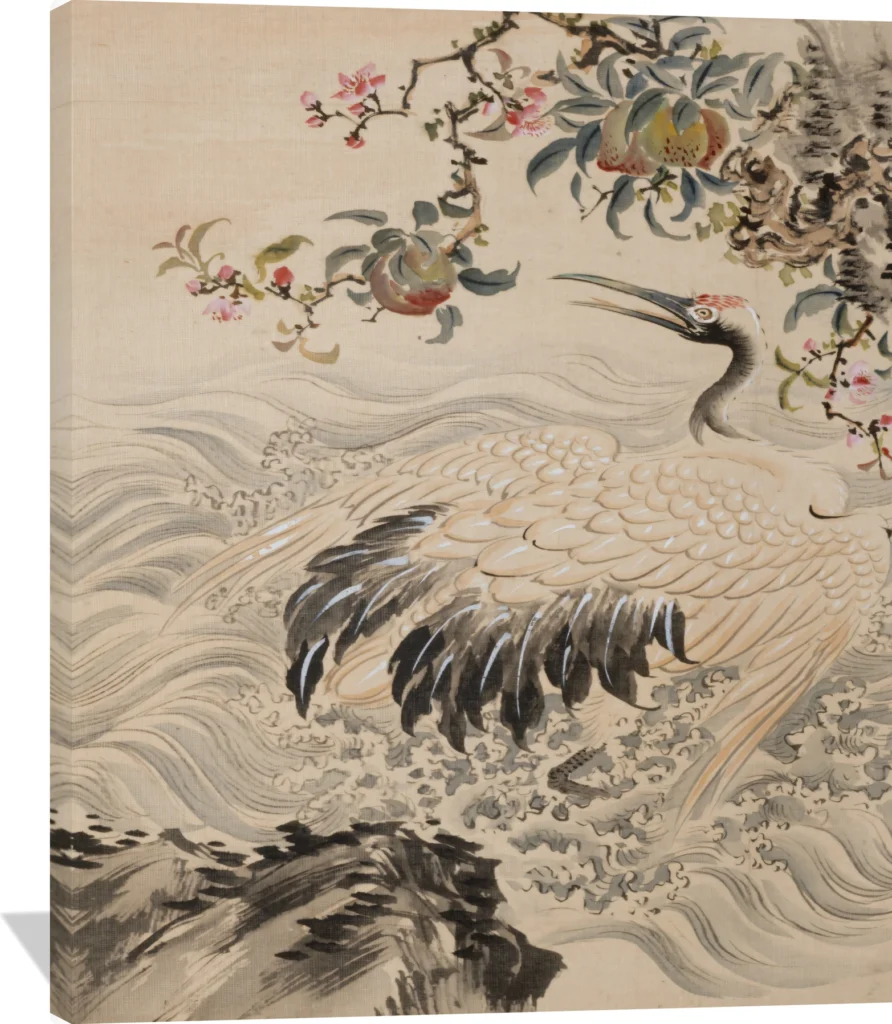
The Taki Katei Flowers and Birds canvas captures the serene elegance of nature through fluid brushwork and delicate color harmony. A graceful crane stands amid swirling water, framed by soft blossoms and textured bark, rendered in muted tones of cream, gray, blush, and slate. The composition evokes quiet movement and timeless balance, characteristic of Japanese painting from the late 19th century.
This exquisite wall art brings a sense of refinement and calm to any interior. Ideal for a living room, study, or entryway, this canvas print invites contemplation and adds a touch of natural poetry to modern or traditional spaces alike.
Taki Katei (1830–1901) was a distinguished Japanese painter whose mastery of brushwork and devotion to classical traditions made him one of the most respected artists of the late Edo and Meiji periods.
Artistic Style
Katei’s work is defined by highly refined ink technique, luminous color accents, and meticulous attention to natural forms. Trained in the Nanga and academic Chinese-inspired painting schools, he excelled at blending disciplined brush control with expressive, atmospheric compositions. His paintings often balance bold, confident lines with delicate modulations of ink, creating works celebrated for their subtlety and emotional depth.
Subjects and Themes
Nature was central to Katei’s artistic vision. He frequently depicted birds, flowers, animals, and seasonal landscapes, transforming traditional motifs into vivid, poetic imagery. His renderings of peonies, chrysanthemums, and other iconic flora became particularly admired for their elegance and vitality. Even in narrative scenes, he used the natural world as a central expressive force, emphasizing harmony, rhythm, and the beauty of transient moments.
Notable Contributions
Katei played an important role in sustaining and elevating classical painting practices during a time of rapid modernization in Japan. His work was sought after in both domestic and international circles, and he contributed to major cultural exhibitions that helped present Japanese art to a global audience. As a respected teacher, he influenced a generation of younger painters who carried forward his disciplined approach to composition and brushwork.
Cultural Significance
Bridging eras of profound social change, Katei remained committed to the refined traditions of literati and courtly painting while embracing the broader artistic exchanges of the Meiji period. His ability to preserve classical aesthetics while speaking to contemporary tastes secured his reputation as a master of ink and natural beauty. Today, his work continues to be celebrated for its technical brilliance and its serene, contemplative spirit.
Trust & policies
- 🚚 Free worldwide shipping
- 🔁 30-day returns (change of mind)
- 🛡️ If damaged/defective/misprinted: free replacement or full refund
- 🌍 Printed in US/CA/EU/UK/AU (based on delivery location)
- 💎 Made to order using acid-free, fade-resistant canvas
- 💎 Solid wood stretcher bars • Pine floating frames
- 🪝 Ready to hang

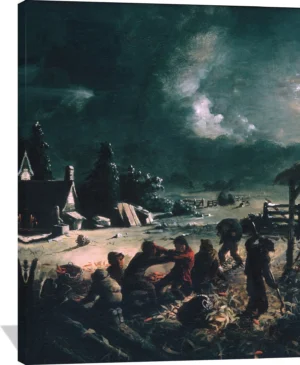
Corn Husking
David Gilmour BlytheCanvas from
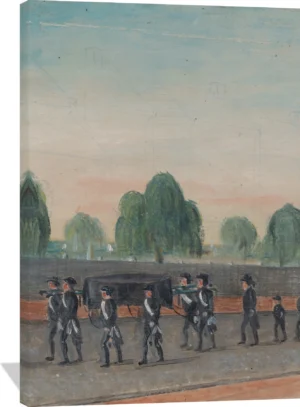
33,00 $Select options This product has multiple variants. The options may be chosen on the product pageAdult Funeral Procession
William P. ChappelCanvas from
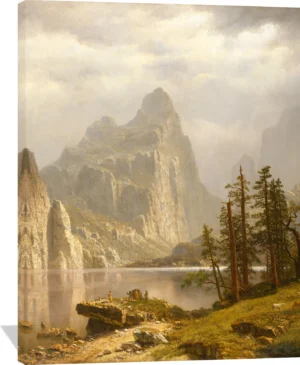
50,00 $Select options This product has multiple variants. The options may be chosen on the product pageMerced River, Yosemite Valley
Albert BierstadtCanvas from
33,00 $Select options This product has multiple variants. The options may be chosen on the product pageFur Traders Descending the Missouri
George Caleb BinghamCanvas from
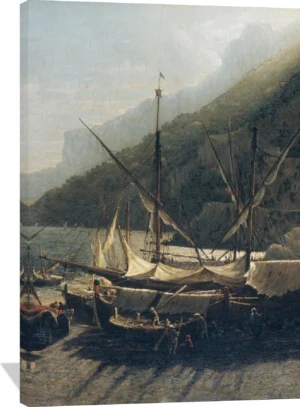
32,00 $Select options This product has multiple variants. The options may be chosen on the product pageView at Amalfi, Bay of Salerno
George Loring BrownCanvas from
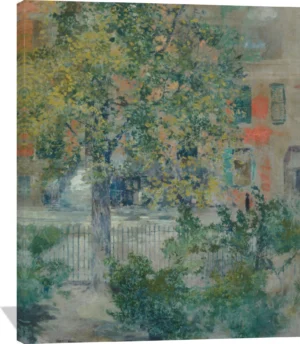
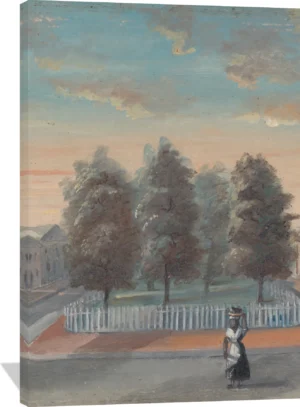
50,00 $Select options This product has multiple variants. The options may be chosen on the product pageView from the Artist’s Window, Grove Street
Robert Frederick BlumCanvas from
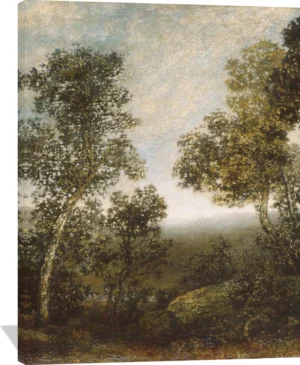
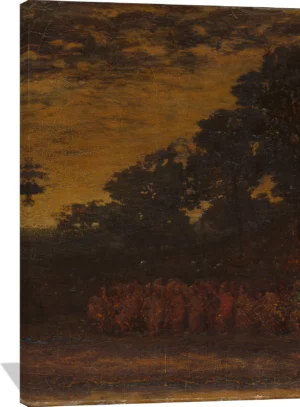
32,00 $Select options This product has multiple variants. The options may be chosen on the product pageLandscape
Ralph Albert BlakelockCanvas from
33,00 $Select options This product has multiple variants. The options may be chosen on the product pageBaked Pears in Duane Park
William P. ChappelCanvas from
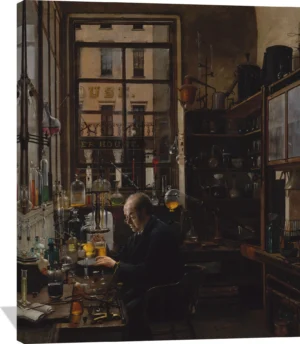
50,00 $Select options This product has multiple variants. The options may be chosen on the product pageIn the Laboratory
Henry AlexanderCanvas from
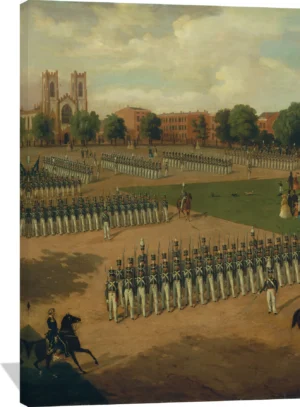
32,00 $Select options This product has multiple variants. The options may be chosen on the product pageSeventh Regiment on Review, Washington Square, New York
Otto BoetticherCanvas from
50,00 $Select options This product has multiple variants. The options may be chosen on the product pagePhilip Van Cortlandt
Ezra AmesCanvas from
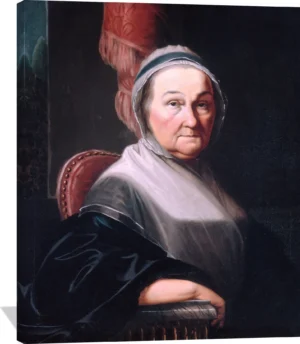
32,00 $Select options This product has multiple variants. The options may be chosen on the product pageMrs. Benjamin Simons
Henry BenbridgeCanvas from
32,00 $Select options This product has multiple variants. The options may be chosen on the product pageThe Pipe Dance
Ralph Albert BlakelockCanvas from
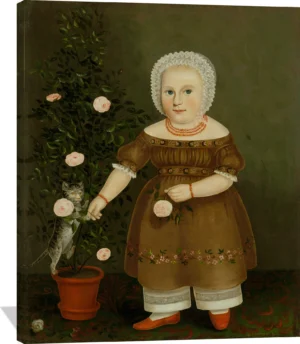
50,00 $Select options This product has multiple variants. The options may be chosen on the product pageEmma Homan
John BradleyCanvas from
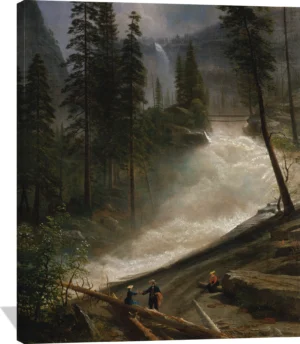
32,00 $Select options This product has multiple variants. The options may be chosen on the product pageNevada Falls, Yosemite
Albert BierstadtCanvas from
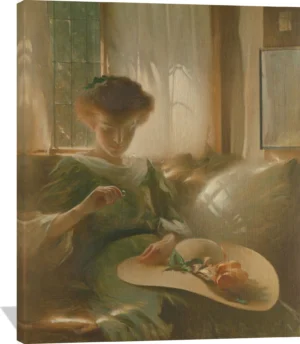
32,00 $Select options This product has multiple variants. The options may be chosen on the product pageThe Ring
John White AlexanderCanvas from
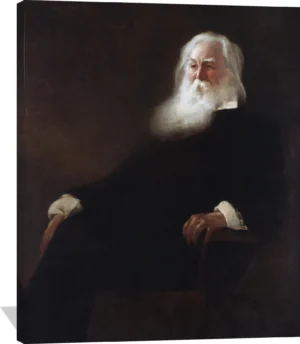
32,00 $Select options This product has multiple variants. The options may be chosen on the product pageWalt Whitman
John White AlexanderCanvas from
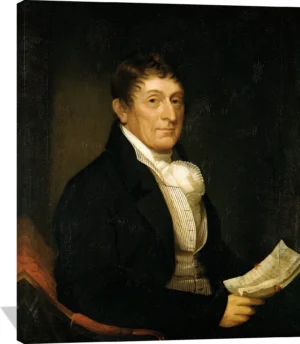
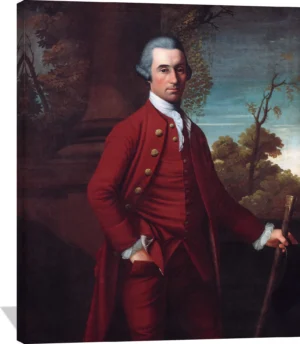
32,00 $Select options This product has multiple variants. The options may be chosen on the product pagePortrait of a Gentleman
Henry BenbridgeCanvas from
32,00 $Select options This product has multiple variants. The options may be chosen on the product pageMountain Scene
Albert BierstadtCanvas from
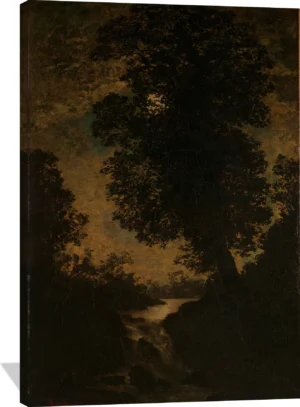
33,00 $Select options This product has multiple variants. The options may be chosen on the product pageA Waterfall, Moonlight
Ralph Albert BlakelockCanvas from
50,00 $Select options This product has multiple variants. The options may be chosen on the product pageMrs. Samuel Cutts
Joseph BlackburnCanvas from
32,00 $Select options This product has multiple variants. The options may be chosen on the product pageAn Indian Encampment
Ralph Albert BlakelockCanvas from
44,00 $Select options This product has multiple variants. The options may be chosen on the product page


Explore Animals
The Black Horse
John AthertonCanvas from
33,00 $Select options This product has multiple variants. The options may be chosen on the product pageThe Annunciation
Peter Candid (Pieter de Witte, Pietro Candido)Canvas from
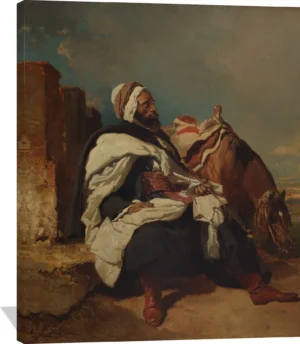
32,00 $Select options This product has multiple variants. The options may be chosen on the product pageSeated Arab Man with Horse
Alfred DedreuxCanvas from
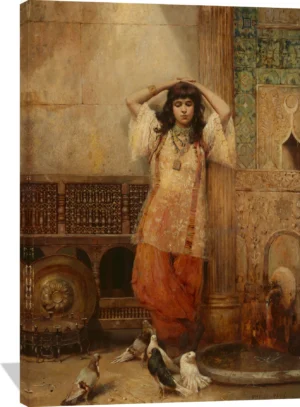
32,00 $Select options This product has multiple variants. The options may be chosen on the product pageGirl in a Courtyard, Algiers (formerly Courtyard in Tangier)
Philippe PavyCanvas from
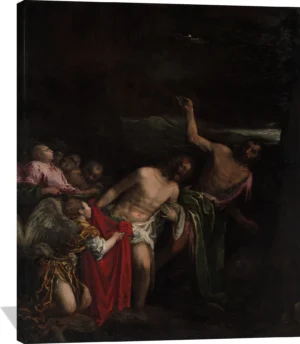
50,00 $Select options This product has multiple variants. The options may be chosen on the product pageThe Baptism of Christ
Jacopo Bassano (Jacopo da Ponte)Canvas from
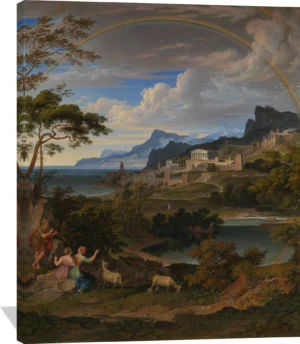
32,00 $Select options This product has multiple variants. The options may be chosen on the product pageHeroic Landscape with Rainbow
Joseph Anton KochCanvas from
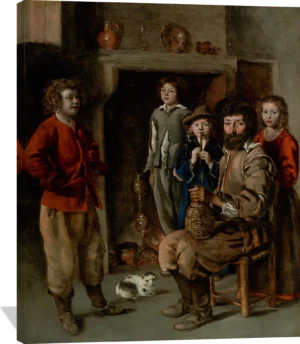
32,00 $Select options This product has multiple variants. The options may be chosen on the product pageA Peasant Family
Antoine Le NainCanvas from
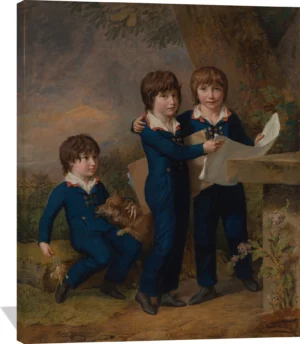
32,00 $Select options This product has multiple variants. The options may be chosen on the product pageThe Children of Martin Anton Heckscher: Johann Gustav Wilhelm Moritz (1797–1865), Carl Martin Adolph (1796–1850), and Leopold (born 1792)
Johann Heinrich Wilhelm TischbeinCanvas from
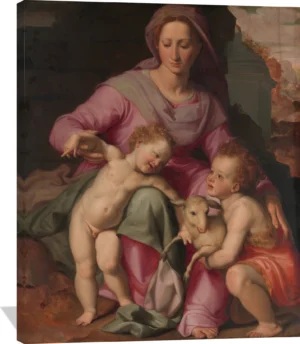
32,00 $Select options This product has multiple variants. The options may be chosen on the product pageMadonna and Child with the Infant Saint John the Baptist
Santi di TitoCanvas from
32,00 $Select options This product has multiple variants. The options may be chosen on the product pageLandscape with Travelers on a Woodland Path
Jan Brueghel the ElderCanvas from
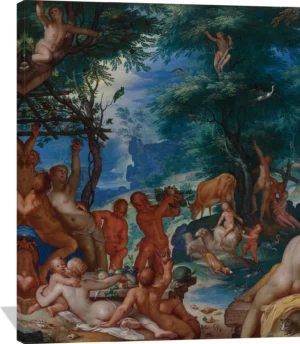
50,00 $Select options This product has multiple variants. The options may be chosen on the product pageThe Golden Age
Joachim WtewaelCanvas from
32,00 $Select options This product has multiple variants. The options may be chosen on the product pageA Man and a Woman on Horseback
Philips WouwermanCanvas from
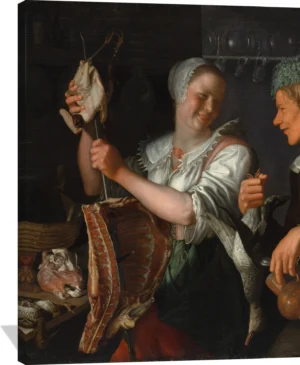
32,00 $Select options This product has multiple variants. The options may be chosen on the product pageKitchen Scene
Peter WtewaelCanvas from
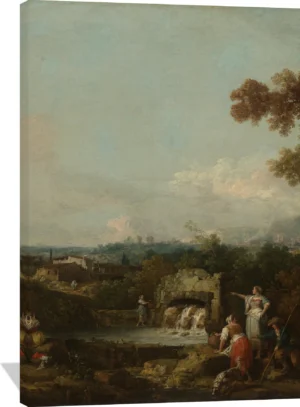
33,00 $Select options This product has multiple variants. The options may be chosen on the product pageLandscape with Peasants at a Fountain
Francesco ZuccarelliCanvas from
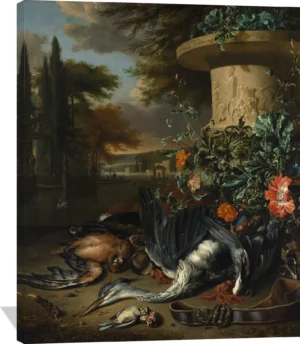
50,00 $Select options This product has multiple variants. The options may be chosen on the product pageGamepiece with a Dead Heron
Jan WeenixCanvas from
32,00 $Select options This product has multiple variants. The options may be chosen on the product pageThe Pigeon House
Roelof van VriesCanvas from
32,00 $Select options This product has multiple variants. The options may be chosen on the product pageMrs. Walter Rathbone Bacon (Virginia Purdy Barker, 1862–1919)
Anders ZornCanvas from
50,00 $Select options This product has multiple variants. The options may be chosen on the product pageThe Highland Family
Sir David WilkieCanvas from
50,00 $Select options This product has multiple variants. The options may be chosen on the product pageMars and Venus United by Love
Paolo Veronese (Paolo Caliari)Canvas from
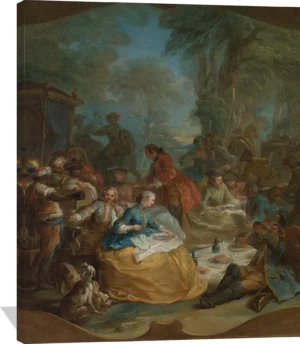
32,00 $Select options This product has multiple variants. The options may be chosen on the product pageHalt of the Hunt
Carle (Charles André) VanlooCanvas from
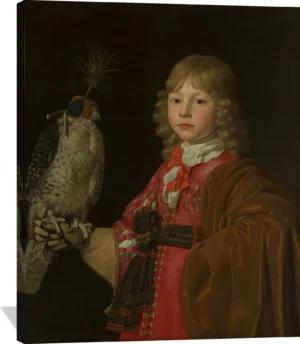
32,00 $Select options This product has multiple variants. The options may be chosen on the product pagePortrait of a Boy with a Falcon
Wallerant VaillantCanvas from
32,00 $Select options This product has multiple variants. The options may be chosen on the product page

Explore Intricate
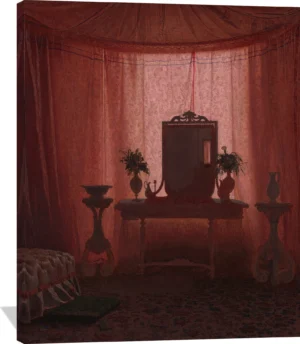
A Bedroom in Bernstorff Palace near Copenhagen
Johan Vilhelm GertnerCanvas from
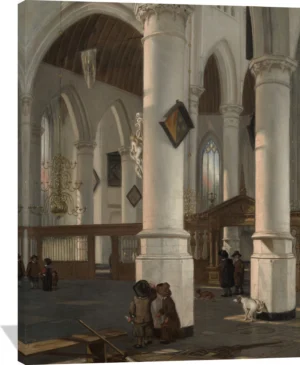
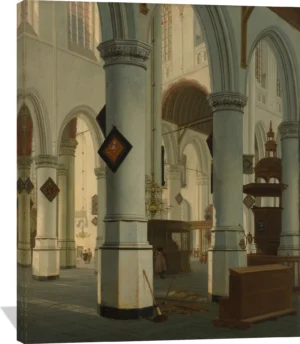
32,00 $Select options This product has multiple variants. The options may be chosen on the product pageInterior of the Oude Kerk, Delft
Emanuel de WitteCanvas from
33,00 $Select options This product has multiple variants. The options may be chosen on the product pageInterior of the Oude Kerk, Delft
Hendrick van VlietCanvas from
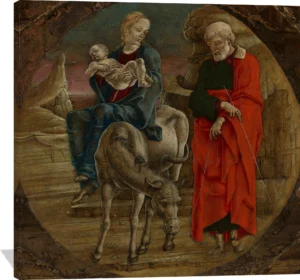
32,00 $Select options This product has multiple variants. The options may be chosen on the product pageThe Flight into Egypt
Cosmè Tura (Cosimo di Domenico di Bonaventura)Canvas from
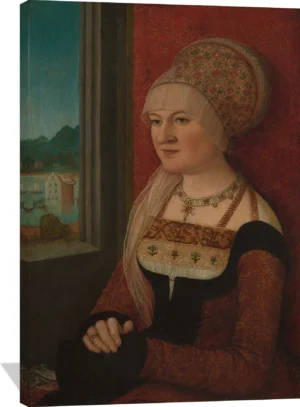
44,00 $Select options This product has multiple variants. The options may be chosen on the product pagePortrait of a Woman
Bernhard StrigelCanvas from
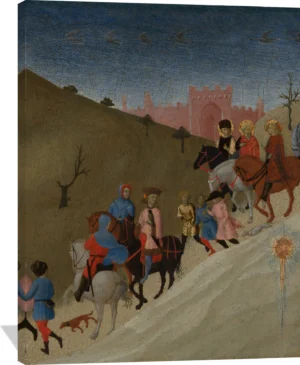
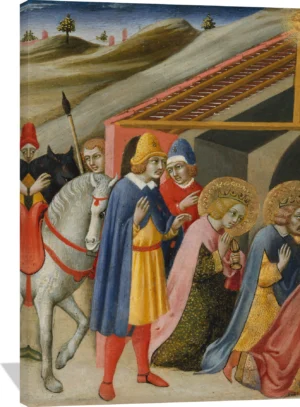
50,00 $Select options This product has multiple variants. The options may be chosen on the product pageThe Journey of the Magi
Sassetta (Stefano di Giovanni)Canvas from
33,00 $Select options This product has multiple variants. The options may be chosen on the product pageThe Adoration of the Magi
Sano di Pietro (Ansano di Pietro di Mencio)Canvas from
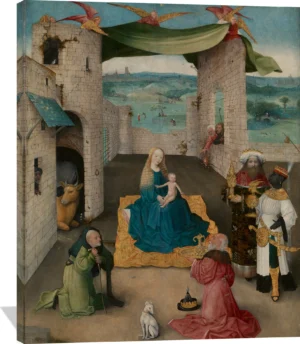
50,00 $Select options This product has multiple variants. The options may be chosen on the product pageThe Adoration of the Magi
Hieronymus BoschCanvas from
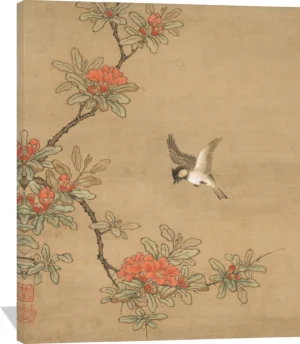
32,00 $Select options This product has multiple variants. The options may be chosen on the product pageTitmouse with Pomegranate Flowers
Kano Yukinobu 狩野之信Canvas from
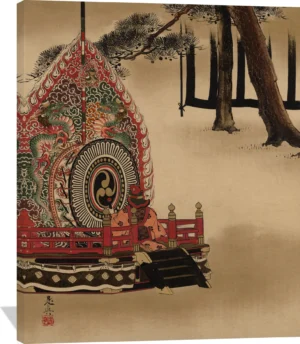
32,00 $Select options This product has multiple variants. The options may be chosen on the product pageLacquer Paintings of Various Subjects: Drum for Gagaku Dance
Shibata ZeshinCanvas from
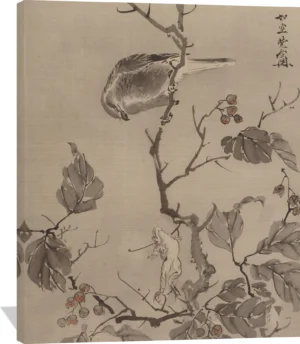
32,00 $Select options This product has multiple variants. The options may be chosen on the product pageBird and Frog
Kawanabe Kyōsai 河鍋暁斎Canvas from
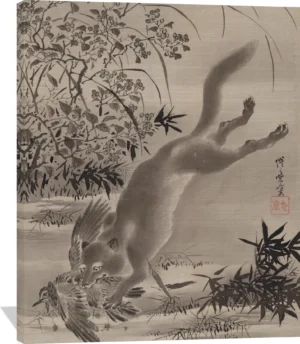
32,00 $Select options This product has multiple variants. The options may be chosen on the product pageFox Catching Bird
Kawanabe Kyōsai 河鍋暁斎Canvas from
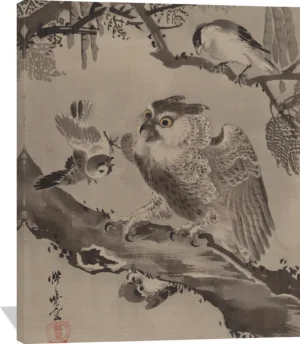
32,00 $Select options This product has multiple variants. The options may be chosen on the product pageOwl Mocked by Small Birds
Kawanabe Kyōsai 河鍋暁斎Canvas from
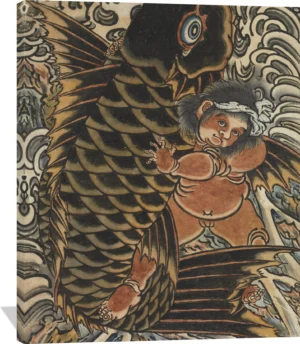
32,00 $Select options This product has multiple variants. The options may be chosen on the product pageKintaro with Carp
Canvas from
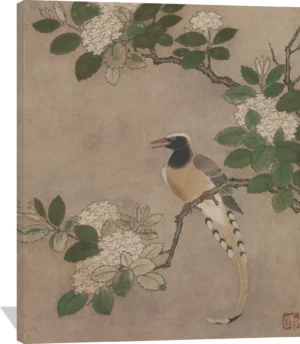
32,00 $Select options This product has multiple variants. The options may be chosen on the product pageMagpie on Viburnum Branch
GengaCanvas from
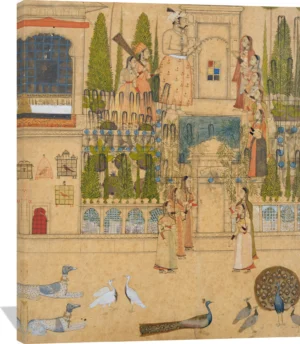
32,00 $Select options This product has multiple variants. The options may be chosen on the product pageMaharana Amar Singh II with Ladies of the Zenana outside the Picture Hall at Rajnagar
Stipple MasterCanvas from
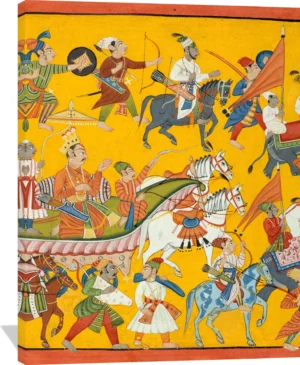
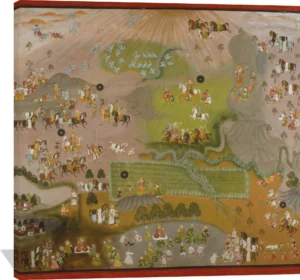
32,00 $Select options This product has multiple variants. The options may be chosen on the product pageKing Dasaratha and His Retinue Proceed to Rama’s Wedding: Folio from the Shangri Ramayana Series (Style II)
Canvas from
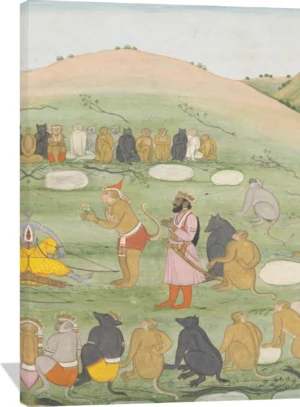
33,00 $Select options This product has multiple variants. The options may be chosen on the product pageHanuman Revives Rama and Lakshmana with Medicinal Herbs: Illustrated folio from a dispersed Ramayana series
NainsukhCanvas from
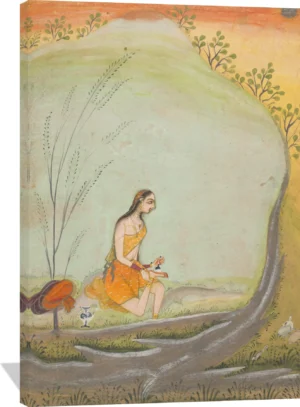
50,00 $Select options This product has multiple variants. The options may be chosen on the product pageA Lady Applying Henna to Her Foot
Ustad Mohamed, son of MuradCanvas from
33,00 $Select options This product has multiple variants. The options may be chosen on the product pageMaharana Jagat Singh Hawks for Cranes
Shiva and DayalCanvas from
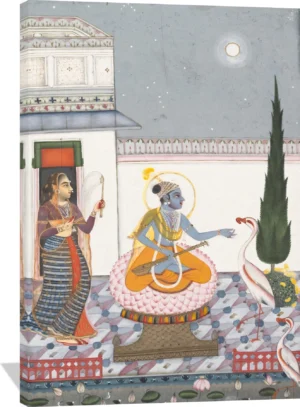
44,00 $Select options This product has multiple variants. The options may be chosen on the product pageChandravimba Ragaputra: Page from a Dispersed “Boston” Ragamala Series (Garland of Musical Modes)
Canvas from
50,00 $Select options This product has multiple variants. The options may be chosen on the product page
Explore Mammals
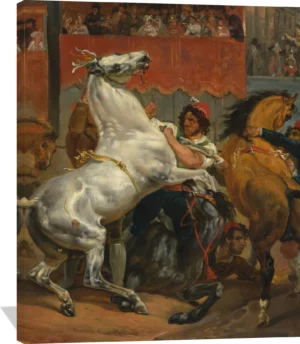
The Start of the Race of the Riderless Horses
Horace VernetCanvas from
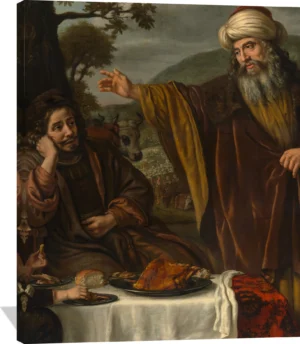
32,00 $Select options This product has multiple variants. The options may be chosen on the product pageAbraham’s Parting from the Family of Lot
Jan VictorsCanvas from
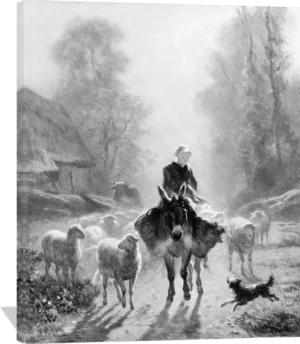
32,00 $Select options This product has multiple variants. The options may be chosen on the product pageGoing to Market
Constant TroyonCanvas from
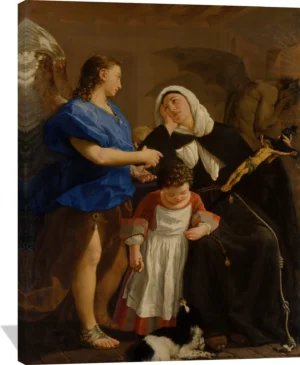
32,00 $Select options This product has multiple variants. The options may be chosen on the product pageSaint Margaret of Cortona
Gaspare TraversiCanvas from
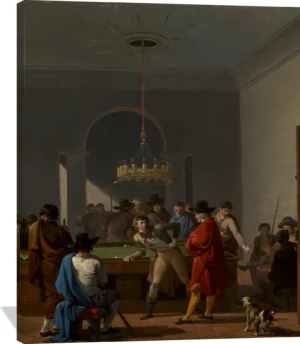
33,00 $Select options This product has multiple variants. The options may be chosen on the product pageThe Billiard Room
Nicolas Antoine TaunayCanvas from
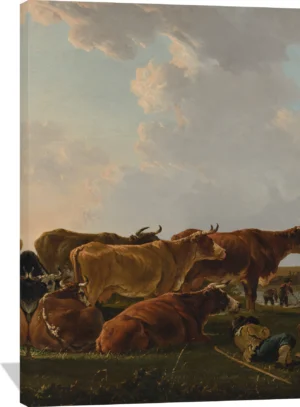
32,00 $Select options This product has multiple variants. The options may be chosen on the product pageLandscape with Cattle
Jacob van StrijCanvas from
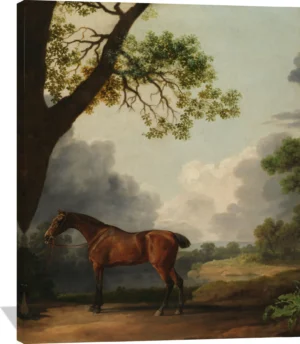
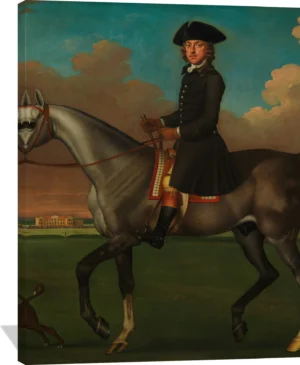
32,00 $Select options This product has multiple variants. The options may be chosen on the product pageThe Third Duke of Dorset’s Hunter with a Groom and a Dog
George StubbsCanvas from
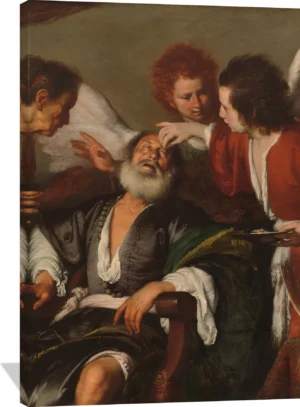
32,00 $Select options This product has multiple variants. The options may be chosen on the product pageTobias Curing His Father’s Blindness
Bernardo StrozziCanvas from
50,00 $Select options This product has multiple variants. The options may be chosen on the product pagePortrait of a Horseman
James SeymourCanvas from
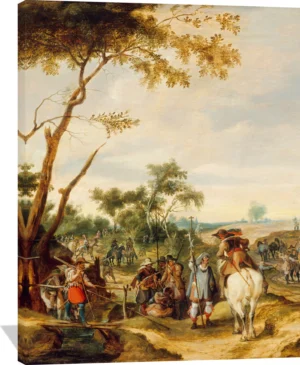
33,00 $Select options This product has multiple variants. The options may be chosen on the product pageSoldiers Bivouacking
Pieter SnayersCanvas from
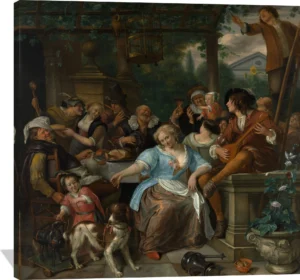
33,00 $Select options This product has multiple variants. The options may be chosen on the product pageMerry Company on a Terrace
Jan SteenCanvas from
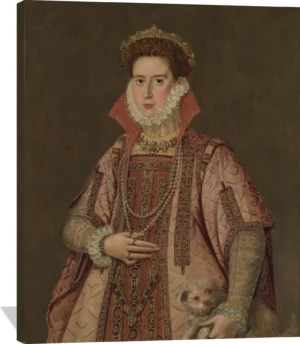
44,00 $Select options This product has multiple variants. The options may be chosen on the product pagePortrait of a Woman
Rolán de MoysCanvas from
32,00 $Select options This product has multiple variants. The options may be chosen on the product pageRustic Interior
David Ryckaert IIICanvas from
32,00 $Select options This product has multiple variants. The options may be chosen on the product pageSir James Dashwood (1715–1779)
Enoch Seeman the YoungerCanvas from
50,00 $Select options This product has multiple variants. The options may be chosen on the product pageLost: Souvenir of Auvergne
August Friedrich Albrecht SchenckCanvas from
50,00 $Select options This product has multiple variants. The options may be chosen on the product pageMarket by the Seashore
Salomon van RuysdaelCanvas from
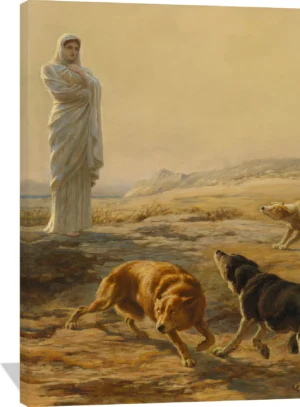
50,00 $Select options This product has multiple variants. The options may be chosen on the product pagePallas Athena and the Herdsman’s Dogs
Briton RiviereCanvas from
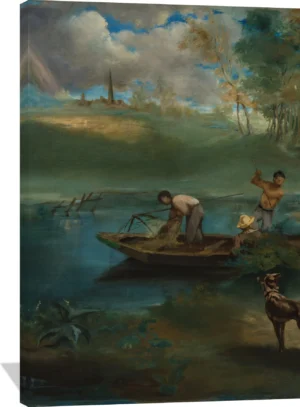
50,00 $Select options This product has multiple variants. The options may be chosen on the product pageFishing
Edouard ManetCanvas from
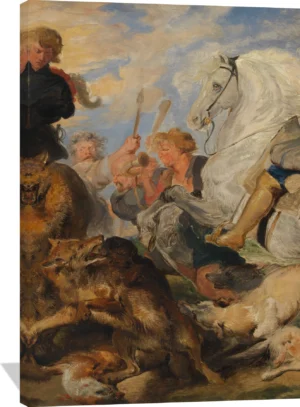
50,00 $Select options This product has multiple variants. The options may be chosen on the product pageCopy after Rubens’s “Wolf and Fox Hunt”
Sir Edwin Henry LandseerCanvas from
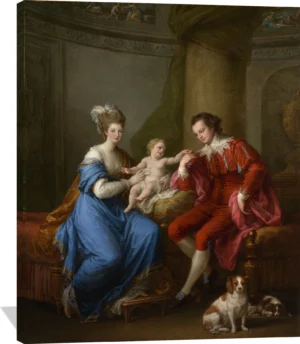
50,00 $Select options This product has multiple variants. The options may be chosen on the product pageEdward Smith Stanley (1752–1834), Twelfth Earl of Derby, Elizabeth, Countess of Derby (Lady Elizabeth Hamilton, 1753–1797), and Their Son (Edward Smith Stanley, 1775–1851)
Angelica KauffmannCanvas from
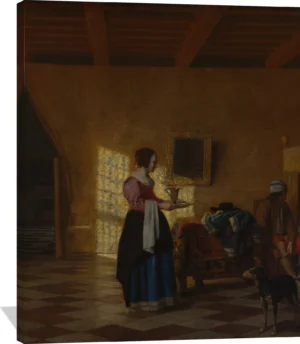
32,00 $Select options This product has multiple variants. The options may be chosen on the product pageWoman with a Water Pitcher, and a Man by a Bed
Pieter de HoochCanvas from
32,00 $Select options This product has multiple variants. The options may be chosen on the product page