Artistic Style
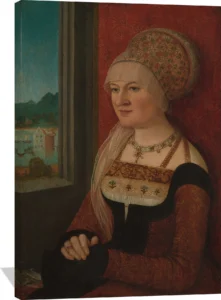
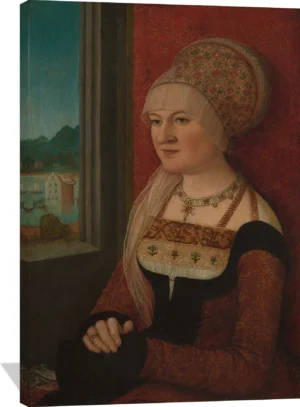
Strigel’s style is marked by crisp contours, harmonious compositions, and a poised balance between Gothic elegance and emerging Renaissance naturalism. His portraits are especially notable for their quiet psychological depth, capturing sitters with a combination of restraint and realism that distinguished his practice from his contemporaries. Delicate modeling, luminous color, and meticulous attention to costume and surface textures further define his artistic signature.
Subjects and Contributions
While he painted religious works such as altarpieces and devotional panels, Strigel gained particular acclaim for his portraits of nobility and prominent civic figures. His depictions of members of the Habsburg court contributed to the visual culture of early sixteenth‑century Germany and solidified his reputation as a master portraitist. Works like The Emperor Maximilian I and His Family demonstrate his ability to convey both individual likeness and dynastic presence.
Cultural Significance
As one of Memmingen’s leading painters, Strigel played a central role in shaping the artistic identity of southern Germany during a period of major cultural change. His paintings reflect the shift toward increased naturalism in European art while retaining the spiritual clarity characteristic of late medieval imagery. Today, he is recognized for his refined portraiture and his contributions to the evolution of German Renaissance painting.