A Cavalryman
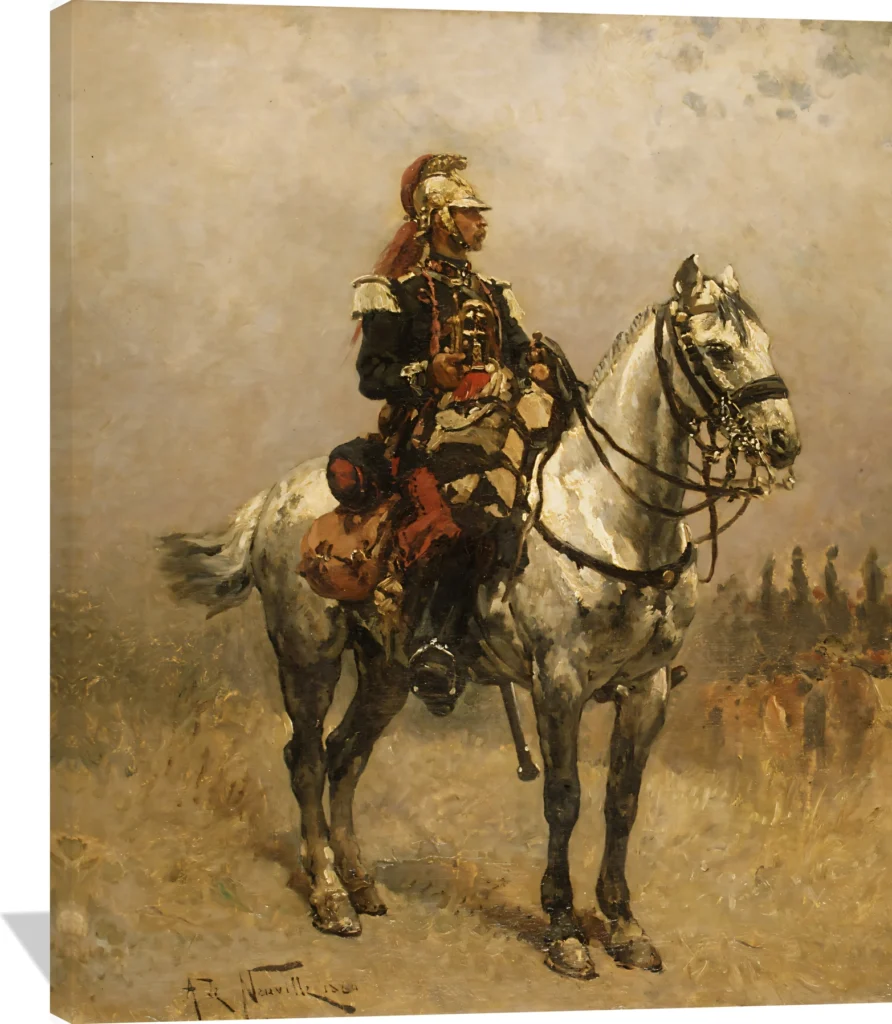
The Alphonse-Marie-Adolphe de Neuville A Cavalryman canvas captures the quiet valor of a mounted soldier poised against a muted, windswept landscape. Rendered in earthy browns, soft grays, and warm golds, this evocative wall art reflects de Neuville’s mastery of light and texture, bringing 19th-century military dignity to life with painterly precision.
This timeless canvas print adds a sense of strength and refinement to any space—ideal for a study, library, or classic living room. Let the noble stance and atmospheric tones of A Cavalryman infuse your walls with history and quiet heroism.
Alphonse-Marie-Adolphe de Neuville (1835–1885) was a French painter acclaimed for his gripping depictions of nineteenth-century military life. Born in Saint-Omer and active primarily in Paris, he became one of the era’s most respected illustrators of conflict, noted for his ability to merge historical accuracy with vivid human emotion.
Artistic Style
De Neuville specialized in dramatic realism, rendering battlefield scenes with meticulous attention to uniform details, weaponry, and terrain. His palette often favored somber, atmospheric tones that heightened the tension of the moments he portrayed. Through carefully structured compositions and expressive lighting, he communicated both the heroism and hardship of soldiers, creating works that felt immediate and deeply resonant.
Typical Subjects
He is best known for portraying episodes from the Franco-Prussian War, colonial campaigns, and other significant French military events. His scenes frequently capture decisive moments: soldiers defending fortified positions, small units facing overwhelming odds, or quiet intervals of anticipation before combat. Each work underscores the psychological and emotional realities of warfare rather than mere spectacle.
Notable Contributions
As a leading military painter of his generation, de Neuville provided visual narratives that shaped public understanding of France’s modern conflicts. His illustrations and canvases became widely circulated, valued for their authenticity and clarity. Works such as Le Dernier Cartouche earned him lasting recognition, reinforcing his reputation for bringing history to life with cinematic immediacy.
Cultural Significance
De Neuville’s art served as both documentation and commemoration, preserving the experiences of soldiers at a time when national identity and military memory were intensely felt in France. His ability to convey the gravity and dignity of combat made him a central figure in nineteenth-century history painting. Today, his work remains admired for its emotional depth, historical precision, and its role in shaping the visual legacy of modern warfare.
Trust & policies
- 🚚 Free worldwide shipping
- 🔁 30-day returns (change of mind)
- 🛡️ If damaged/defective/misprinted: free replacement or full refund
- 🌍 Printed in US/CA/EU/UK/AU (based on delivery location)
- 💎 Made to order using acid-free, fade-resistant canvas
- 💎 Solid wood stretcher bars • Pine floating frames
- 🪝 Ready to hang

Mountain Scene
Albert BierstadtCanvas from
146,00 leiSelect options This product has multiple variants. The options may be chosen on the product pageIn the Laboratory
Henry AlexanderCanvas from
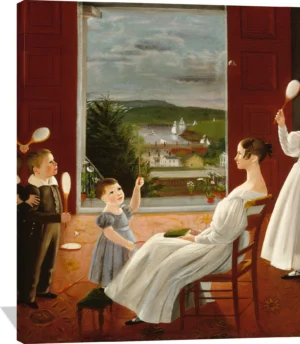
142,00 leiSelect options This product has multiple variants. The options may be chosen on the product pageThe Children of Nathan Starr
Ambrose AndrewsCanvas from
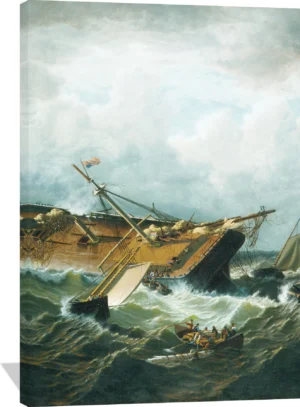
142,00 leiSelect options This product has multiple variants. The options may be chosen on the product pageShipwreck off Nantucket (Wreck off Nantucket after a Storm)
William BradfordCanvas from
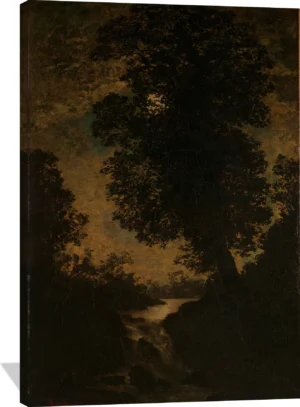
222,00 leiSelect options This product has multiple variants. The options may be chosen on the product pageA Waterfall, Moonlight
Ralph Albert BlakelockCanvas from
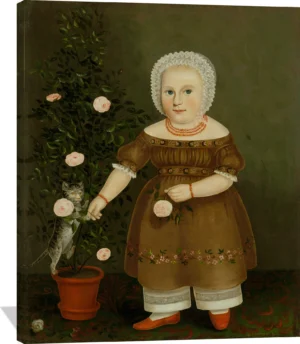
222,00 leiSelect options This product has multiple variants. The options may be chosen on the product pageEmma Homan
John BradleyCanvas from
142,00 leiSelect options This product has multiple variants. The options may be chosen on the product pageRepose
John White AlexanderCanvas from
142,00 leiSelect options This product has multiple variants. The options may be chosen on the product pageLake of Orta
J. Carroll BeckwithCanvas from
142,00 leiSelect options This product has multiple variants. The options may be chosen on the product pageSeventh Regiment on Review, Washington Square, New York
Otto BoetticherCanvas from
222,00 leiSelect options This product has multiple variants. The options may be chosen on the product pageSea Cove
Albert BierstadtCanvas from
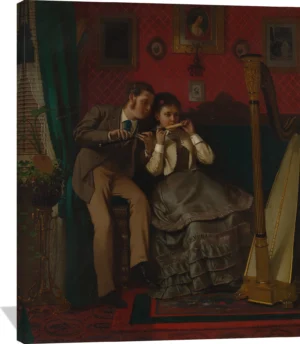
146,00 leiSelect options This product has multiple variants. The options may be chosen on the product pageThe Music Lesson
John George BrownCanvas from
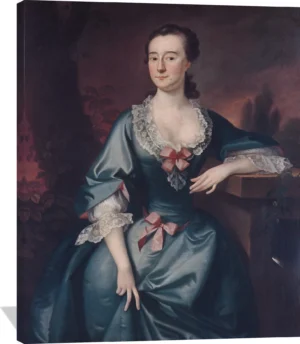
142,00 leiSelect options This product has multiple variants. The options may be chosen on the product pageMrs. David Chesebrough
Joseph BlackburnCanvas from
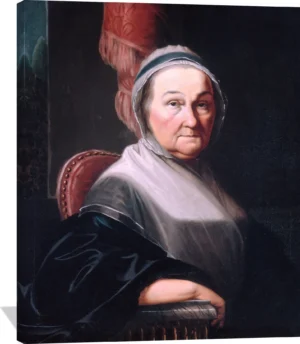
142,00 leiSelect options This product has multiple variants. The options may be chosen on the product pageMrs. Samuel Cutts
Joseph BlackburnCanvas from
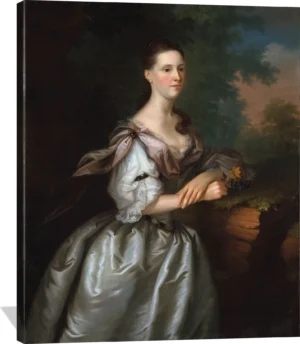
142,00 leiSelect options This product has multiple variants. The options may be chosen on the product pageMrs. Benjamin Simons
Henry BenbridgeCanvas from
142,00 leiSelect options This product has multiple variants. The options may be chosen on the product pageAfter a Long Cruise
John CarlinCanvas from
222,00 leiSelect options This product has multiple variants. The options may be chosen on the product pageMerced River, Yosemite Valley
Albert BierstadtCanvas from
146,00 leiSelect options This product has multiple variants. The options may be chosen on the product pageView from the Artist’s Window, Grove Street
Robert Frederick BlumCanvas from
142,00 leiSelect options This product has multiple variants. The options may be chosen on the product pageThe Way They Live
Thomas AnshutzCanvas from
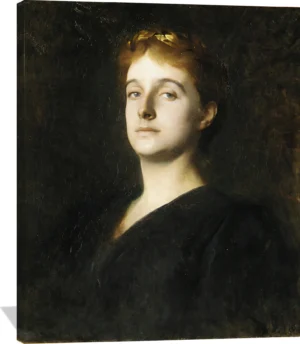
146,00 leiSelect options This product has multiple variants. The options may be chosen on the product pageEleanor Hardy Bunker
Dennis Miller BunkerCanvas from
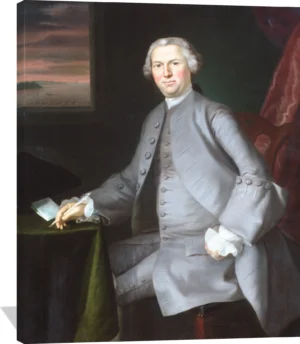
142,00 leiSelect options This product has multiple variants. The options may be chosen on the product pageSamuel Cutts
Joseph BlackburnCanvas from
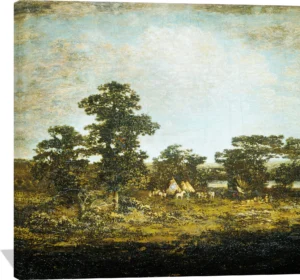
142,00 leiSelect options This product has multiple variants. The options may be chosen on the product pageAn Indian Encampment
Ralph Albert BlakelockCanvas from
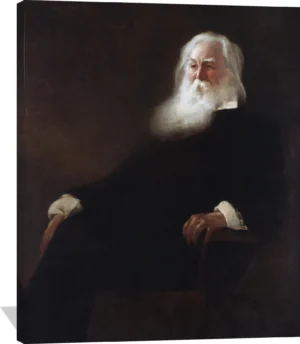
195,00 leiSelect options This product has multiple variants. The options may be chosen on the product pageWalt Whitman
John White AlexanderCanvas from
142,00 leiSelect options This product has multiple variants. The options may be chosen on the product page
Explore Portraits
Jeanne Hébuterne
Amedeo ModiglianiCanvas from
142,00 leiSelect options This product has multiple variants. The options may be chosen on the product pageGirl in a Sailor’s Blouse
Amedeo ModiglianiCanvas from
146,00 leiSelect options This product has multiple variants. The options may be chosen on the product pageSelf-Portrait
Umberto BoccioniCanvas from
142,00 leiSelect options This product has multiple variants. The options may be chosen on the product pageThe Fitting Room
Kenneth Hayes MillerCanvas from
142,00 leiSelect options This product has multiple variants. The options may be chosen on the product pageThe Jabach Family
Charles Le BrunCanvas from
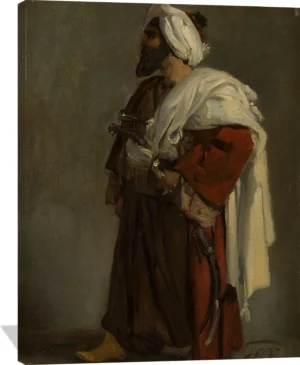
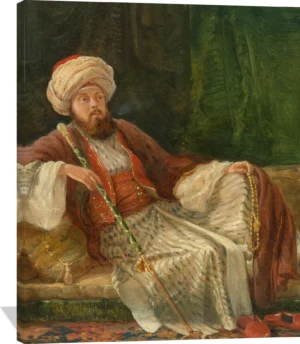
142,00 leiSelect options This product has multiple variants. The options may be chosen on the product pageArab Warrior
Horace VernetCanvas from
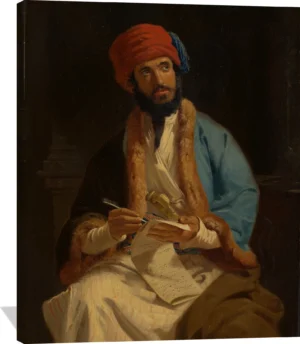
146,00 leiSelect options This product has multiple variants. The options may be chosen on the product pageThe Arab Sage
German PainterCanvas from
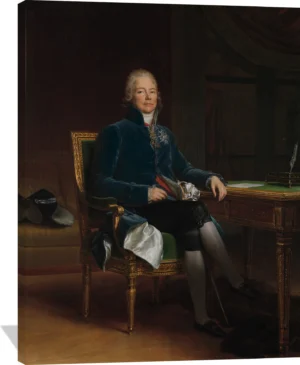
142,00 leiSelect options This product has multiple variants. The options may be chosen on the product pageCharles Maurice de Talleyrand Périgord (1754–1838), Prince de Bénévent
baron François GérardCanvas from
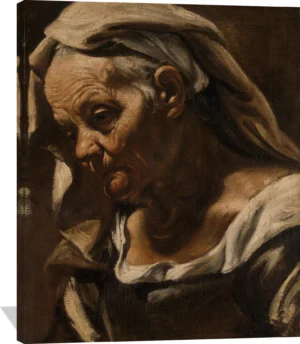
146,00 leiSelect options This product has multiple variants. The options may be chosen on the product pageHead of an Old Woman
Orazio BorgianniCanvas from
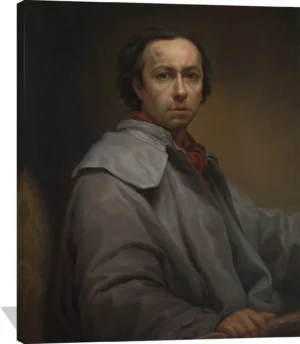
142,00 leiSelect options This product has multiple variants. The options may be chosen on the product pageSelf-Portrait
Anton Raphael MengsCanvas from
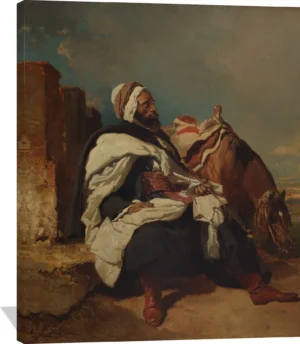
142,00 leiSelect options This product has multiple variants. The options may be chosen on the product pageSeated Arab Man with Horse
Alfred DedreuxCanvas from
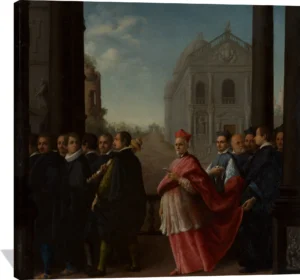
142,00 leiSelect options This product has multiple variants. The options may be chosen on the product pageA Cardinal’s Procession
Ottavio Leoni (Il Padovano)Canvas from
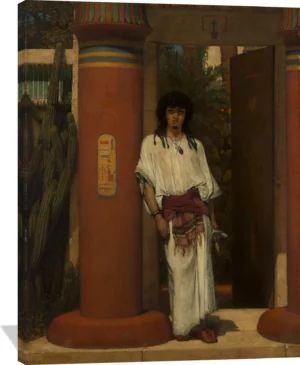
195,00 leiSelect options This product has multiple variants. The options may be chosen on the product pageAn Egyptian in a Doorway
Sir Lawrence Alma-TademaCanvas from
146,00 leiSelect options This product has multiple variants. The options may be chosen on the product pageWestern Gentleman in Oriental Costume
British PainterCanvas from
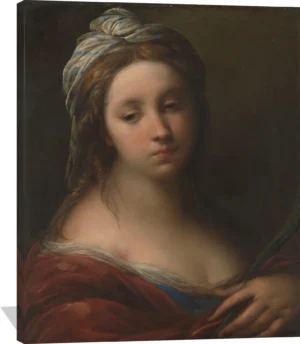
142,00 leiSelect options This product has multiple variants. The options may be chosen on the product pageA Female Martyr Saint
Carlo Francesco NuvoloneCanvas from
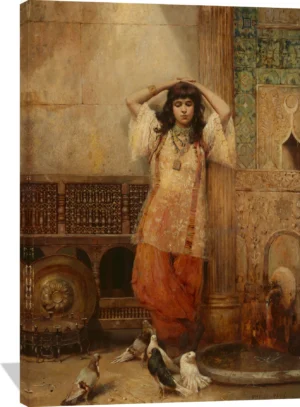
142,00 leiSelect options This product has multiple variants. The options may be chosen on the product pageGirl in a Courtyard, Algiers (formerly Courtyard in Tangier)
Philippe PavyCanvas from
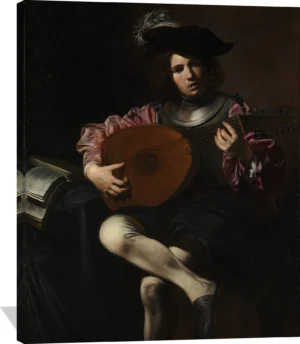
222,00 leiSelect options This product has multiple variants. The options may be chosen on the product pageLute Player
Valentin de BoulogneCanvas from
142,00 leiSelect options This product has multiple variants. The options may be chosen on the product pageThe Opium Smokers
Georges ClairinCanvas from
195,00 leiSelect options This product has multiple variants. The options may be chosen on the product pageHead of a Bishop
Gaetano GandolfiCanvas from
142,00 leiSelect options This product has multiple variants. The options may be chosen on the product pageThe Two Central Figures in “Derby Day”
William Powell FrithCanvas from
146,00 leiSelect options This product has multiple variants. The options may be chosen on the product pageThe Saithwaite Family
Francis WheatleyCanvas from
142,00 leiSelect options This product has multiple variants. The options may be chosen on the product page

Explore Figurative
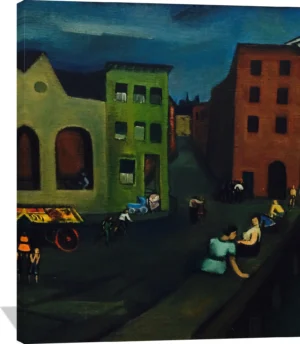
Docks on Sunday
Joseph De MartiniCanvas from
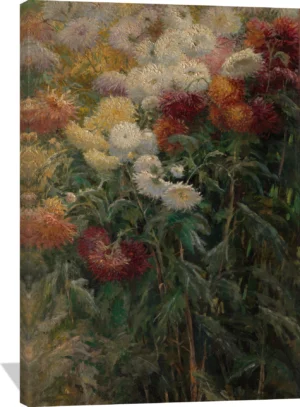
142,00 leiSelect options This product has multiple variants. The options may be chosen on the product pageChrysanthemums in the Garden at Petit-Gennevilliers
Gustave CaillebotteCanvas from
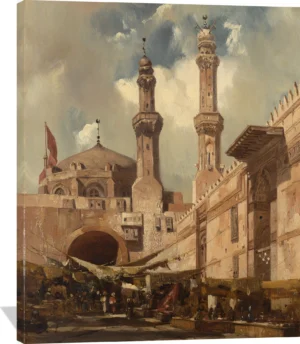
222,00 leiSelect options This product has multiple variants. The options may be chosen on the product pageA Cairo Bazaar
Adrien DauzatsCanvas from
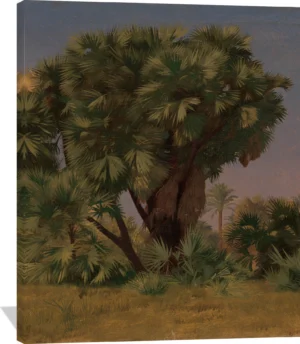
142,00 leiSelect options This product has multiple variants. The options may be chosen on the product pageStudy of Palm Trees
Jean-Léon GérômeCanvas from
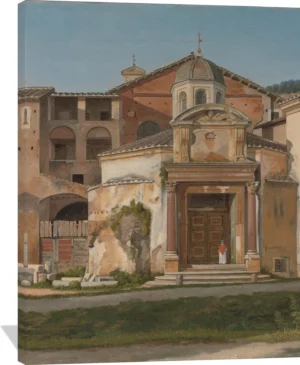
142,00 leiSelect options This product has multiple variants. The options may be chosen on the product pageA Section of the Via Sacra, Rome (The Church of Saints Cosmas and Damian)
Christoffer Wilhelm EckersbergCanvas from
146,00 leiSelect options This product has multiple variants. The options may be chosen on the product pageLandscape with Figures
Kenneth Hayes MillerCanvas from
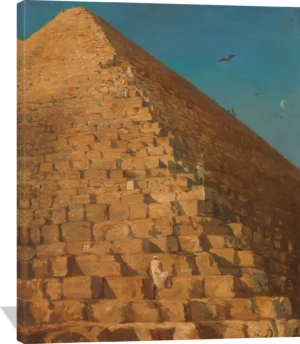
142,00 leiSelect options This product has multiple variants. The options may be chosen on the product pageThe Great Pyramid, Giza
Adrien DauzatsCanvas from
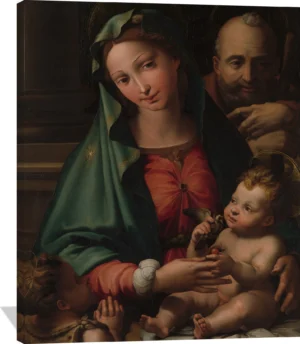
142,00 leiSelect options This product has multiple variants. The options may be chosen on the product pageThe Holy Family with the Infant Saint John the Baptist
Perino del Vaga (Pietro Buonaccorsi)Canvas from
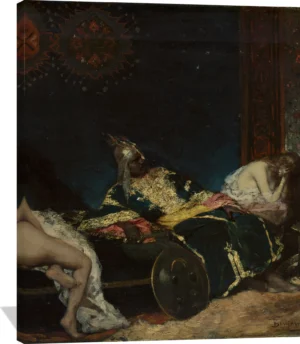
142,00 leiSelect options This product has multiple variants. The options may be chosen on the product pageScene in a Harem (Un Envoi de Serbie)
Benjamin-Constant (Jean-Joseph-Benjamin Constant)Canvas from
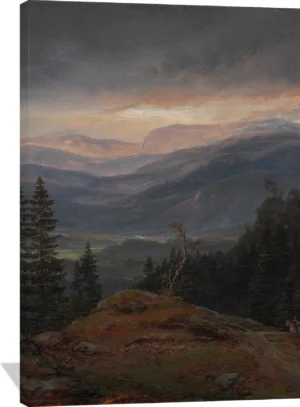
142,00 leiSelect options This product has multiple variants. The options may be chosen on the product pageView over Hallingdal
Johan Christian DahlCanvas from
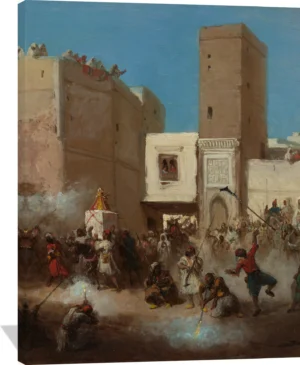
222,00 leiSelect options This product has multiple variants. The options may be chosen on the product pageWedding Procession
Victor EeckhoutCanvas from
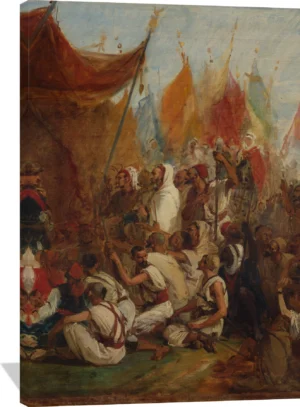
146,00 leiSelect options This product has multiple variants. The options may be chosen on the product pageSketch for “Reception of Emperor Napoleon III and Empress Eugénie by the Kabyle Leaders at Algiers on September 18, 1860”
Isidore PilsCanvas from
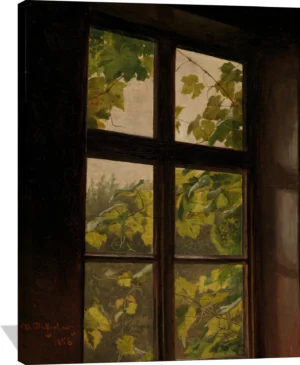
222,00 leiSelect options This product has multiple variants. The options may be chosen on the product pageWindow
Anton DieffenbachCanvas from
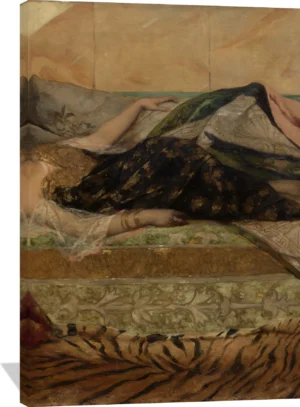
146,00 leiSelect options This product has multiple variants. The options may be chosen on the product pageOdalisque
Benjamin-Constant (Jean-Joseph-Benjamin Constant)Canvas from
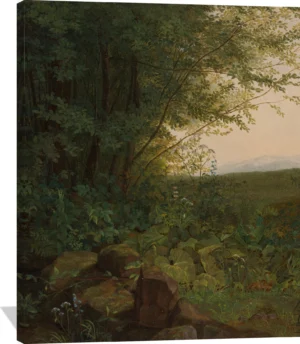
222,00 leiSelect options This product has multiple variants. The options may be chosen on the product pageAt the Edge of the Forest
August HeinrichCanvas from
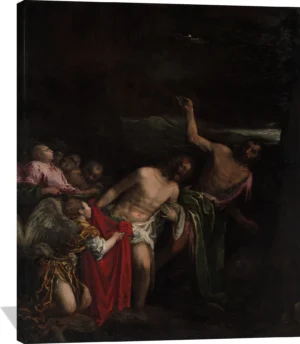
142,00 leiSelect options This product has multiple variants. The options may be chosen on the product pageThe Baptism of Christ
Jacopo Bassano (Jacopo da Ponte)Canvas from
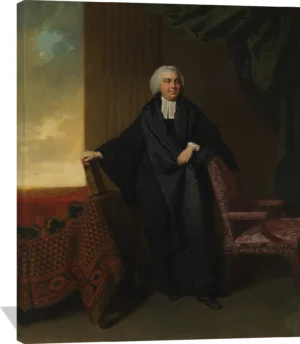
142,00 leiSelect options This product has multiple variants. The options may be chosen on the product pageThe Reverend Philip Cocks (1735–1797)
Johan Joseph ZoffanyCanvas from
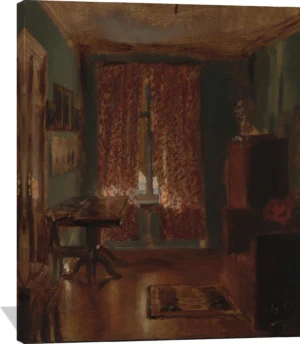
142,00 leiSelect options This product has multiple variants. The options may be chosen on the product pageThe Artist’s Sitting Room in Ritterstrasse
Adolph MenzelCanvas from
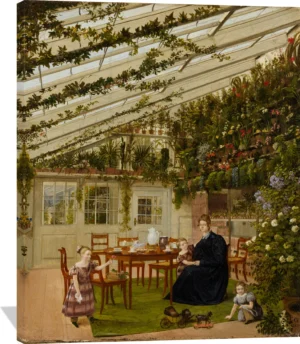
142,00 leiSelect options This product has multiple variants. The options may be chosen on the product pageThe Family of Mr. Westphal in the Conservatory
Eduard GaertnerCanvas from
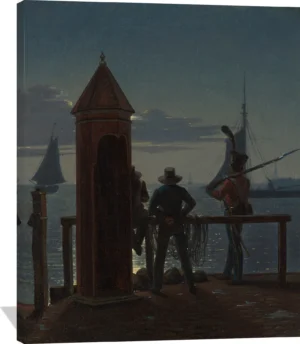
142,00 leiSelect options This product has multiple variants. The options may be chosen on the product pageView from the Citadel Ramparts in Copenhagen by Moonlight
Martinus RørbyeCanvas from
142,00 leiSelect options This product has multiple variants. The options may be chosen on the product pageThe Cemetery at Pronoia near Nauplia
Carl RottmannCanvas from
142,00 leiSelect options This product has multiple variants. The options may be chosen on the product page
Explore Mammals
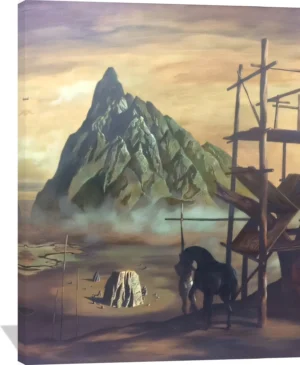
The Black Horse
John AthertonCanvas from
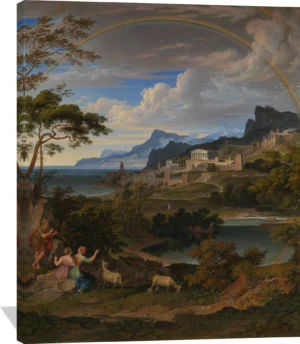
146,00 leiSelect options This product has multiple variants. The options may be chosen on the product pageHeroic Landscape with Rainbow
Joseph Anton KochCanvas from
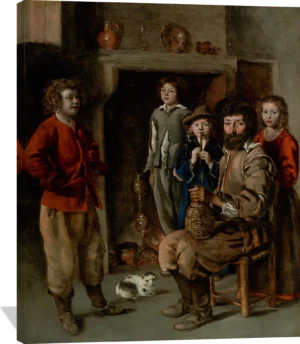
142,00 leiSelect options This product has multiple variants. The options may be chosen on the product pageA Peasant Family
Antoine Le NainCanvas from
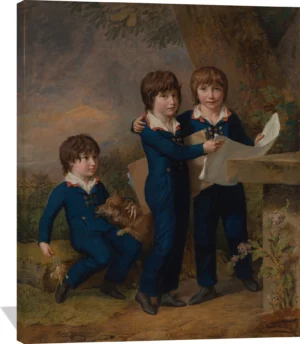
142,00 leiSelect options This product has multiple variants. The options may be chosen on the product pageThe Children of Martin Anton Heckscher: Johann Gustav Wilhelm Moritz (1797–1865), Carl Martin Adolph (1796–1850), and Leopold (born 1792)
Johann Heinrich Wilhelm TischbeinCanvas from
142,00 leiSelect options This product has multiple variants. The options may be chosen on the product pageMadonna and Child with the Infant Saint John the Baptist
Santi di TitoCanvas from
142,00 leiSelect options This product has multiple variants. The options may be chosen on the product pageLandscape with Travelers on a Woodland Path
Jan Brueghel the ElderCanvas from
222,00 leiSelect options This product has multiple variants. The options may be chosen on the product pageA Man and a Woman on Horseback
Philips WouwermanCanvas from
142,00 leiSelect options This product has multiple variants. The options may be chosen on the product pageLandscape with Peasants at a Fountain
Francesco ZuccarelliCanvas from
222,00 leiSelect options This product has multiple variants. The options may be chosen on the product pageMrs. Walter Rathbone Bacon (Virginia Purdy Barker, 1862–1919)
Anders ZornCanvas from
222,00 leiSelect options This product has multiple variants. The options may be chosen on the product pageThe Highland Family
Sir David WilkieCanvas from
222,00 leiSelect options This product has multiple variants. The options may be chosen on the product pageMars and Venus United by Love
Paolo Veronese (Paolo Caliari)Canvas from
142,00 leiSelect options This product has multiple variants. The options may be chosen on the product pageHalt of the Hunt
Carle (Charles André) VanlooCanvas from
142,00 leiSelect options This product has multiple variants. The options may be chosen on the product pageThe Start of the Race of the Riderless Horses
Horace VernetCanvas from
142,00 leiSelect options This product has multiple variants. The options may be chosen on the product pageAbraham’s Parting from the Family of Lot
Jan VictorsCanvas from
142,00 leiSelect options This product has multiple variants. The options may be chosen on the product pageGoing to Market
Constant TroyonCanvas from
142,00 leiSelect options This product has multiple variants. The options may be chosen on the product pageSaint Margaret of Cortona
Gaspare TraversiCanvas from
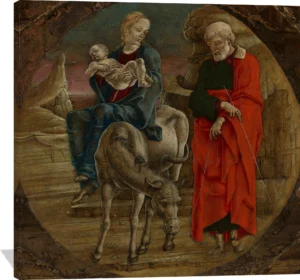
146,00 leiSelect options This product has multiple variants. The options may be chosen on the product pageThe Flight into Egypt
Cosmè Tura (Cosimo di Domenico di Bonaventura)Canvas from
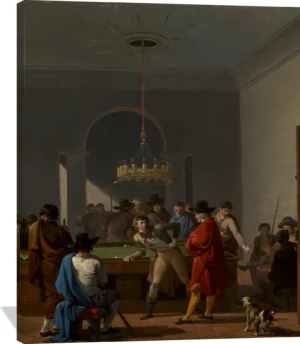
195,00 leiSelect options This product has multiple variants. The options may be chosen on the product pageThe Billiard Room
Nicolas Antoine TaunayCanvas from
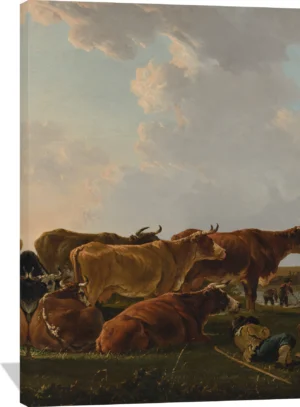
142,00 leiSelect options This product has multiple variants. The options may be chosen on the product pageLandscape with Cattle
Jacob van StrijCanvas from
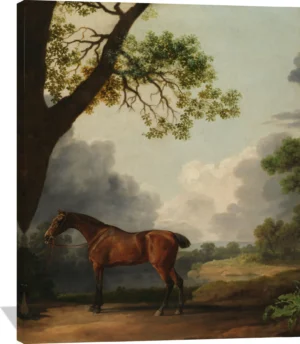
142,00 leiSelect options This product has multiple variants. The options may be chosen on the product pageThe Third Duke of Dorset’s Hunter with a Groom and a Dog
George StubbsCanvas from
142,00 leiSelect options This product has multiple variants. The options may be chosen on the product pageTobias Curing His Father’s Blindness
Bernardo StrozziCanvas from
222,00 leiSelect options This product has multiple variants. The options may be chosen on the product page