Artistic Style
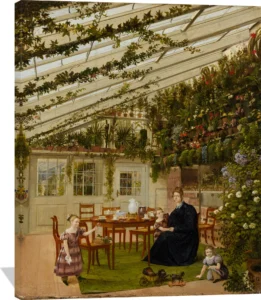
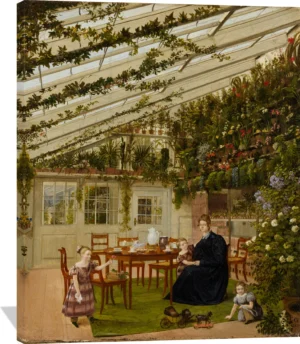
Gaertner’s style is defined by exacting draftsmanship, crisp linear perspective, and a luminous yet restrained palette. His approach bridges the traditions of topographical painting and the emerging realism of his era, resulting in compositions that feel both documentary and atmospheric.
Subjects and Themes
Best known for his panoramic cityscapes, Gaertner frequently depicted Berlin’s grand boulevards, royal squares, and evolving urban infrastructure. He portrayed these scenes with extraordinary fidelity, often including everyday figures that lend his works a sense of lived experience. Architectural landmarks, civic buildings, and residential streetscenes dominate his oeuvre, showcasing his mastery of structure and spatial harmony.
Notable Contributions
Gaertner played a central role in shaping how nineteenth‑century Berlin was visually recorded and remembered. His precise renderings of key locations, including views of Unter den Linden and the Prussian royal palaces, serve as valuable historical documents. His paintings are admired for their balance of artistic elegance and almost photographic accuracy, a quality that made him a leading figure among German vedute painters.
Cultural Significance
As one of the foremost chroniclers of Berlin during a period of political and architectural transformation, Gaertner’s work offers enduring insight into the city’s identity. His paintings remain a touchstone for understanding Berlin’s urban heritage and stand out for their blend of aesthetic refinement and remarkable observational precision.