The Pérussis Altarpiece
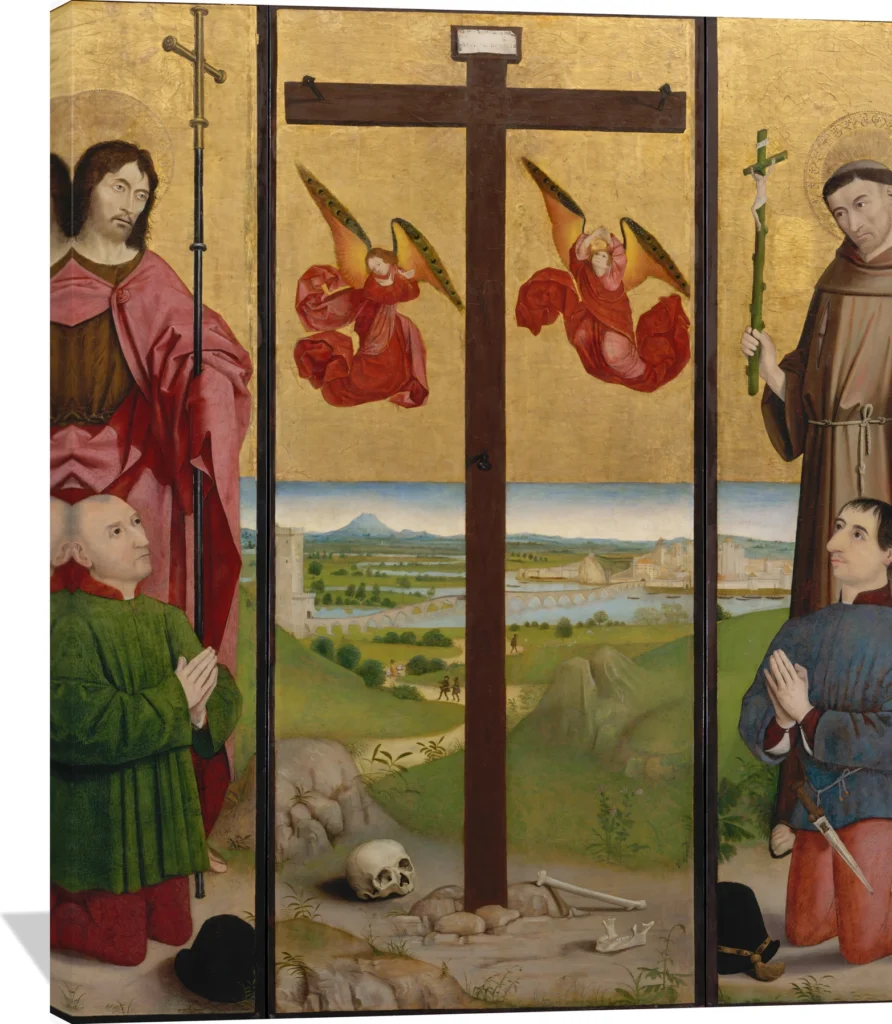
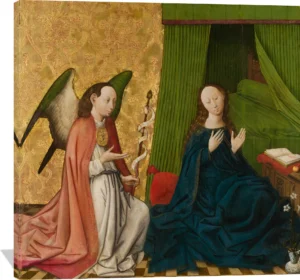
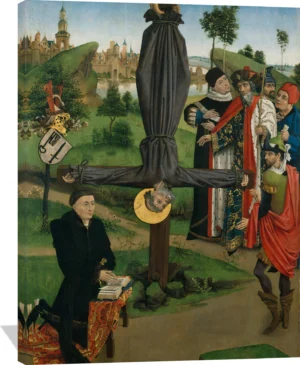
The Nicolas Froment The Pérussis Altarpiece canvas captures a moment of serene devotion rendered in luminous golds, deep reds, and tranquil greens. This masterful triptych composition balances sacred symbolism with delicate detail, creating a timeless atmosphere of reverence and harmony. The vertical orientation and radiant gilded background draw the eye upward, evoking a sense of spiritual elevation.
Perfect as statement wall art for a living room, study, or entryway, this museum-quality canvas print brings Renaissance grace into modern interiors. The The Pérussis Altarpiece canvas print invites contemplation and adds a touch of historical elegance to any refined space.
Nicolas Froment was a prominent French painter of the late 15th century, celebrated for his refined devotional imagery and masterful command of oil painting. Active primarily in Provence, he became one of the key figures ushering Northern Renaissance influences into southern France, blending meticulous detail with a heightened sense of spiritual drama.
Artistic Style and Techniques
Froment’s work is distinguished by its precise draftsmanship, luminous color, and close attention to naturalistic detail. His paintings reveal a deep engagement with the innovations of Flemish masters, particularly in the rendering of textures, light, and expressive faces. This combination of Northern technique with the elegance of French courtly aesthetics forms the foundation of what makes his style uniquely resonant.
Notable Subjects and Works
Best known for altarpieces and devotional scenes, Froment often created complex narrative compositions that guide the viewer through layers of symbolism and theological meaning. His celebrated triptych The Burning Bush, commissioned for King René of Anjou, stands as a defining example of his ability to integrate intricate iconography with serene, contemplative imagery. Portraits attributed to him also reflect a deep sensitivity to character, presenting sitters with a clarity and psychological presence rare for his era.
Cultural and Historical Significance
Froment played a significant role in shaping the visual culture of late medieval Provence, working during a period when artistic centers across Europe were rapidly evolving. His paintings bear witness to the cultural exchange between France and the Low Countries, and his influence helped introduce a more naturalistic, emotionally resonant approach to religious art in the region. Today, his work is valued for its blend of spiritual intensity and technical refinement, offering insight into the devotional practices and courtly tastes of 15th-century France.
Recognized as a master of early French Renaissance painting, Froment continues to be admired for his elegant precision and his ability to transform sacred narratives into vivid, immersive visual experiences.
Trust & policies
- 🚚 Free worldwide shipping
- 🔁 30-day returns (change of mind)
- 🛡️ If damaged/defective/misprinted: free replacement or full refund
- 🌍 Printed in US/CA/EU/UK/AU (based on delivery location)
- 💎 Made to order using acid-free, fade-resistant canvas
- 💎 Solid wood stretcher bars • Pine floating frames
- 🪝 Ready to hang

View at Amalfi, Bay of Salerno
George Loring BrownCanvas from
222,00 leiSelect options This product has multiple variants. The options may be chosen on the product pageBaked Pears in Duane Park
William P. ChappelCanvas from
222,00 leiSelect options This product has multiple variants. The options may be chosen on the product pageThe Pipe Dance
Ralph Albert BlakelockCanvas from
222,00 leiSelect options This product has multiple variants. The options may be chosen on the product pageStudy in Green and Black
John White AlexanderCanvas from
142,00 leiSelect options This product has multiple variants. The options may be chosen on the product pageView from the Artist’s Window, Grove Street
Robert Frederick BlumCanvas from
142,00 leiSelect options This product has multiple variants. The options may be chosen on the product pageFur Traders Descending the Missouri
George Caleb BinghamCanvas from
142,00 leiSelect options This product has multiple variants. The options may be chosen on the product pageLandscape
Ralph Albert BlakelockCanvas from
147,00 leiSelect options This product has multiple variants. The options may be chosen on the product pageJames Badger
Joseph BadgerCanvas from
142,00 leiSelect options This product has multiple variants. The options may be chosen on the product pageJohn F. Kensett
George Augustus Baker Jr.Canvas from
142,00 leiSelect options This product has multiple variants. The options may be chosen on the product pageMrs. David Chesebrough
Joseph BlackburnCanvas from
142,00 leiSelect options This product has multiple variants. The options may be chosen on the product pageLake of Orta
J. Carroll BeckwithCanvas from
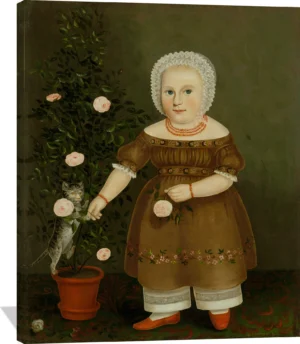
142,00 leiSelect options This product has multiple variants. The options may be chosen on the product pageEmma Homan
John BradleyCanvas from
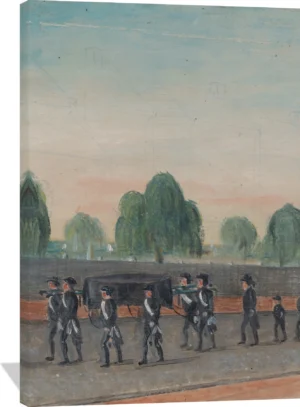
142,00 leiSelect options This product has multiple variants. The options may be chosen on the product pageAdult Funeral Procession
William P. ChappelCanvas from
222,00 leiSelect options This product has multiple variants. The options may be chosen on the product pageMerced River, Yosemite Valley
Albert BierstadtCanvas from
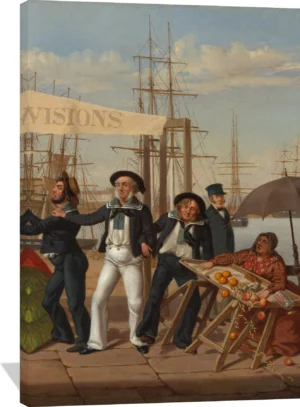
147,00 leiSelect options This product has multiple variants. The options may be chosen on the product pageAfter a Long Cruise
John CarlinCanvas from
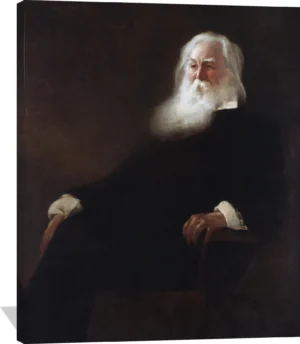
222,00 leiSelect options This product has multiple variants. The options may be chosen on the product pageWalt Whitman
John White AlexanderCanvas from
142,00 leiSelect options This product has multiple variants. The options may be chosen on the product pageSamuel Cutts
Joseph BlackburnCanvas from
142,00 leiSelect options This product has multiple variants. The options may be chosen on the product pageA Waterfall, Moonlight
Ralph Albert BlakelockCanvas from
222,00 leiSelect options This product has multiple variants. The options may be chosen on the product pageThe Music Lesson
John George BrownCanvas from
142,00 leiSelect options This product has multiple variants. The options may be chosen on the product pageAn Indian Encampment
Ralph Albert BlakelockCanvas from
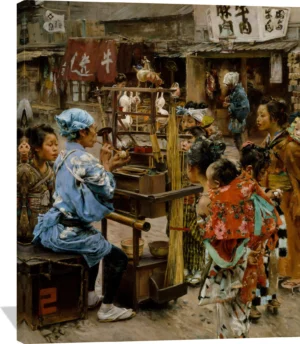
195,00 leiSelect options This product has multiple variants. The options may be chosen on the product pageThe Ameya
Robert Frederick BlumCanvas from
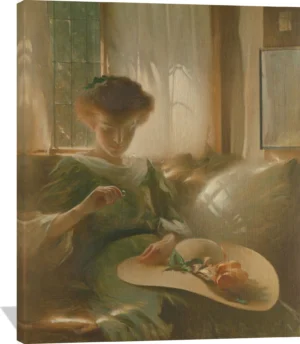
142,00 leiSelect options This product has multiple variants. The options may be chosen on the product pageThe Ring
John White AlexanderCanvas from
142,00 leiSelect options This product has multiple variants. The options may be chosen on the product page


Explore Historical Figures
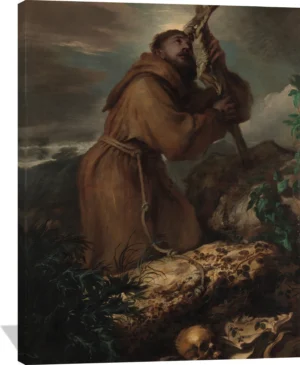
Saint Francis in Ecstasy
Giovanni Benedetto Castiglione (Il Grechetto)Canvas from
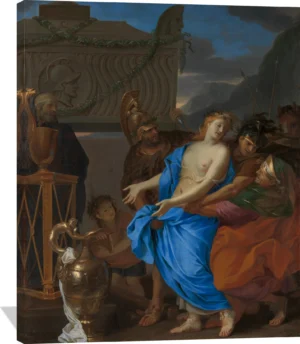
147,00 leiSelect options This product has multiple variants. The options may be chosen on the product pageThe Sacrifice of Polyxena
Charles Le BrunCanvas from
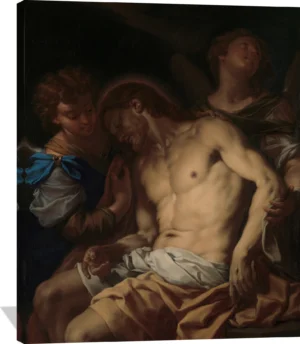
142,00 leiSelect options This product has multiple variants. The options may be chosen on the product pageDead Christ Supported by Angels
Francesco TrevisaniCanvas from
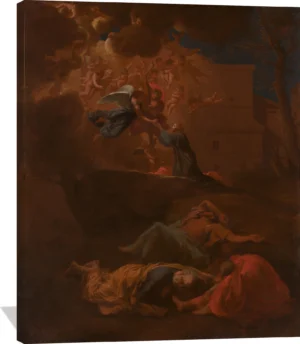
142,00 leiSelect options This product has multiple variants. The options may be chosen on the product pageThe Agony in the Garden
Nicolas PoussinCanvas from
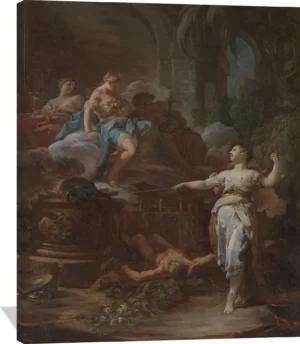
142,00 leiSelect options This product has multiple variants. The options may be chosen on the product pageMedea Rejuvenating Aeson
Corrado GiaquintoCanvas from
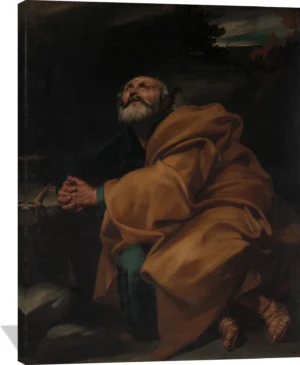
142,00 leiSelect options This product has multiple variants. The options may be chosen on the product pageThe Tears of Saint Peter
Jusepe de Ribera (called Lo Spagnoletto)Canvas from
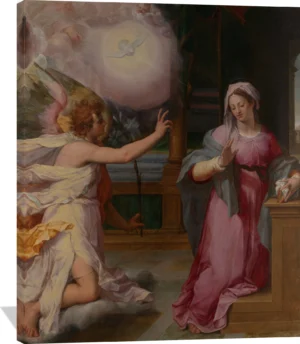
147,00 leiSelect options This product has multiple variants. The options may be chosen on the product pageThe Annunciation
Peter Candid (Pieter de Witte, Pietro Candido)Canvas from
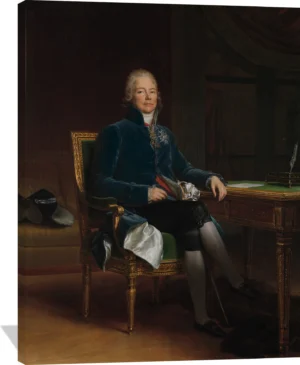
142,00 leiSelect options This product has multiple variants. The options may be chosen on the product pageCharles Maurice de Talleyrand Périgord (1754–1838), Prince de Bénévent
baron François GérardCanvas from
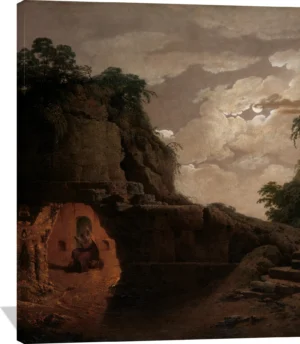
147,00 leiSelect options This product has multiple variants. The options may be chosen on the product pageVirgil’s Tomb by Moonlight, with Silius Italicus Declaiming
Joseph Wright (Wright of Derby)Canvas from
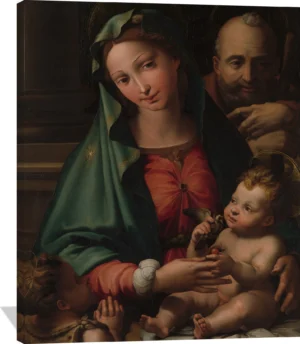
142,00 leiSelect options This product has multiple variants. The options may be chosen on the product pageThe Holy Family with the Infant Saint John the Baptist
Perino del Vaga (Pietro Buonaccorsi)Canvas from
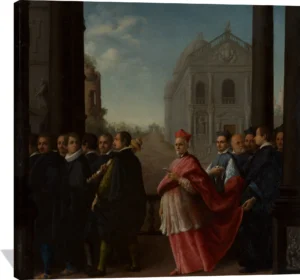
142,00 leiSelect options This product has multiple variants. The options may be chosen on the product pageA Cardinal’s Procession
Ottavio Leoni (Il Padovano)Canvas from
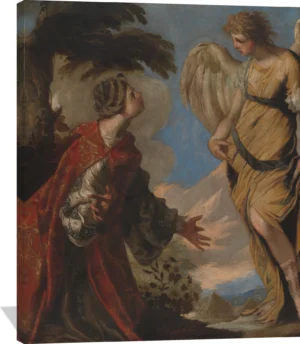
195,00 leiSelect options This product has multiple variants. The options may be chosen on the product pageHagar and the Angel
Francesco MaffeiCanvas from
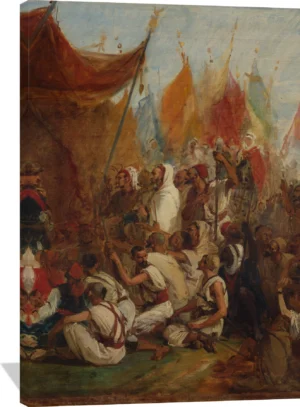
142,00 leiSelect options This product has multiple variants. The options may be chosen on the product pageSketch for “Reception of Emperor Napoleon III and Empress Eugénie by the Kabyle Leaders at Algiers on September 18, 1860”
Isidore PilsCanvas from
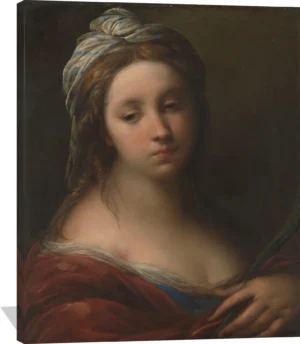
222,00 leiSelect options This product has multiple variants. The options may be chosen on the product pageA Female Martyr Saint
Carlo Francesco NuvoloneCanvas from
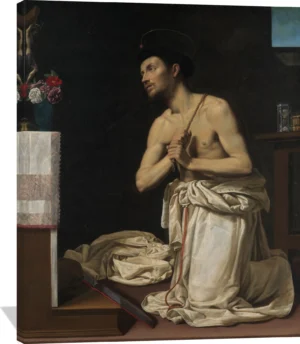
142,00 leiSelect options This product has multiple variants. The options may be chosen on the product pageSaint Dominic in Penitence
Filippo TarchianiCanvas from
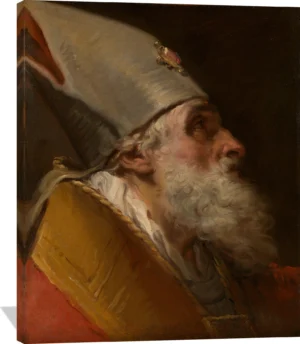
142,00 leiSelect options This product has multiple variants. The options may be chosen on the product pageHead of a Bishop
Gaetano GandolfiCanvas from
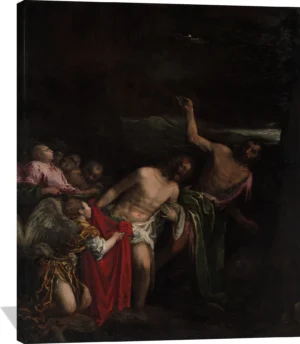
142,00 leiSelect options This product has multiple variants. The options may be chosen on the product pageThe Baptism of Christ
Jacopo Bassano (Jacopo da Ponte)Canvas from
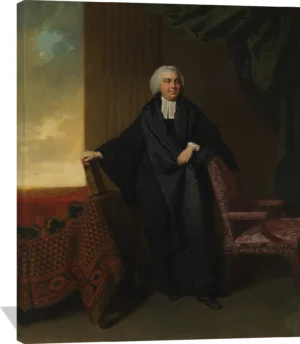
142,00 leiSelect options This product has multiple variants. The options may be chosen on the product pageThe Reverend Philip Cocks (1735–1797)
Johan Joseph ZoffanyCanvas from
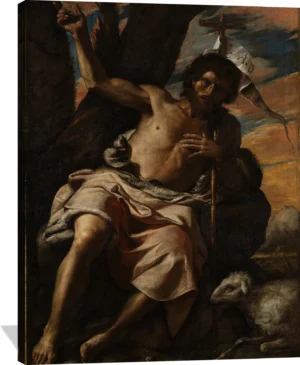
142,00 leiSelect options This product has multiple variants. The options may be chosen on the product pageSaint John the Baptist Preaching
Mattia Preti (Il Cavalier Calabrese)Canvas from
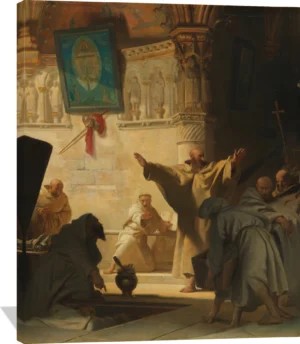
147,00 leiSelect options This product has multiple variants. The options may be chosen on the product pageDramatic Scene with Monks in a Crypt
Alexandre Evariste FragonardCanvas from
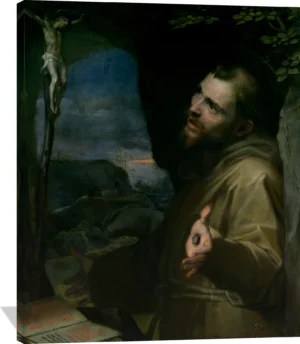
142,00 leiSelect options This product has multiple variants. The options may be chosen on the product pageSaint Francis
Federico BarocciCanvas from
142,00 leiSelect options This product has multiple variants. The options may be chosen on the product page
Explore Gothic
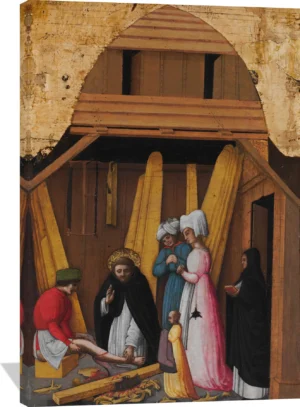
Saint Peter Martyr Healing the Leg of a Young Man
Antonio VivariniCanvas from
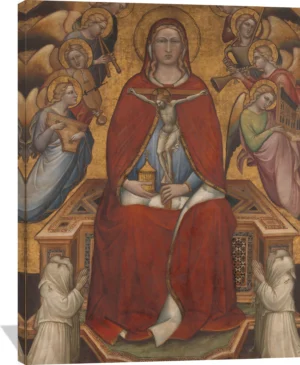
222,00 leiSelect options This product has multiple variants. The options may be chosen on the product pageSaint Mary Magdalen Holding a Crucifix; (reverse) The Flagellation
Spinello Aretino (Spinello di Luca Spinelli)Canvas from
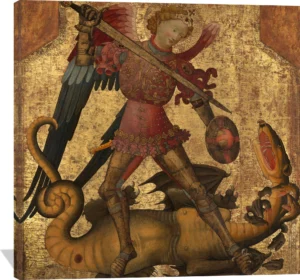
147,00 leiSelect options This product has multiple variants. The options may be chosen on the product pageSaint Michael and the Dragon
Spanish (Valencian) Painter(?)Canvas from
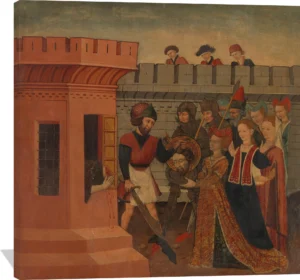
195,00 leiSelect options This product has multiple variants. The options may be chosen on the product pageThe Beheading of Saint John the Baptist
Spanish (Catalan) PainterCanvas from
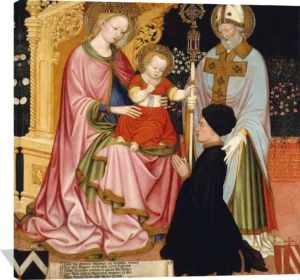
195,00 leiSelect options This product has multiple variants. The options may be chosen on the product pageMadonna and Child with the Donor, Pietro de’ Lardi, Presented by Saint Nicholas
Master G.Z. (possibly Michele dai Carri, Italian, Ferrara, active by 1405–died 1441 Ferrara)Canvas from
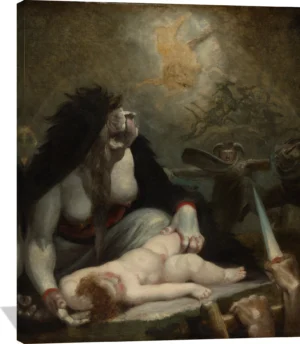
195,00 leiSelect options This product has multiple variants. The options may be chosen on the product pageThe Night-Hag Visiting Lapland Witches
Henry FuseliCanvas from
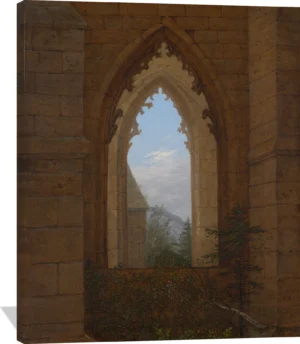
142,00 leiSelect options This product has multiple variants. The options may be chosen on the product pageGothic Windows in the Ruins of the Monastery at Oybin
Carl Gustav CarusCanvas from
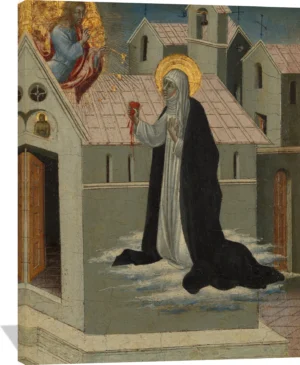
142,00 leiSelect options This product has multiple variants. The options may be chosen on the product pageSaint Catherine of Siena Exchanging Her Heart with Christ
Giovanni di Paolo (Giovanni di Paolo di Grazia)Canvas from
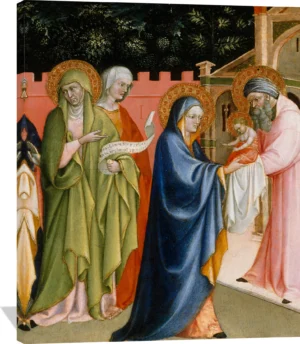
147,00 leiSelect options This product has multiple variants. The options may be chosen on the product pageThe Presentation in the Temple
Alvaro PirezCanvas from
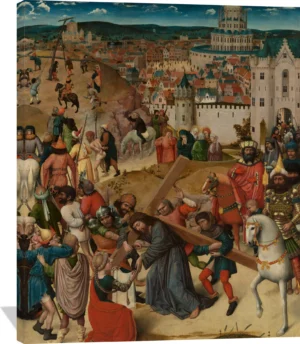
142,00 leiSelect options This product has multiple variants. The options may be chosen on the product pageChrist Bearing the Cross
North Netherlandish (Bruges) PainterCanvas from
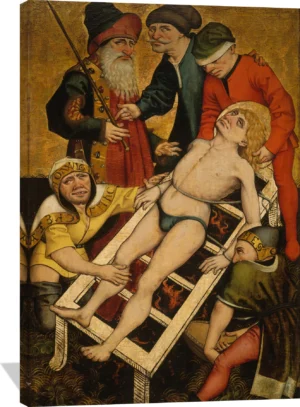
142,00 leiSelect options This product has multiple variants. The options may be chosen on the product pageThe Martyrdom of Saint Lawrence; (reverse) Giving Drink to the Thirsty
Master of the Acts of MercyCanvas from
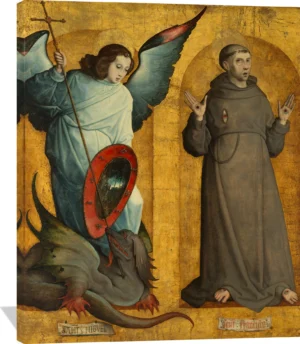
222,00 leiSelect options This product has multiple variants. The options may be chosen on the product pageSaints Michael and Francis
Juan de FlandesCanvas from
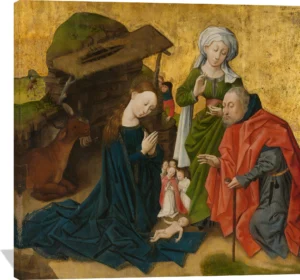
142,00 leiSelect options This product has multiple variants. The options may be chosen on the product pageThe Nativity
South Netherlandish PainterCanvas from
195,00 leiSelect options This product has multiple variants. The options may be chosen on the product pageThe Annunciation
South Netherlandish PainterCanvas from
195,00 leiSelect options This product has multiple variants. The options may be chosen on the product pageThe Crucifixion of Saint Peter with a Donor; The Legend of Saint Anthony Abbot with a Donor; The Annunciation
Northern French PainterCanvas from
147,00 leiSelect options This product has multiple variants. The options may be chosen on the product pageThe Lamentation
Petrus ChristusCanvas from
142,00 leiSelect options This product has multiple variants. The options may be chosen on the product pageThe Annunciation
Petrus ChristusCanvas from
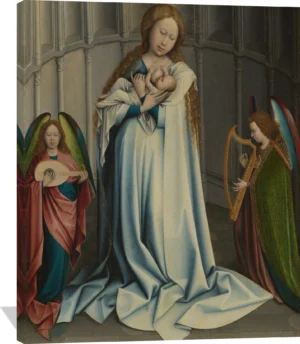
142,00 leiSelect options This product has multiple variants. The options may be chosen on the product pageVirgin and Child in an Apse
Robert CampinCanvas from
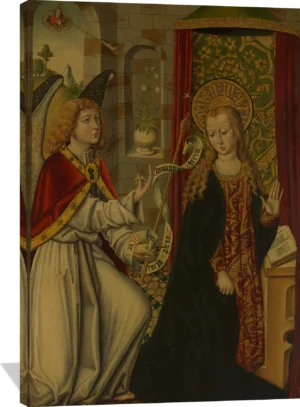
142,00 leiSelect options This product has multiple variants. The options may be chosen on the product pageThe Annunciation
Budapest MasterCanvas from
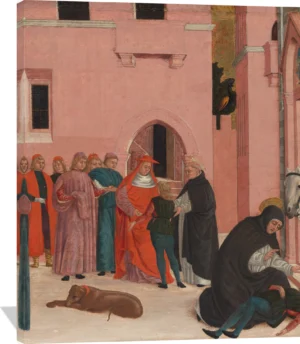
222,00 leiSelect options This product has multiple variants. The options may be chosen on the product pageSaint Dominic Resuscitating Napoleone Orsini
Bartolomeo degli ErriCanvas from
142,00 leiSelect options This product has multiple variants. The options may be chosen on the product page
Explore Religious Figures
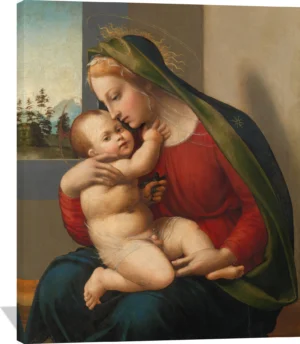
Madonna and Child
Francesco Granacci (Francesco di Andrea di Marco)Canvas from
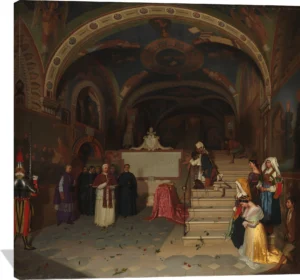
142,00 leiSelect options This product has multiple variants. The options may be chosen on the product pagePope Gregory XVI Visiting the Church of San Benedetto at Subiaco
Jean-François MontessuyCanvas from
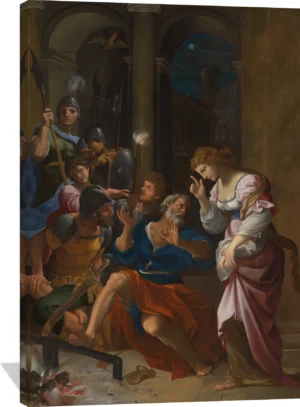
195,00 leiSelect options This product has multiple variants. The options may be chosen on the product pageThe Denial of Saint Peter
Ludovico CarracciCanvas from
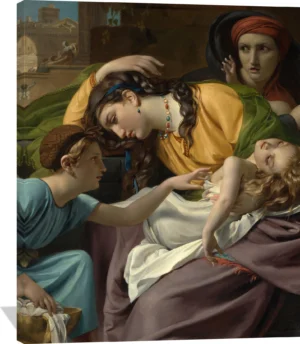
222,00 leiSelect options This product has multiple variants. The options may be chosen on the product pageThe Massacre of the Innocents
François Joseph NavezCanvas from
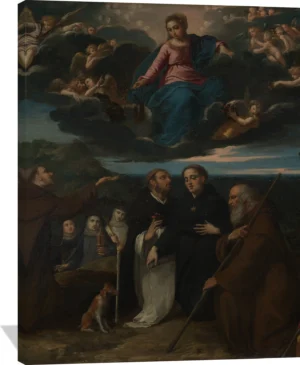
142,00 leiSelect options This product has multiple variants. The options may be chosen on the product pageThe Virgin Adored by Saints
Scarsellino (Ippolito Scarsella)Canvas from
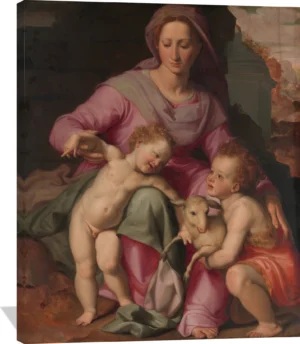
147,00 leiSelect options This product has multiple variants. The options may be chosen on the product pageMadonna and Child with the Infant Saint John the Baptist
Santi di TitoCanvas from
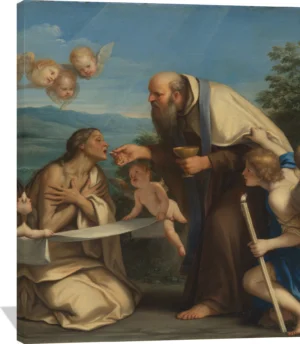
142,00 leiSelect options This product has multiple variants. The options may be chosen on the product pageThe Last Communion of Saint Mary of Egypt
Marcantonio FranceschiniCanvas from
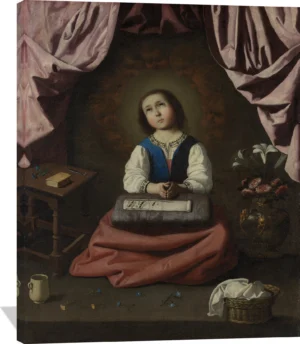
142,00 leiSelect options This product has multiple variants. The options may be chosen on the product pageThe Young Virgin
Francisco de ZurbaránCanvas from
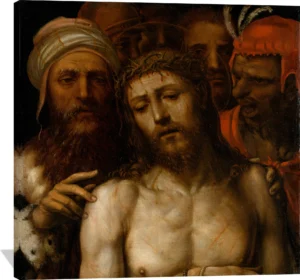
142,00 leiSelect options This product has multiple variants. The options may be chosen on the product pageChrist Presented to the People (Ecce Homo)
Sodoma (Giovanni Antonio Bazzi)Canvas from
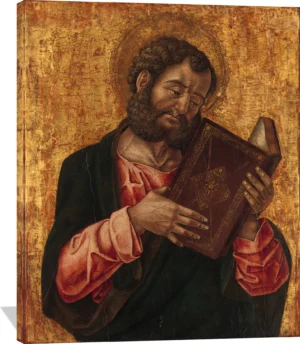
195,00 leiSelect options This product has multiple variants. The options may be chosen on the product pageA Saint (Mark?) Reading
Bartolomeo VivariniCanvas from
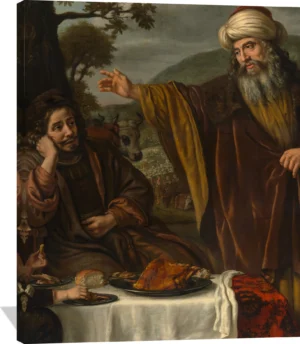
142,00 leiSelect options This product has multiple variants. The options may be chosen on the product pageAbraham’s Parting from the Family of Lot
Jan VictorsCanvas from
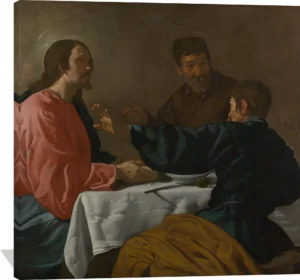
142,00 leiSelect options This product has multiple variants. The options may be chosen on the product pageThe Supper at Emmaus
Velázquez (Diego Rodríguez de Silva y Velázquez)Canvas from
195,00 leiSelect options This product has multiple variants. The options may be chosen on the product pageSaint Margaret of Cortona
Gaspare TraversiCanvas from
147,00 leiSelect options This product has multiple variants. The options may be chosen on the product pageThe Flight into Egypt
Cosmè Tura (Cosimo di Domenico di Bonaventura)Canvas from
195,00 leiSelect options This product has multiple variants. The options may be chosen on the product pageThe Investiture of Bishop Harold as Duke of Franconia
Giovanni Battista TiepoloCanvas from
147,00 leiSelect options This product has multiple variants. The options may be chosen on the product pageJudith with the Head of Holofernes
Massimo StanzioneCanvas from
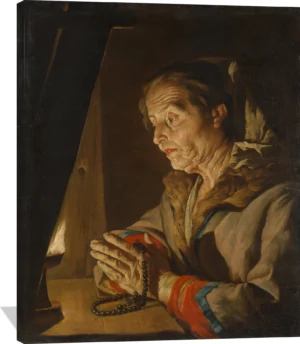
142,00 leiSelect options This product has multiple variants. The options may be chosen on the product pageOld Woman Praying
Matthias StomCanvas from
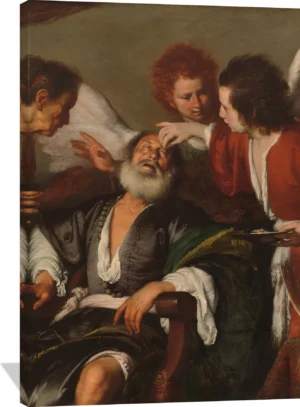
142,00 leiSelect options This product has multiple variants. The options may be chosen on the product pageTobias Curing His Father’s Blindness
Bernardo StrozziCanvas from
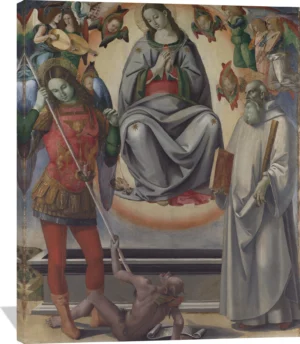
222,00 leiSelect options This product has multiple variants. The options may be chosen on the product pageThe Assumption of the Virgin with Saints Michael and Benedict
Luca SignorelliCanvas from
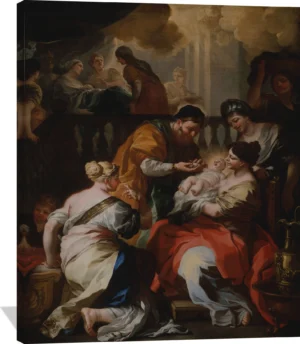
142,00 leiSelect options This product has multiple variants. The options may be chosen on the product pageThe Birth of the Virgin
Francesco SolimenaCanvas from
142,00 leiSelect options This product has multiple variants. The options may be chosen on the product pageSaint Michael the Archangel
Ignacio de RiesCanvas from
222,00 leiSelect options This product has multiple variants. The options may be chosen on the product page