Artistic Style
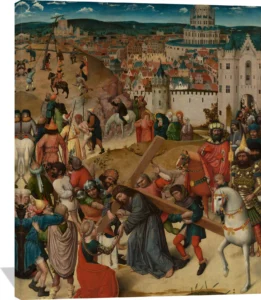
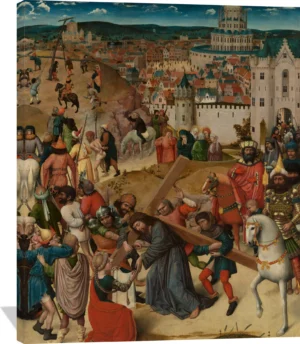
The painter’s style reflects the signature clarity and precision associated with Bruges workshops of the late fifteenth century. Smooth transitions of light, finely rendered textures, and luminous color harmonies define the artist’s approach. Figures are modeled with delicate realism, often framed by architectural settings that reveal a deep interest in spatial coherence. The result is a visual language of serenity and quiet emotional depth.
Notable Contributions
Although the artist’s name is lost, this painter’s work aligns with the influential movement shaped by contemporaries such as Hans Memling and the later legacy of Jan van Eyck. The artist contributed to the spread of devotional panel painting, a genre prized by both local patrons and international merchants. The painter’s compositions often balance intimate human expression with symbolic richness, reinforcing the spiritual function of each image.
Typical Subjects
Madonna-and-Child scenes, donor portraits, and narrative biblical episodes dominate the surviving works attributed to this hand. These subjects are rendered with a calm, contemplative character, inviting viewers into a meditative encounter. Detailed depictions of fabrics, foliage, and architectural elements demonstrate both technical mastery and a reverence for the material world as a reflection of the divine.
Cultural and Historical Significance
Active in a thriving hub of artistic exchange, the North Netherlandish (Bruges) Painter participated in shaping the visual culture that defined Northern Renaissance art. The painter’s works exemplify the region’s shift toward heightened realism and subtle emotional nuance. Through this synthesis of technical skill and spiritual intention, the artist helped articulate a mode of painting that continues to influence the understanding of Northern European art today.